

Introduction to Salt Powder Conveying: Structure and Principle Explanation
HeadPowder, a leading engineering company based in Shandong, China, specializes in the design and implementation of efficient salt powder conveying systems. This article provides a comprehensive overview of the fundamental aspects of salt powder handling, focusing on the structural design and operational principles that ensure reliable and effective material transport in industrial applications.
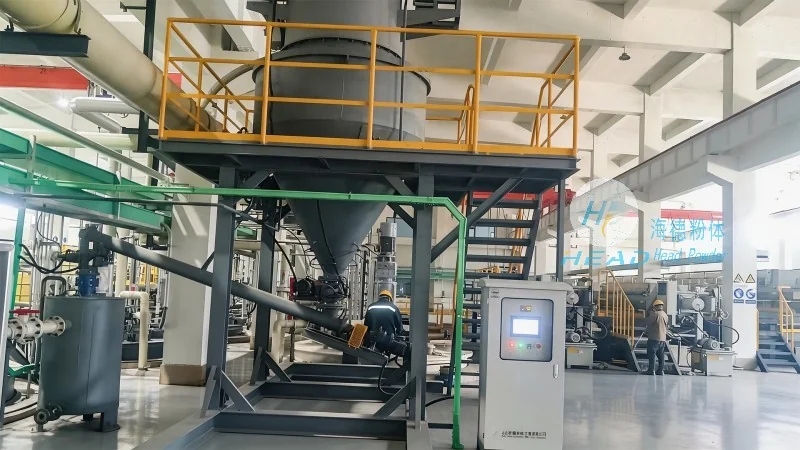
Understanding Salt Powder Properties and Conveying Challenges
Before delving into the structural and principle aspects of salt powder conveying, it is essential to understand the unique characteristics of salt as a bulk material. Salt, typically in the form of fine granules or powders, exhibits properties such as hygroscopicity, which can affect its flowability and handling. Additionally, the abrasive nature of salt particles requires specialized equipment to prevent wear and ensure long-term operational efficiency. These factors necessitate a well-engineered conveying system that addresses both material behavior and mechanical durability.
Core Components of a Salt Powder Conveying System
The structure of a typical salt powder conveying system involves several key components that work in tandem to facilitate smooth material transport. The primary components include a hopper for material storage, a feeder to control the flow rate, a conveying mechanism (such as a screw conveyor or pneumatic system), and a discharge unit for delivering the salt to the target location. Each component is designed to withstand the corrosive and abrasive effects of salt, ensuring longevity and minimal maintenance. The hopper is often equipped with a lining or coating to prevent material buildup and reduce friction, while the feeder uses adjustable speed controls to maintain consistent flow rates, preventing clogging or overloading of the conveying system.
Principle of Operation: Mechanical Conveying Systems
For mechanical conveying systems, the principle revolves around the use of mechanical force to move salt particles through a pipeline or conveyor. A common example is the screw conveyor, which utilizes a rotating screw to push material forward. The design of the screw, including its pitch and diameter, is critical in determining the conveying capacity and pressure drop. The screw conveyor is particularly effective for handling dry salt powders, as it can maintain a consistent flow without the need for air assistance. However, it is essential to ensure proper sealing to prevent dust emissions and maintain material integrity. The mechanical system also includes a drive unit, typically an electric motor, that provides the necessary torque to rotate the screw, and a support structure to maintain alignment and stability.
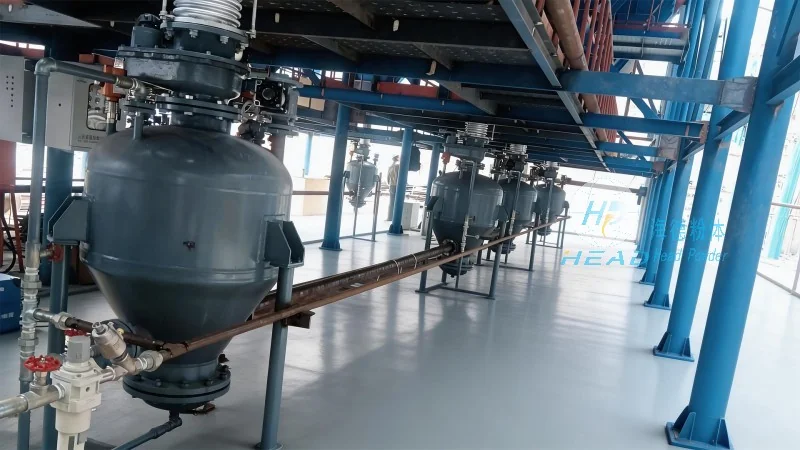
Principle of Operation: Pneumatic Conveying Systems
Pneumatic conveying systems, on the other hand, rely on the movement of air or gas to transport salt particles. These systems are often preferred for applications requiring long-distance transport or where dust control is a priority. The principle involves creating a pressure differential between the inlet and outlet of the system, using a blower or compressor to generate airflow. The salt particles are then entrained in the air stream and carried through the pipeline. The design of the pneumatic system includes a hopper with an airlock to prevent material spillage, a filter to remove dust from the exhaust air, and a control valve to regulate the airflow. The choice between positive and negative pressure systems depends on the specific application, with positive pressure systems being suitable for short-distance transport and negative pressure systems for longer distances or where dust containment is critical.
Structural Design Considerations for Salt Powder Conveying
The structural design of a salt powder conveying system must address several key considerations to ensure optimal performance and longevity. Material selection is a critical factor, as components must be resistant to corrosion and abrasion from salt particles. Stainless steel, for example, is commonly used for hoppers, feeders, and conveying pipes due to its durability and resistance to chemical attack. The design also includes features such as smooth internal surfaces to minimize friction and prevent material buildup, which can lead to blockages or uneven flow. Additionally, the system is often equipped with inspection ports and access panels to facilitate maintenance and cleaning, ensuring that the equipment remains in good working condition over time.
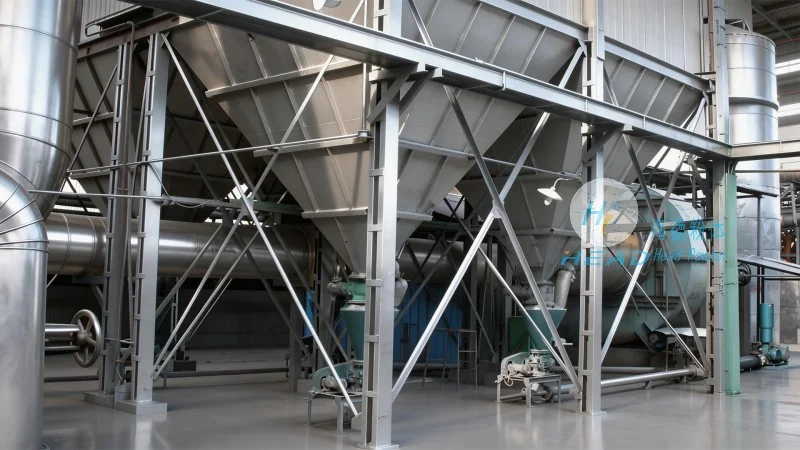
Integration of Control Systems for Efficient Operation
Modern salt powder conveying systems incorporate advanced control systems to enhance operational efficiency and reliability. These systems typically include sensors to monitor flow rates, pressure, and temperature, providing real-time data to operators. The control panel may include adjustable settings for flow rate, speed, and pressure, allowing for precise control of the conveying process. Automated controls can also be implemented to adjust parameters based on material conditions or system performance, ensuring consistent operation and minimizing downtime. The integration of these control systems not only improves efficiency but also enhances safety by preventing overloading or excessive pressure in the system.
Case Study: HeadPowder's Salt Powder Conveying Solutions
HeadPowder Engineering Co., Ltd., based in Shandong, China, has extensive experience in designing and implementing salt powder conveying systems tailored to specific industrial needs. The company's solutions are engineered to address the unique challenges of salt handling, including material flow control, equipment durability, and operational efficiency. For example, a recent project involved the installation of a screw conveyor system for a salt processing plant, where the system was designed to handle fine salt powders with high flow rates while minimizing wear on the components. The system included a stainless steel hopper with a pneumatic feeder, a screw conveyor with a variable speed drive, and a discharge unit with a dust collection system. The result was a reliable and efficient conveying solution that met the client's production requirements and reduced maintenance costs.
Conclusion: Ensuring Reliable Salt Powder Conveying
In conclusion, the effective design and operation of salt powder conveying systems require a comprehensive understanding of both the material properties and the structural and principle aspects of the equipment. HeadPowder Engineering Co., Ltd. leverages its expertise in engineering and material science to provide customized solutions that address the specific needs of industrial applications. By focusing on structural integrity, operational efficiency, and advanced control systems, the company ensures that its salt powder conveying systems deliver reliable performance and long-term value to its clients. Whether using mechanical or pneumatic systems, the key to successful salt powder handling lies in the integration of robust design, proper material selection, and efficient control mechanisms.