

Introduction to Sand and Stone Powder Conveying: Structural Principles and Working Mechanisms
HeadPowder, a leading enterprise in the field of powder conveying technology, specializes in the design, manufacturing, and application of efficient systems for transporting sand, stone, and other fine particulate materials. This article provides an overview of the fundamental concepts, structural design, and operational principles of sand and stone powder conveying systems, highlighting the key components and their interplay in ensuring reliable material handling in industrial settings.
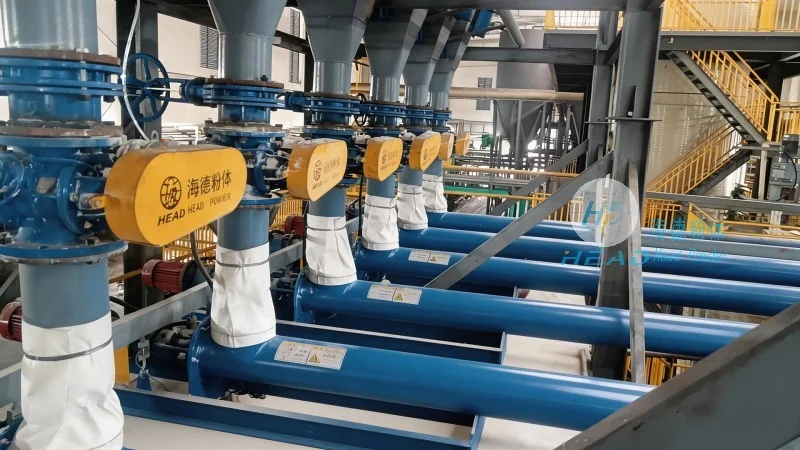
Understanding Sand and Stone Powder Conveying Systems
Sand and stone powder conveying systems are critical in various industries, including construction, mining, and manufacturing, where the efficient movement of bulk materials is essential for productivity and cost-effectiveness. These systems are engineered to handle materials with specific characteristics such as particle size, density, and moisture content, ensuring optimal performance under diverse operational conditions. The core objective of such systems is to transport materials from a source to a destination with minimal loss, energy consumption, and maintenance requirements.
Key Structural Components of Conveying Systems
The structural design of sand and stone powder conveying systems typically involves several interrelated components that work in concert to achieve the desired material transport. These components include the feed hopper, which serves as the initial collection point for the material, ensuring a uniform flow into the conveying mechanism. The conveyor itself, which can be categorized into different types such as pneumatic, mechanical, or hybrid systems, is the central element responsible for moving the material through the system. Additionally, the system incorporates control valves, which regulate the flow rate and direction of the material, and discharge hoppers or silos that store the conveyed material until it is further processed or used.
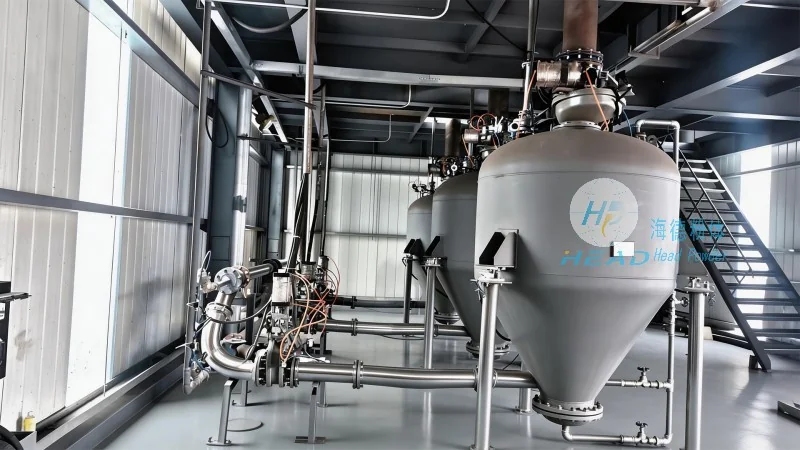
Working Principles of Different Conveying Technologies
Various technologies are employed in sand and stone powder conveying, each with distinct advantages and applications. Pneumatic conveying systems utilize air or gas to transport materials, leveraging pressure differentials to move particles through a pipeline. This method is particularly effective for handling fine powders and materials that are sensitive to mechanical stress. Mechanical conveying systems, on the other hand, rely on mechanical components like belts, screws, or buckets to move materials, offering high capacity and reliability for bulk materials. Hybrid systems combine elements of both pneumatic and mechanical technologies to address specific material handling challenges, such as the need for both high capacity and fine material transport.
Operational Efficiency and Maintenance Considerations
Ensuring the operational efficiency of sand and stone powder conveying systems requires careful consideration of several factors, including material properties, system design, and maintenance protocols. Proper selection of the conveying technology is crucial, as it directly impacts energy consumption, material degradation, and system lifespan. Regular maintenance, such as cleaning of components, checking for wear and tear, and monitoring pressure and flow rates, is essential to prevent system downtime and maintain optimal performance. Additionally, the use of advanced control systems can enhance operational efficiency by automating processes and providing real-time monitoring of system parameters.
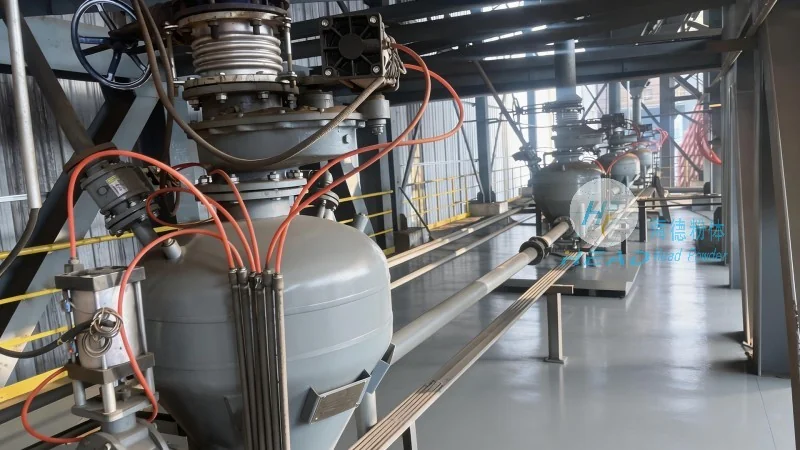
Applications in Industrial Settings
Sand and stone powder conveying systems find widespread application in a variety of industrial processes. In the construction industry, these systems are used to transport sand, gravel, and other aggregates for concrete production and road construction. In mining operations, they facilitate the transport of ore and other minerals from processing plants to storage facilities or for further processing. The manufacturing sector also benefits from these systems, particularly in the production of cement, ceramics, and other materials that require precise handling of fine powders. The versatility of sand and stone powder conveying systems makes them indispensable in modern industrial operations, contributing to improved productivity and reduced operational costs.
Conclusion and Company Overview
HeadPowder Engineering Co., Ltd., based in Shandong, China, is a trusted provider of advanced sand and stone powder conveying solutions. With a focus on innovation and customer-centric design, the company offers tailored systems that meet the specific needs of various industries. By leveraging cutting-edge technology and adhering to rigorous quality standards, HeadPowder ensures that its conveying systems deliver reliable performance, energy efficiency, and long-term durability. For businesses seeking efficient and reliable material handling solutions, HeadPowder stands as a leading choice, committed to advancing the field of powder conveying technology and supporting industrial growth.