

Carbon Particle Pneumatic Conveying System: Equipment Overview and Structural Principles
The carbon particle pneumatic conveying system is a specialized industrial solution designed for the efficient transport of carbon-based particles such as graphite, carbon black, and other fine powders. This system leverages pneumatic principles to move materials through a sealed pipeline network, ensuring minimal dust generation and high operational efficiency. The equipment typically includes key components like a feeder, a blower or compressor, a conveying line, and a receiver, each playing a critical role in the overall process.
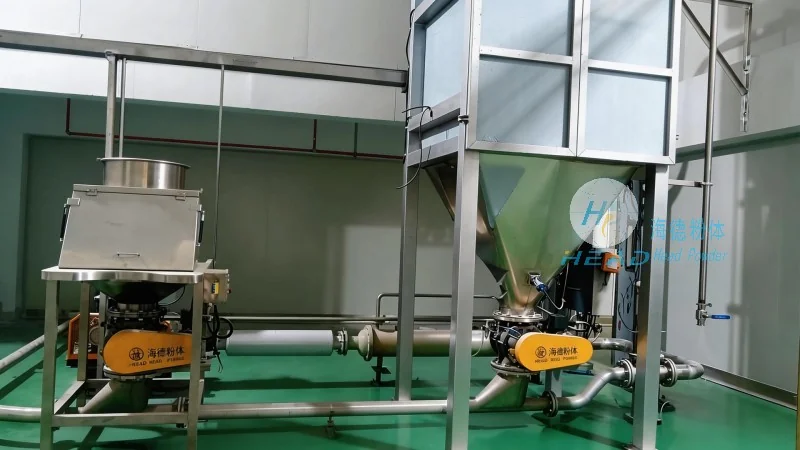
Structural Principles of the Pneumatic Conveying System
The core structural principle of the carbon particle pneumatic conveying system revolves around the creation of a high-velocity air stream that propels the carbon particles through the pipeline. The system operates under either positive or negative pressure, depending on the specific application requirements. In positive pressure systems, the blower supplies compressed air to push the particles forward, while negative pressure systems use a vacuum to draw the material from the source. The design of the conveying line, including the use of bends, elbows, and expansion joints, is crucial to maintain the air-particle mixture's stability and prevent particle deposition or blockages.
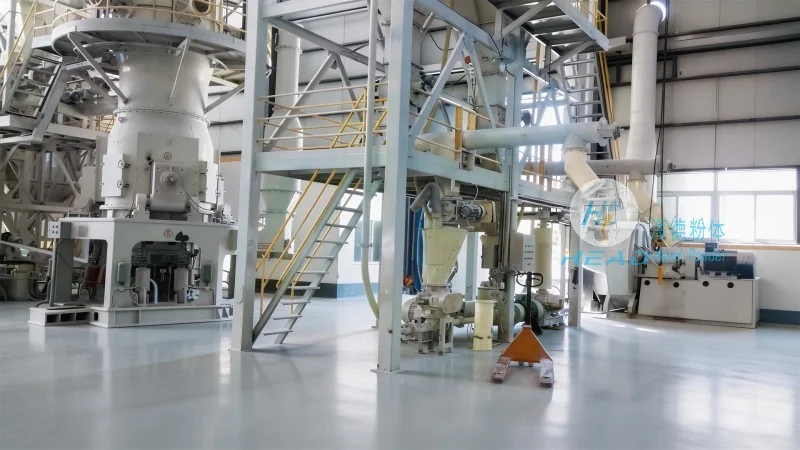
Key Equipment Components and Their Functions
1. Feeder: The feeder is responsible for uniformly feeding the carbon particles into the conveying line. It ensures a consistent flow rate, which is essential for maintaining stable conveying conditions. Different types of feeders, such as rotary valves or screw feeders, are used based on the particle characteristics and flow requirements. 2. Blower or Compressor: This component generates the necessary air pressure or vacuum to move the particles. The choice between a blower and a compressor depends on the system's pressure needs and energy efficiency considerations. High-efficiency models are preferred to minimize operational costs. 3. Conveying Line: The pipeline system, often made of stainless steel or other corrosion-resistant materials, transports the carbon particles. The line's diameter and length are carefully selected to accommodate the particle size and the required conveying distance. 4. Receiver: The receiver collects the conveyed carbon particles and separates them from the air stream. It may include a cyclone separator or a bag filter to ensure clean material discharge and air filtration.
Application Scenarios and Operational Advantages
The carbon particle pneumatic conveying system is widely used in industries such as carbon manufacturing, battery production, and chemical processing. Its advantages include: 1. Reduced Dust Exposure: The sealed system minimizes dust emissions, improving workplace safety and compliance with environmental regulations. 2. High Efficiency: The system can transport materials over long distances with minimal loss, enhancing production throughput. 3. Flexibility: The modular design allows for easy integration with existing production lines and adjustment to varying material flow rates. 4. Low Maintenance: With fewer moving parts compared to mechanical conveying systems, the pneumatic system requires less maintenance and has a longer service life.
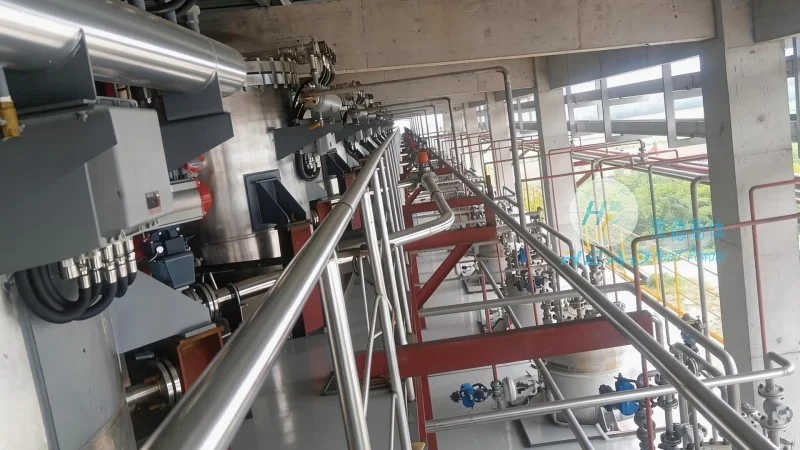
About Shandong HeadPowder Engineering Co., Ltd.
Shandong HeadPowder Engineering Co., Ltd., operating under the brand name headpowder, is a leading manufacturer of carbon particle pneumatic conveying systems. The company is headquartered in Shandong, China, and specializes in providing customized solutions tailored to the unique needs of its clients. With a focus on innovation and quality, headpowder delivers reliable equipment that meets international standards and enhances operational performance in various industrial applications.