

Operation Process and Working Principle of Pneumatic Conveying Equipment for Carbon Black and Coal P
For industrial applications involving the transport of carbon black and coal powder, efficient material handling is crucial. Pneumatic conveying equipment, specifically designed for such particulate materials, offers a reliable solution. This article explores the operation process and working principle of such equipment, highlighting the technical aspects and practical implementation by Shandong HeadPowder Engineering Co., Ltd., a leading provider in this field.
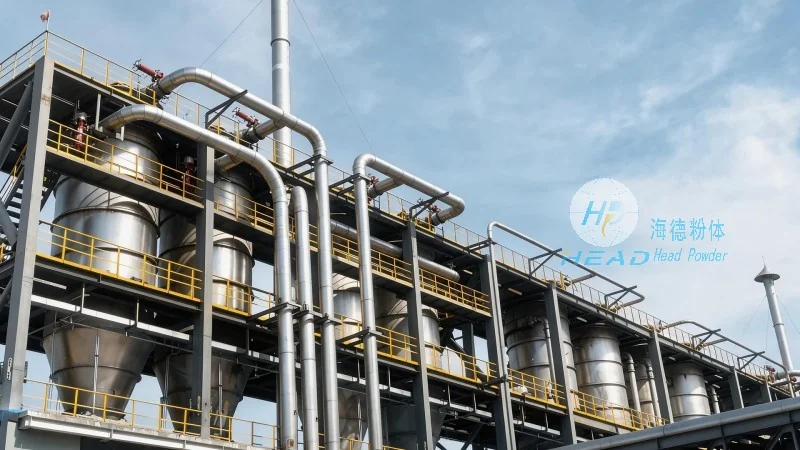
Introduction to Pneumatic Conveying Systems for Carbon Black and Coal Powder
Pneumatic conveying systems are widely used in industries dealing with fine powders like carbon black and coal powder due to their ability to transport materials without mechanical contact. These systems utilize air or gas as the conveying medium, enabling the movement of bulk materials over long distances with minimal loss and contamination. The design and operation of such systems are tailored to handle the specific properties of carbon black and coal powder, ensuring optimal performance and safety.
About Shandong HeadPowder Engineering Co., Ltd.
Shandong HeadPowder Engineering Co., Ltd., commonly known as HeadPowder, is a professional manufacturer and supplier of pneumatic conveying equipment. With headquarters in Shandong, China, the company specializes in developing customized solutions for various industrial applications. HeadPowder's expertise lies in designing systems that meet the unique requirements of carbon black and coal powder industries, focusing on efficiency, durability, and environmental compliance.
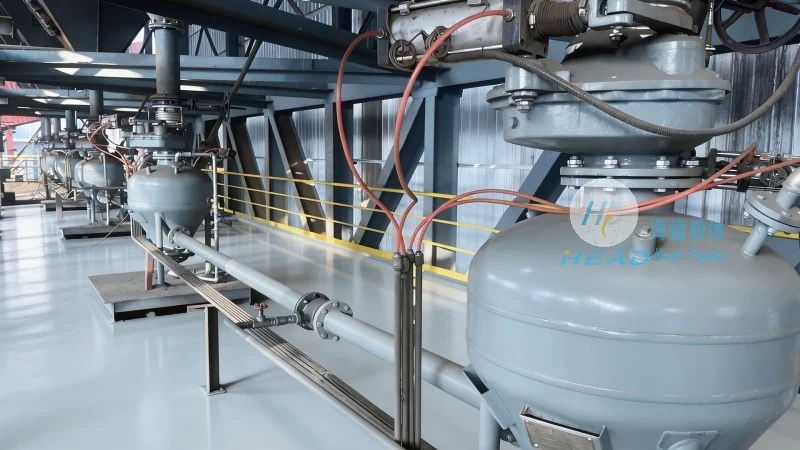
Basic Components of the Pneumatic Conveying System
The pneumatic conveying system for carbon black and coal powder typically consists of several key components. These include the material hopper or feeder, which stores and meters the powder; the air compressor or vacuum pump that generates the conveying air; the pipeline network that transports the material; and the discharge unit where the material is released. Each component plays a critical role in ensuring the smooth operation of the system.
Operation Process of the Pneumatic Conveying Equipment
The operation process of the pneumatic conveying equipment for carbon black and coal powder involves several sequential steps. Initially, the material is fed from the hopper into the conveying line. Simultaneously, the air compressor supplies compressed air into the pipeline. The air and material mix in the pipeline, forming a two-phase flow. As the mixture travels through the pipeline, the air propels the material to the destination. At the discharge point, the material is separated from the air, often using a cyclone separator or filter, and collected in a receiving hopper. The system then returns the air to the compressor or releases it to the atmosphere, depending on the design.
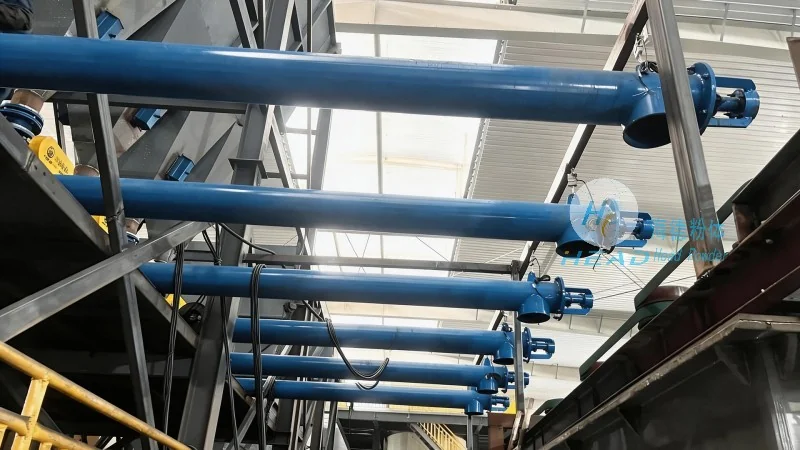
Working Principle of the Pneumatic Conveying System
The working principle of the pneumatic conveying system is based on the principles of fluid dynamics and particle motion. In a positive pressure system, compressed air is introduced into the material hopper, creating a pressure differential that lifts the material and pushes it through the pipeline. The air velocity in the pipeline is maintained above the minimum conveying velocity to prevent material settling. In a negative pressure (or vacuum) system, a vacuum pump creates a low pressure in the pipeline, drawing the material from the hopper and transporting it to the discharge point. The choice between positive and negative pressure systems depends on factors such as material properties, distance, and system layout.
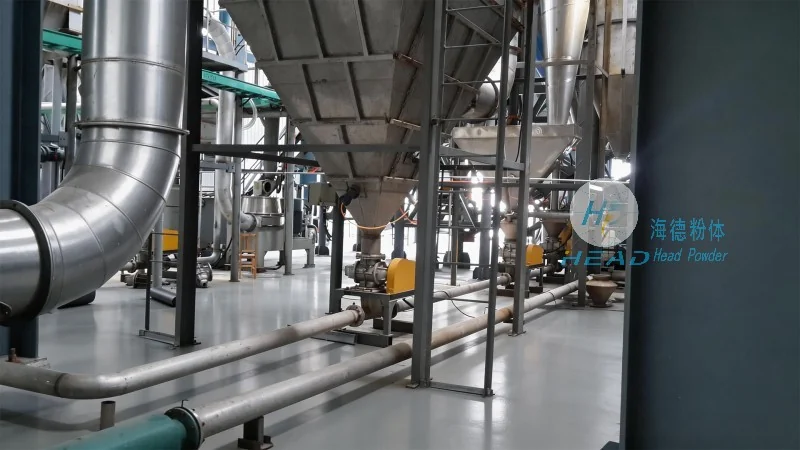
Technical Advantages and Considerations
Pneumatic conveying systems offer several advantages when handling carbon black and coal powder. These include high transport efficiency, the ability to handle fine powders without segregation, and reduced risk of material contamination. Additionally, the systems can be designed to operate in closed loops, minimizing dust emissions and improving environmental safety. However, the design must consider factors like material moisture content, particle size distribution, and pipeline length to ensure optimal performance. Proper maintenance and monitoring of the system components are also essential to prevent downtime and ensure long-term reliability.
Application Examples and Industry Impact
The pneumatic conveying equipment manufactured by Shandong HeadPowder Engineering Co., Ltd. is widely used in various industrial sectors, including chemical, mining, and power generation. In the carbon black industry, these systems are crucial for transporting raw materials and finished products, ensuring consistent quality and reducing handling costs. Similarly, in coal processing facilities, the equipment facilitates the transport of coal powder for combustion or further processing. The reliable operation of these systems contributes to improved productivity and operational efficiency in industrial plants.