

The Operation Process and Working Principle of Quartz Sand Powder Material Pneumatic Conveying
Shandong HeadPowder Engineering Co., Ltd., a professional manufacturer based in Shandong, China, specializes in providing advanced solutions for material handling, particularly in the field of pneumatic conveying systems for quartz sand powder and similar bulk materials.
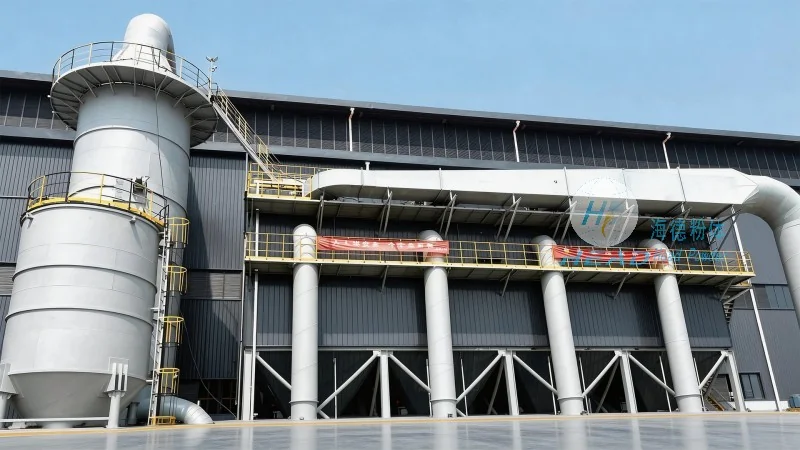
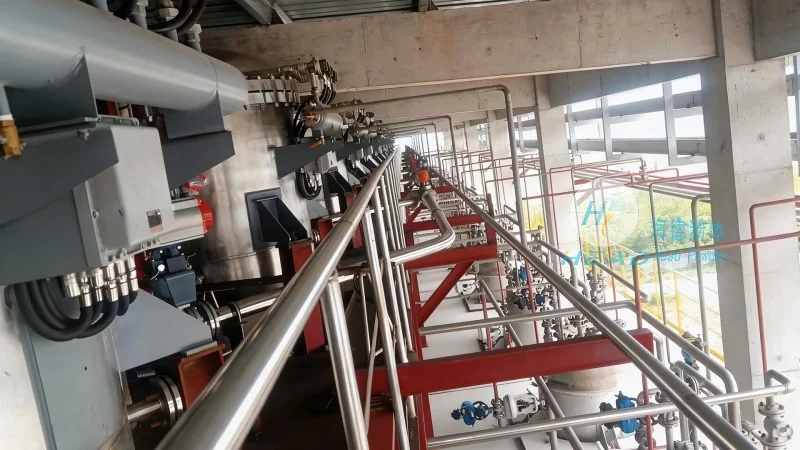
Pneumatic Conveying Systems for Quartz Sand Powder
Our company, HeadPowder, offers sophisticated pneumatic conveying systems designed specifically for the efficient transport of quartz sand powder. These systems are engineered to handle the unique characteristics of quartz sand, such as its fine particle size and abrasive nature, ensuring reliable and consistent material transfer in industrial applications.
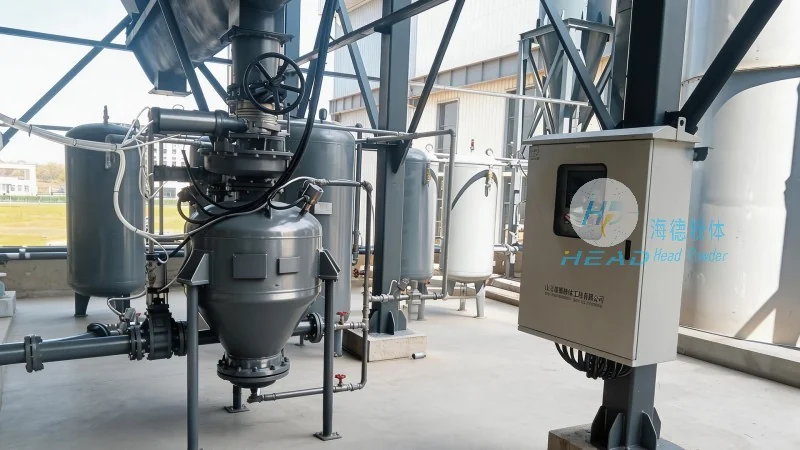
The Operation Process of Quartz Sand Powder Pneumatic Conveying
The operation of a quartz sand powder pneumatic conveying system involves several key steps. Initially, the quartz sand powder is fed into the system, typically from a hopper or storage silo. The material is then drawn into the conveying line by a vacuum or pressure source, depending on the system design. As the powder moves through the pipeline, it is propelled by a combination of air flow and mechanical components, such as rotary valves or airlocks, which regulate the flow rate and prevent blockages. The conveying process continues until the material reaches its destination, such as a processing unit or storage container. Throughout this process, the system maintains optimal air pressure and flow rates to ensure the efficient and safe transport of the quartz sand powder.
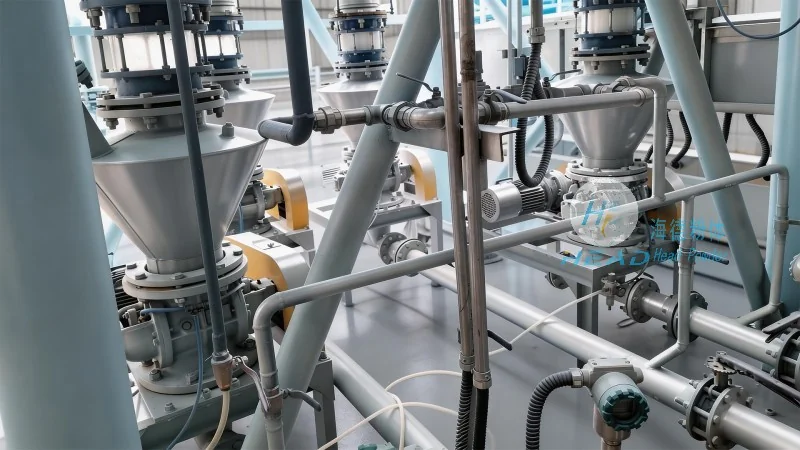
The Working Principle of Quartz Sand Powder Pneumatic Conveying
The working principle of a quartz sand powder pneumatic conveying system is based on the fundamental concept of transporting bulk materials using air as the conveying medium. In a typical system, the quartz sand powder is suspended in a stream of air, which carries the particles through the pipeline. The system utilizes either vacuum or pressure to create the necessary airflow. Vacuum systems create a negative pressure in the pipeline, drawing the powder from the source to the destination. Pressure systems, on the other hand, generate positive pressure to push the material through the pipeline. The design of the system, including the type of airlock, rotary valve, and pipeline configuration, is crucial in determining the efficiency and effectiveness of the conveying process. The system also incorporates filtration and separation components to maintain air quality and prevent dust accumulation, ensuring compliance with industrial standards and operational safety.