

Operation Process and Working Principle of Sawdust and Wood Flakes Powder Pneumatic Conveying Line
HeadPowder, a leading manufacturer in the field of material handling systems, specializes in the design, production, and installation of advanced pneumatic conveying lines for various industrial applications. This article provides a detailed overview of the operation process and working principle of a sawdust and wood flakes powder pneumatic conveying line, highlighting the key components, operational steps, and technical aspects that ensure efficient and reliable material transport.
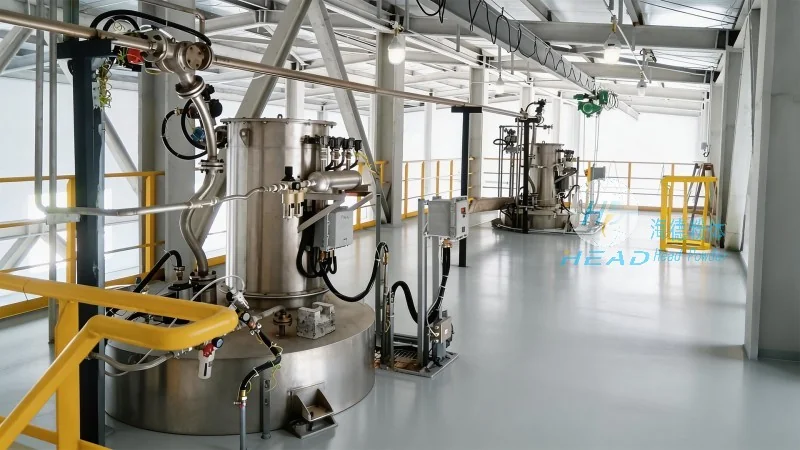
Introduction to Pneumatic Conveying Systems
Pneumatic conveying systems are widely used in industries such as woodworking, agriculture, and food processing to transport bulk materials like sawdust, wood flakes, and other fine powders. These systems utilize air or gas as the conveying medium to move materials from one location to another, offering advantages over traditional mechanical conveying methods, including reduced equipment wear, lower maintenance costs, and the ability to handle materials in a dust-free environment.
Key Components of a Sawdust and Wood Flakes Pneumatic Conveying Line
The sawdust and wood flakes powder pneumatic conveying line typically consists of several critical components that work in tandem to achieve efficient material transport. These components include:
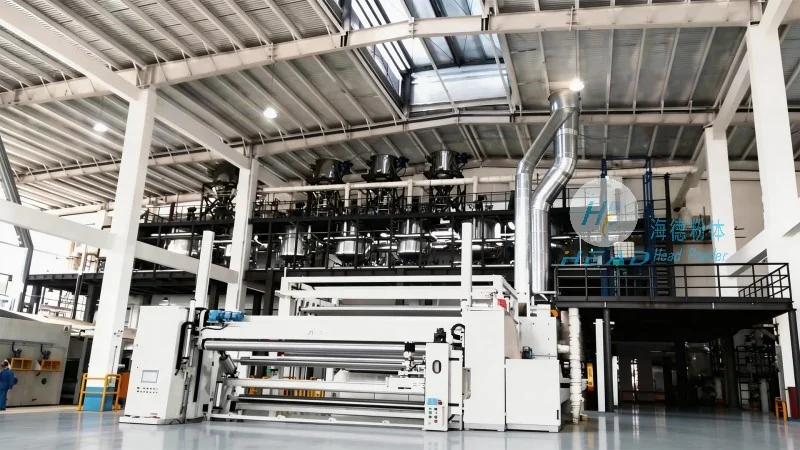
- Material Hopper: A storage container that holds the sawdust and wood flakes, providing a consistent feed to the conveying system. The hopper is designed with a sloped bottom to facilitate material flow and often includes a feeder mechanism, such as a rotary valve or screw feeder, to regulate the discharge rate.
- Conveying Pipeline: A network of pipes that transports the material using air or gas. The pipeline is usually made of stainless steel or other corrosion-resistant materials to withstand the abrasive nature of sawdust and wood flakes. The diameter and length of the pipeline are carefully selected based on the material's properties, flow rate, and system pressure.
- Air Supply System: This component generates and supplies the necessary air or gas pressure to move the material through the pipeline. It typically includes a blower or compressor, a filter to remove contaminants from the air, and a pressure regulator to maintain consistent pressure levels.
- Control System: An automated control system that monitors and regulates the operation of the conveying line. This system may include sensors to detect material levels in the hopper, pressure sensors to monitor pipeline conditions, and control valves to adjust air flow and material feed rates.
- Receiving Hopper or Discharge Point: The final component where the material is deposited. This may be a storage hopper, a processing unit, or a delivery point, depending on the application.
Working Principle of the Pneumatic Conveying Line
The operation of the sawdust and wood flakes powder pneumatic conveying line follows a systematic process, which can be broken down into the following steps:
- Material Loading: Sawdust and wood flakes are loaded into the material hopper. The hopper is designed to accommodate the bulk material and ensure a uniform feed. The feeder mechanism, such as a rotary valve, controls the discharge rate, preventing overloading or underloading of the conveying system.
- Air Compression and Supply: The air supply system, including the blower or compressor, generates the required air pressure. The air is filtered to remove dust and other particles, ensuring clean and efficient operation. The pressure regulator maintains a consistent pressure level, which is crucial for stable material transport.
- Material Conveying: The feeder mechanism releases the material into the pipeline, where it is entrained by the high-velocity air flow. The air and material mixture travels through the pipeline, with the material being suspended and transported to the receiving hopper or discharge point. The pipeline design, including bends and elbows, is optimized to minimize pressure loss and maintain material flow.
- Material Discharge: At the receiving hopper or discharge point, the material is separated from the air. This is typically achieved through a cyclone separator or a filter, which captures the material and returns it to the system or deposits it as required. The air is then filtered and recirculated back to the blower or compressor, completing the cycle.
Operation Process of the System
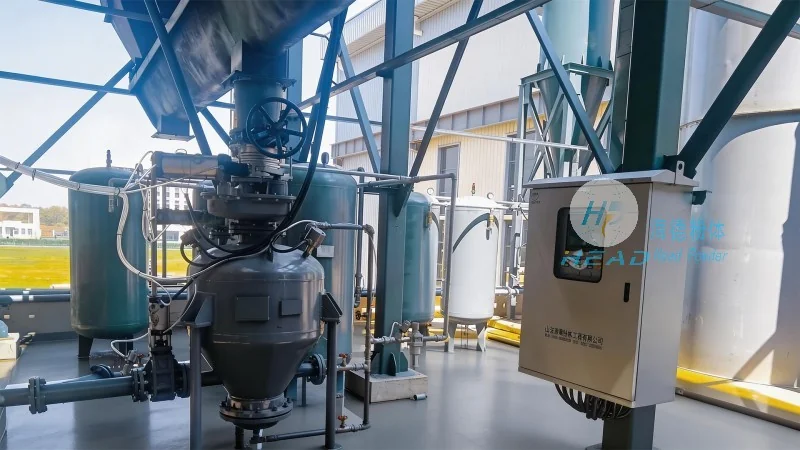
The operation process of the sawdust and wood flakes powder pneumatic conveying line is automated and controlled by the system's control panel. The operator can monitor the system's performance through the control system, which displays real-time data on material levels, pressure, and flow rates. The control system can also be programmed to adjust the feed rate and air pressure based on the material's properties and the system's load, ensuring optimal operation.
Benefits and Applications
The sawdust and wood flakes powder pneumatic conveying line offers several benefits, including:
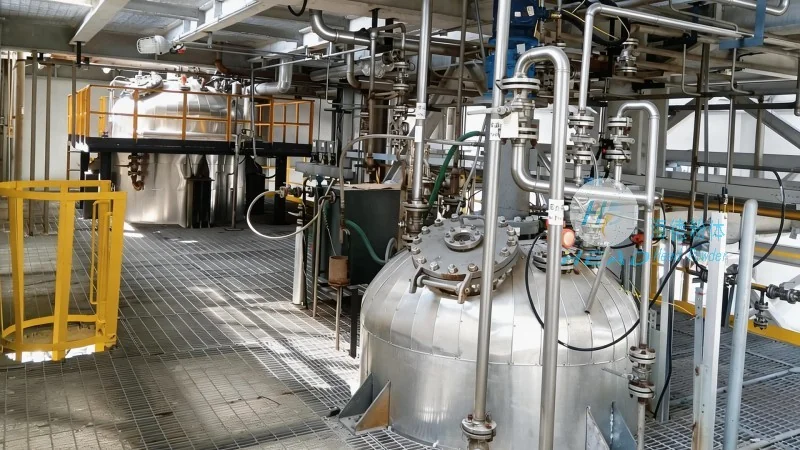
- Efficient Material Transport: The system provides a high-capacity and continuous transport of sawdust and wood flakes, reducing labor costs and increasing production efficiency.
- Dust-Free Environment: The enclosed pipeline and filtration system prevent dust from being released into the workplace, improving air quality and reducing health hazards.
- Reduced Maintenance: Compared to mechanical conveying systems, pneumatic conveying lines have fewer moving parts, resulting in lower maintenance costs and longer equipment life.
- Flexibility: The system can be easily modified or expanded to accommodate changes in production requirements or material types.
These systems are widely used in the woodworking industry for transporting sawdust from sawmills to storage facilities or processing units. They are also used in the production of wood-based panels, such as particleboard and fiberboard, where sawdust and wood flakes are used as raw materials.
Conclusion
HeadPowder's sawdust and wood flakes powder pneumatic conveying line is a reliable and efficient solution for material handling in the woodworking and related industries. By understanding the operation process and working principle of this system, users can optimize its performance and ensure consistent material transport. With its advanced design and components, this system provides a cost-effective and sustainable solution for bulk material handling, supporting the growth and efficiency of industrial operations.