

Operation Process and Working Principle of Cement Auxiliary Powder Pneumatic Conveying Line
HeadPowder, a leading provider in the field of bulk material handling solutions, specializes in the design, manufacturing, and installation of advanced pneumatic conveying systems tailored for the cement industry. This article delves into the operational workflow and technical principles behind the cement auxiliary powder pneumatic conveying line, offering insights into how these systems efficiently transport materials like limestone, which serves as a primary raw material, and gypsum, used to regulate the setting time of cement. The efficiency of the conveying process directly impacts the overall productivity and quality of cement manufacturing.
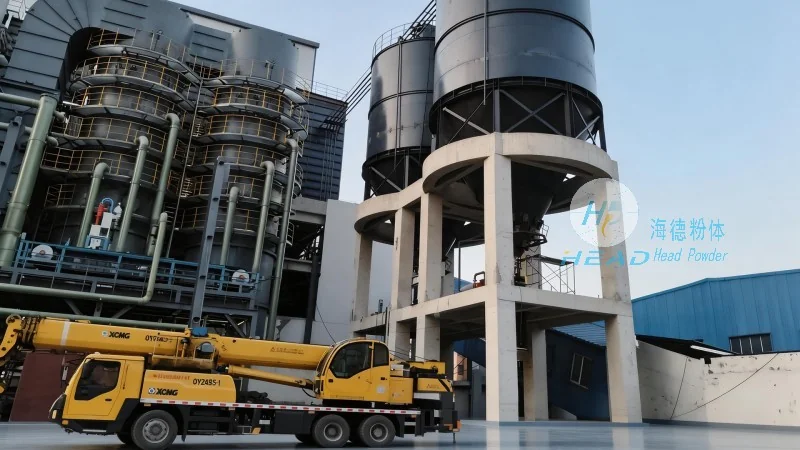
Company Overview and Expertise
Shandong HeadPowder Engineering Co., Ltd., commonly known as HeadPowder, is headquartered in Shandong, China. With a strong focus on innovation and precision engineering, the company has established itself as a trusted partner for businesses seeking reliable and efficient material handling solutions. HeadPowder's expertise lies in developing customized pneumatic conveying systems that meet the specific demands of the cement industry, ensuring optimal performance and durability in challenging operational environments.
Understanding Pneumatic Conveying Systems
Pneumatic conveying lines utilize air or gas as the medium to transport bulk materials from one location to another. In the context of cement production, these systems are crucial for handling auxiliary powders such as limestone, which serves as a primary raw material, and gypsum, used to regulate the setting time of cement. The efficiency of the conveying process directly impacts the overall productivity and quality of cement manufacturing.
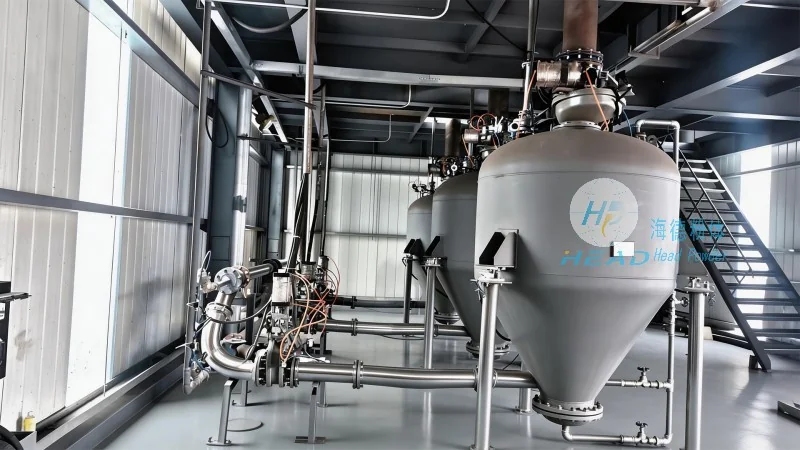
The Operational Workflow of the Cement Auxiliary Powder Pneumatic Conveying Line
The operation of a cement auxiliary powder pneumatic conveying line involves several key stages, each designed to ensure smooth and continuous material transport. The process begins with the feeding of the auxiliary powder into the hopper or storage silo. From there, the material is drawn into the conveying line by a vacuum or pressure system, depending on the specific design of the system. The air or gas, typically generated by a blower or compressor, creates a flow that propels the powder through the pipeline. As the material travels, it passes through various components, including bends, filters, and control valves, which help maintain the integrity of the material and regulate the flow rate.
Key Components and Their Functions
Several critical components contribute to the effective operation of the pneumatic conveying line. The hopper or silo acts as the primary storage and feeding unit, ensuring a consistent supply of material. The blower or compressor provides the necessary air pressure or vacuum to move the powder. The pipeline system, made from durable materials like stainless steel or plastic, is designed to withstand the abrasive nature of cement powders and maintain airtight seals to prevent material leakage. Additionally, filters and cyclones are used to separate the powder from the air, ensuring that the material reaches its destination without contamination and that the air is cleaned before being released back into the environment.
Working Principle: How It Transforms Material Handling
The working principle of the cement auxiliary powder pneumatic conveying line is based on the principles of fluid dynamics and particle motion. When the air is introduced into the pipeline, it creates a low-pressure zone that draws the powder particles into the flow. The velocity of the air is carefully controlled to ensure that the powder particles are fully entrained and transported without settling or clogging the system. The design of the pipeline, including the angle and curvature of bends, is optimized to minimize pressure losses and maintain a consistent flow rate. This ensures that the material is delivered to the target location, such as a mixer or storage silo, with minimal loss and maximum efficiency.
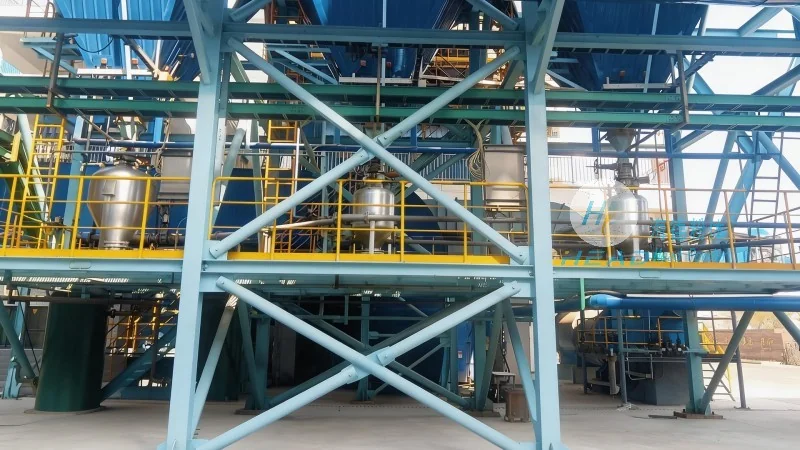
Benefits and Advantages for Cement Manufacturers
Implementing a pneumatic conveying system for cement auxiliary powders offers numerous benefits to manufacturers. Firstly, it significantly improves operational efficiency by automating the material handling process, reducing the need for manual labor and minimizing the risk of material spillage or contamination. Secondly, the system enhances product quality by ensuring consistent and uniform mixing of the auxiliary powders with the cement base, leading to more stable and reliable cement products. Thirdly, the compact design of the system saves valuable space in the production facility, making it ideal for both new and existing plants. Finally, the durability and low maintenance requirements of the pneumatic conveying line contribute to long-term cost savings and operational reliability.
Conclusion: The Role of HeadPowder in Cement Material Handling
As a leading provider of pneumatic conveying solutions, HeadPowder plays a vital role in helping cement manufacturers optimize their material handling processes. By leveraging advanced engineering and customized system designs, HeadPowder ensures that cement auxiliary powder pneumatic conveying lines operate efficiently, reliably, and safely. The company's commitment to quality and innovation has made it a trusted partner for businesses seeking to enhance their production capabilities and improve overall operational performance. With its headquarters in Shandong, China, HeadPowder continues to deliver cutting-edge solutions that meet the evolving needs of the cement industry.