

Operation Process and Working Principle of Pharmaceutical Powder Pneumatic Conveying Systems
Pharmaceutical powder pneumatic conveying systems are critical in the pharmaceutical industry for the safe, efficient, and hygienic transport of powders. These systems are designed to handle sensitive materials while maintaining compliance with stringent regulatory standards. Understanding the operation process and working principles of such systems is essential for optimizing performance and ensuring product quality.
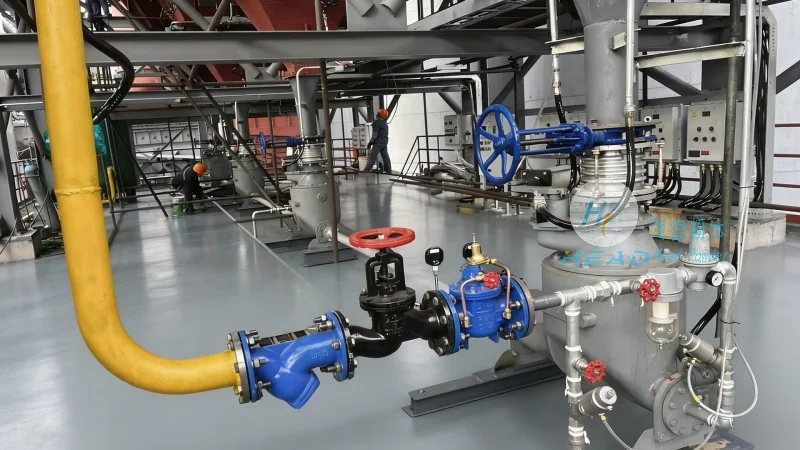
Overview of Pharmaceutical Powder Pneumatic Conveying Systems
Pharmaceutical powder pneumatic conveying systems utilize air or gas to transport bulk powders through a network of pipes and components. This method offers advantages over traditional mechanical conveying, including reduced contamination risk, improved material handling flexibility, and the ability to handle a wide range of powder characteristics. The systems are typically categorized into two main types: dilute-phase and dense-phase conveying, each with distinct operational characteristics and applications.
The Operation Process of Pharmaceutical Powder Pneumatic Conveying
The operation process of a pharmaceutical powder pneumatic conveying system involves several key steps. First, the powder is loaded into a hopper or feeder, where it is prepared for transport. The system then uses a blower or compressor to generate the necessary air flow, which creates a pressure differential to move the powder. The powder is suspended in the air stream and carried through the pipeline to the destination point, such as a storage silo or processing unit. At the receiving end, the powder is separated from the air, often through a cyclone or filter, and collected in a container. The system also includes controls for monitoring pressure, flow rate, and other parameters to ensure stable operation.
Working Principles of Pharmaceutical Powder Pneumatic Conveying
The working principles of pharmaceutical powder pneumatic conveying systems are based on fluid dynamics and particle behavior. In dilute-phase systems, the powder is dispersed in a high-velocity air stream, where the particles are kept in suspension by the air flow. The air velocity is typically above the minimum fluidization velocity to prevent particle settling. In dense-phase systems, the air velocity is lower, and the powder is conveyed in a more compact form, often with higher solids concentration. The system's design, including pipe diameter, air flow rate, and pressure, is critical to achieving efficient and reliable transport. Additionally, the use of appropriate materials for components, such as stainless steel or PTFE-lined parts, ensures compliance with hygiene and contamination control requirements.
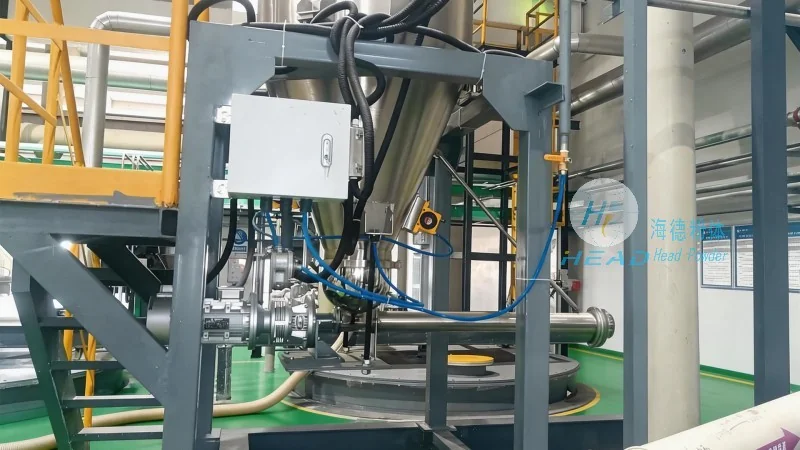
Key Components and Their Functions
Pharmaceutical powder pneumatic conveying systems consist of several key components, each playing a vital role in the overall operation. The primary components include a feeder or hopper to load the powder, a blower or compressor to generate air flow, a pipeline network to transport the powder, a receiver or silo to collect the material, and a separation device to separate powder from air. The feeder is designed to provide a consistent flow of powder to the system, while the blower or compressor supplies the necessary pressure and flow rate. The pipeline network is constructed from materials that resist corrosion and contamination, such as stainless steel or PTFE. The receiver is typically a large container that stores the transported powder, and the separation device, like a cyclone or filter, removes the powder from the air stream, preventing dust and contamination in the environment.
Advantages of Pharmaceutical Powder Pneumatic Conveying Systems
Pharmaceutical powder pneumatic conveying systems offer several advantages over traditional mechanical conveying methods. These include reduced risk of cross-contamination, as the system is enclosed and uses filtered air. The ability to handle a wide range of powder characteristics, from fine powders to bulk materials, makes it versatile for various pharmaceutical applications. Additionally, the systems are compact and can be integrated into existing facilities, reducing space requirements. The hygienic design of components, with smooth surfaces and easy-to-clean features, ensures compliance with regulatory standards, such as those from the FDA and GMP. The systems also provide better control over the transport process, allowing for precise monitoring and adjustment of parameters to optimize performance.
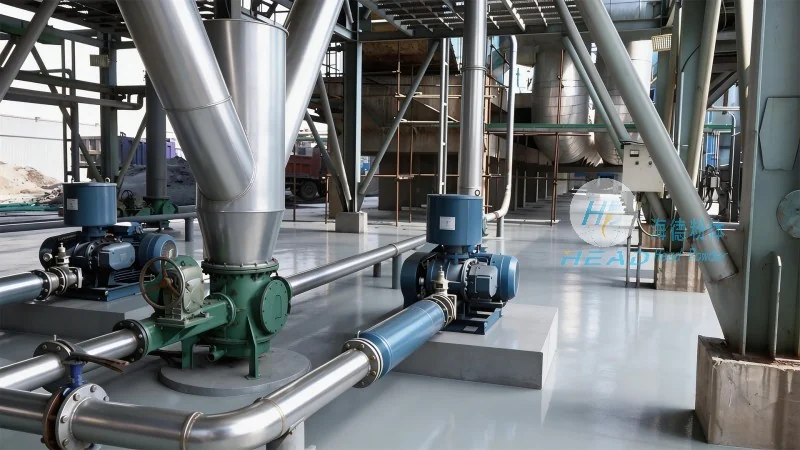
Applications in the Pharmaceutical Industry
Pharmaceutical powder pneumatic conveying systems are widely used in various applications within the pharmaceutical industry. These include the transport of active pharmaceutical ingredients (APIs), excipients, and finished products between processing units, such as mixing, drying, and packaging. The systems are also used in the handling of raw materials and intermediate products in manufacturing facilities. In the case of API transport, the systems ensure that the sensitive materials are handled with minimal exposure to air and moisture, maintaining their stability and efficacy. For excipients, the systems provide efficient and hygienic transport, ensuring consistent quality and purity. The systems are also used in the packaging process, where powders are conveyed to filling machines or storage containers. The versatility of these systems makes them suitable for a wide range of pharmaceutical products, from small-scale research and development to large-scale commercial production.
Regulatory Compliance and Hygiene Considerations
Pharmaceutical powder pneumatic conveying systems must comply with stringent regulatory standards to ensure product safety and quality. The systems are designed to meet the requirements of Good Manufacturing Practices (GMP) and other regulatory guidelines. Key considerations include the use of materials that are non-reactive with the powder, smooth surfaces to prevent particle accumulation, and easy-to-clean components. The system components are typically made of stainless steel or PTFE, which are resistant to corrosion and can be sanitized easily. The air used in the system is filtered to remove particulates and contaminants, ensuring that the powder remains free from impurities. Additionally, the system includes monitoring and control features to track parameters such as pressure, flow rate, and temperature, which are critical for maintaining compliance and product quality. Regular maintenance and cleaning procedures are also essential to prevent contamination and ensure the system operates efficiently.
HeadPowder: Expert in Pharmaceutical Powder Pneumatic Conveying Systems
Shandong HeadPowder Engineering Co., Ltd., commonly known as HeadPowder, is a leading provider of pharmaceutical powder pneumatic conveying systems. With years of experience in the industry, HeadPowder specializes in designing, manufacturing, and installing systems tailored to the specific needs of pharmaceutical manufacturers. The company's products are known for their high quality, reliability, and compliance with regulatory standards. HeadPowder's team of experts works closely with clients to understand their requirements and develop customized solutions that optimize performance and ensure product quality. The company's systems are designed with a focus on hygiene, safety, and efficiency, making them suitable for a wide range of pharmaceutical applications. HeadPowder's commitment to innovation and customer satisfaction has made it a trusted partner in the pharmaceutical industry, providing reliable and effective solutions for powder handling needs.