

Operation Process and Working Principle of Slurry and Powder Pneumatic Conveying Systems
Slurry and powder pneumatic conveying systems represent a critical technology in material handling, particularly for industries dealing with bulk solids and liquid slurries. These systems are designed to transport materials through a pipeline using a gas stream, typically air or other gases, which creates the necessary pressure and flow to move the material from the source to the destination. The technology is widely used across various sectors, including mining, food processing, chemical manufacturing, and pharmaceuticals, due to its efficiency, flexibility, and ability to handle a wide range of materials. As a leading provider of advanced material handling solutions, Shandong HeadPowder Engineering Co., Ltd. specializes in designing and manufacturing high-performance pneumatic conveying systems tailored to meet the specific needs of different industries.
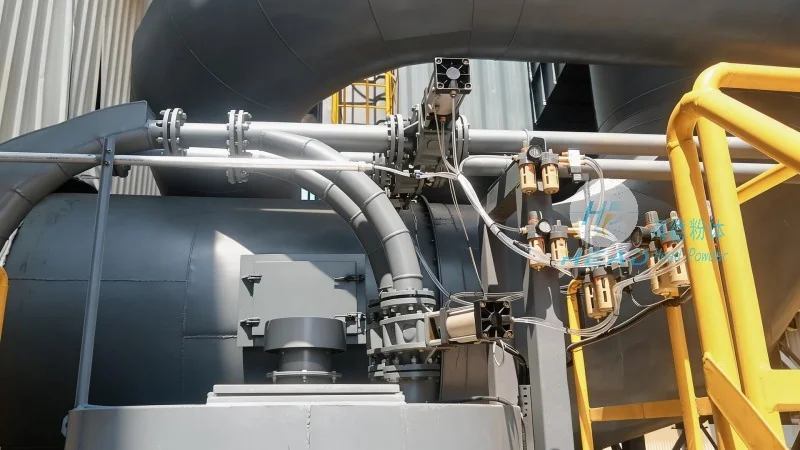
Key Components of the Pneumatic Conveying System
The operation of a slurry and powder pneumatic conveying system involves several key components that work in concert to ensure effective material transport. These components include the material feed hopper, which holds the slurry or powder to be conveyed; the air compressor or blower, which generates the necessary air pressure; the pipeline system, which serves as the conduit for both the material and the air; the control valves and regulators, which manage the flow and pressure of the air and material; and the discharge equipment, such as a receiver or silo, where the material is deposited at the end of the pipeline. Each component plays a vital role in maintaining the system's efficiency and ensuring the safe and reliable transport of the material.
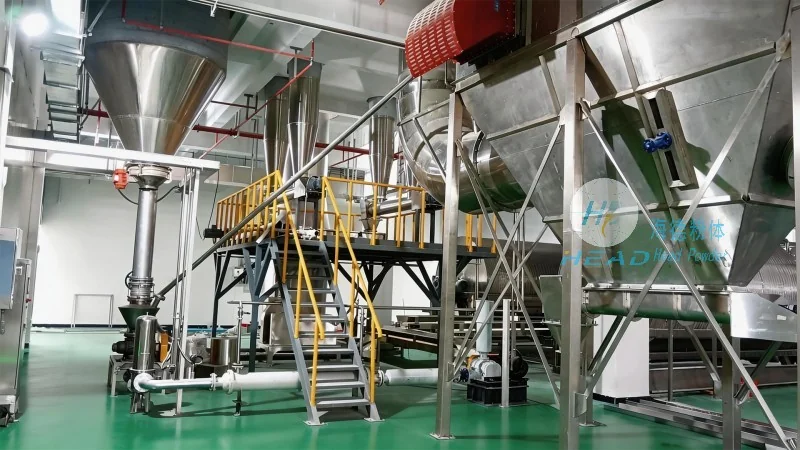
Operation Process of the Pneumatic Conveying System
The operation process of a slurry and powder pneumatic conveying system typically follows a sequence of steps that ensure smooth and continuous material transport. The process begins with the material being fed into the hopper from a storage silo or other source. The material then flows into the pipeline as the air compressor starts operating, generating the required air pressure. The air and material are mixed in the pipeline, creating a slurry or powder-air mixture that is propelled forward by the pressure differential. The mixture travels through the pipeline to the discharge point, where it is separated from the air and collected in the receiver. The control system monitors the pressure, flow rate, and material level to maintain optimal operation and prevent issues such as blockages or overpressure.
Working Principle of the Pneumatic Conveying System
The working principle of a slurry and powder pneumatic conveying system is based on the fundamental concept of fluidization and the use of pressure differentials to move materials. In a positive displacement system, the air compressor creates a high-pressure air stream that forces the material through the pipeline. The material is suspended in the air stream, and the pressure drop along the pipeline maintains the flow. In a suction system, the air blower creates a low-pressure zone that draws the material into the pipeline. The material is then carried by the air stream to the discharge point. The efficiency of the system depends on factors such as the particle size and density of the material, the air velocity, and the pipeline diameter and length. Proper design and maintenance of the system are crucial to ensure optimal performance and minimize energy consumption.
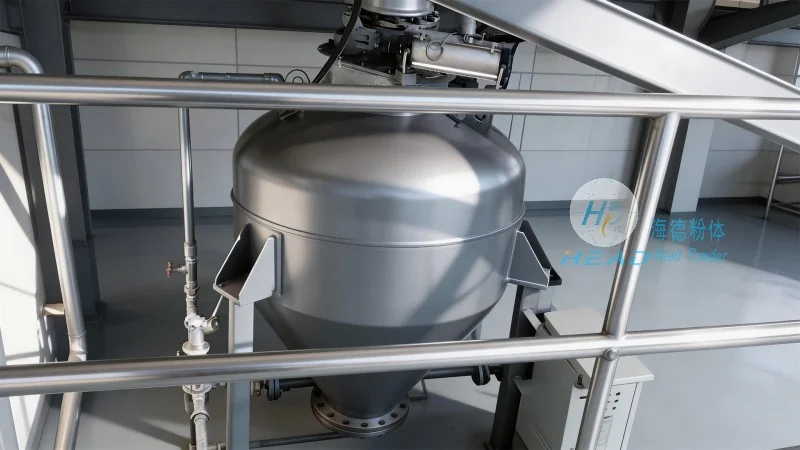
Applications and Benefits of Slurry and Powder Pneumatic Conveying Systems
Slurry and powder pneumatic conveying systems are used in a wide range of applications across various industries. In the mining industry, these systems are used to transport ore and tailings from the mine to processing facilities. In the food processing industry, they are used to convey powders such as flour, sugar, and spices, as well as slurries like fruit purees and dairy products. In the chemical manufacturing industry, they are used to transport chemicals, powders, and slurries, including those that are hazardous or corrosive. The benefits of using pneumatic conveying systems include improved safety, as the material is contained within the pipeline, reduced labor costs, as the system can operate continuously, and increased efficiency, as the material is transported quickly and with minimal loss. Additionally, the systems are flexible and can be easily modified to accommodate changes in material type or flow rates.