

Operation Process and Working Principle of Negative Pressure Suction Type Powder Pneumatic Conveying
HeadPowder, a leading manufacturer in the field of powder handling technology, specializes in the design, development, and implementation of advanced pneumatic conveying systems. The negative pressure suction type system is a critical solution for efficiently transporting bulk powders over medium to long distances, ensuring minimal product degradation and operational reliability. This article delves into the operational process and underlying principles of such systems, highlighting their advantages and practical applications.

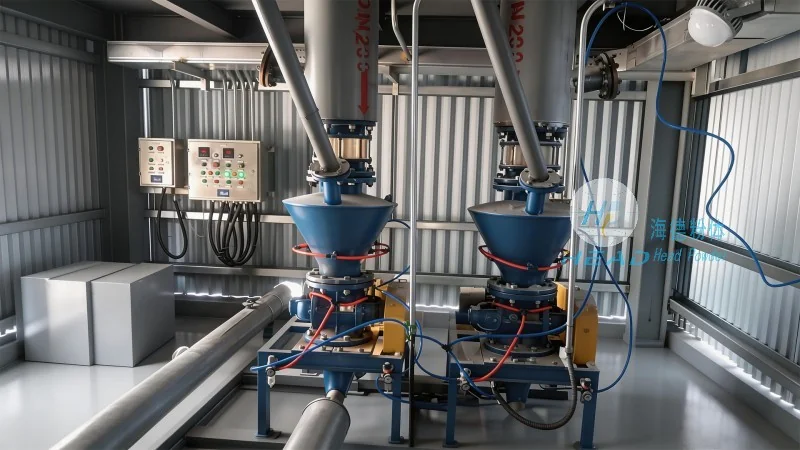
Working Principle of Negative Pressure Suction Type Powder Pneumatic Conveying
The core of the negative pressure suction system lies in its ability to create a vacuum within the conveying line, which draws the powder material from the source to the destination. The process begins with the powder being fed into the suction hopper or feeder. As the air is drawn through the system, it creates a low-pressure environment that pulls the powder particles into the pipeline. The air-powder mixture then travels through the conveying line, often equipped with pulse-jet or rotary valves to maintain consistent flow and prevent blockages. At the discharge end, the air is separated from the powder, typically using cyclone separators or filters, and the powder is collected in the receiving hopper. The air, now clean, is either recirculated or vented to the atmosphere, depending on the system design. This method is particularly effective for handling fine or abrasive powders, as it minimizes mechanical contact and reduces the risk of product contamination.
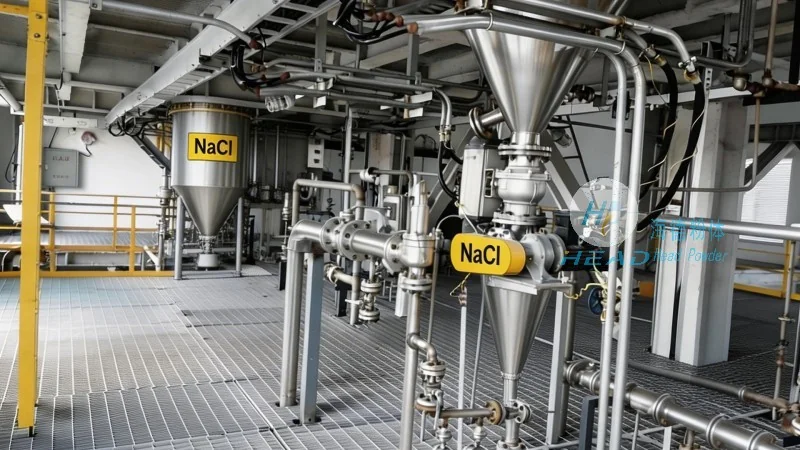
Operational Process of the System
The operational process of a negative pressure suction type powder pneumatic conveying system involves several key steps that ensure smooth and efficient material transport. First, the powder is loaded into the source container, such as a silo or storage bin. The feeder, which can be a rotary valve or a screw feeder, regulates the flow rate of the powder into the suction hopper. The vacuum pump, the heart of the system, generates the necessary negative pressure by drawing air from the conveying line and exhausting it to the atmosphere. As the vacuum is established, the powder is drawn into the pipeline, forming an air-powder mixture. The mixture travels through the pipeline, which may include bends, elbows, and straight sections, all designed to maintain the flow velocity required to keep the powder suspended. At the discharge point, the mixture enters a separator, where the air is separated from the powder. The powder falls into the receiving container, while the air is either filtered and recirculated or released. The system continuously monitors pressure, flow rate, and other parameters to ensure optimal performance and prevent issues like blockages or air leaks. Regular maintenance, including cleaning of filters and checking for wear in components, is essential to maintain the system's efficiency and longevity.
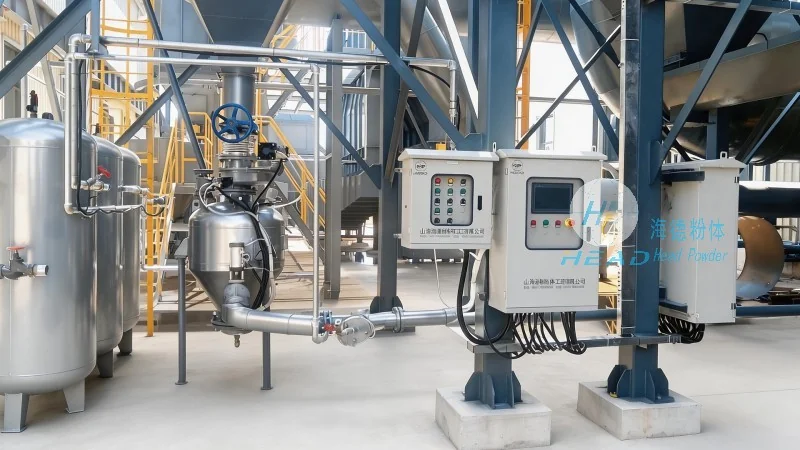
Advantages and Applications
Negative pressure suction type powder pneumatic conveying systems offer several advantages that make them suitable for a wide range of industrial applications. These include the ability to transport powders over long distances without the need for intermediate transfer points, reducing the risk of contamination and product loss. The system is also highly flexible, allowing for changes in the conveying route or material type with minimal modifications. Additionally, the low mechanical stress on the powder minimizes degradation, making it ideal for heat-sensitive or delicate materials. Industries that benefit from this technology include pharmaceuticals, food processing, chemical manufacturing, and mining, where the handling of bulk powders requires precision and reliability. The system's ability to handle fine powders and abrasive materials without causing wear to the equipment further enhances its appeal in these sectors.