

Operation Process and Working Principle of Fly Ash Silo Material Conveying System Equipment
Shandong HeadPowder Engineering Co., Ltd., a leading manufacturer in the field of industrial material handling solutions, specializes in the design, production, and installation of advanced fly ash silo material conveying systems. These systems are engineered to efficiently transport fly ash from storage silos to processing or disposal facilities, ensuring smooth and reliable operation in power plant and industrial applications. The equipment is tailored to meet the specific requirements of clients, combining durability, efficiency, and safety in its design.
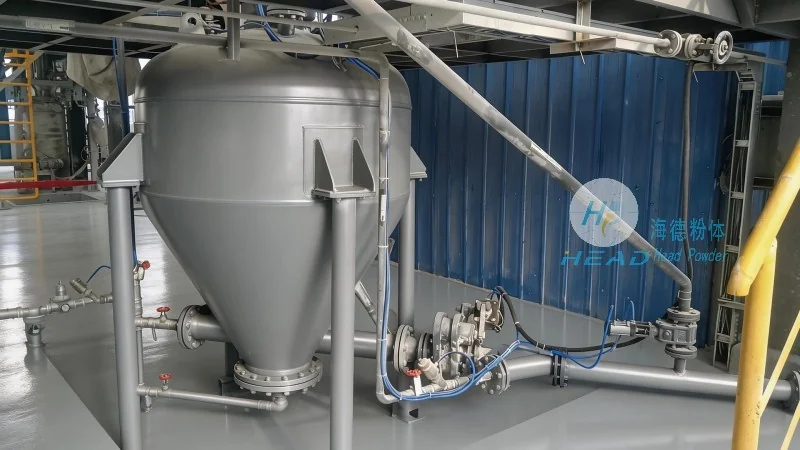
Key Components and Structure of the Conveying System
The fly ash silo material conveying system typically consists of several core components that work in tandem to achieve optimal performance. The main elements include a silo hopper for ash storage, a conveyor mechanism (such as a screw conveyor, belt conveyor, or pneumatic system), control panels for automated operation, and safety features to prevent overloading or blockages. The system is constructed with high-quality materials, such as stainless steel or corrosion-resistant alloys, to withstand the harsh conditions of fly ash handling, including moisture, temperature fluctuations, and abrasive particles. Each component is designed to be modular, allowing for easy maintenance and replacement of parts without disrupting the entire system's operation.
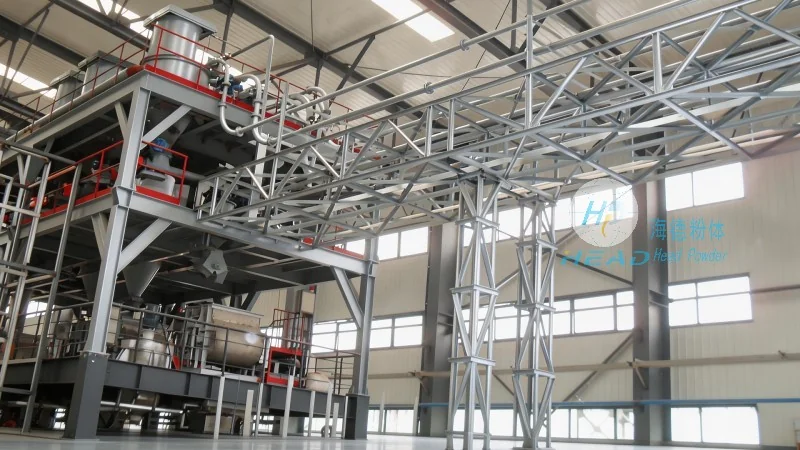
Operation Process of the Material Conveying System
The operation of the fly ash silo material conveying system follows a systematic process that ensures consistent and efficient material transfer. The process begins with the loading of fly ash into the silo hopper. As the hopper fills, the material is gradually released into the conveyor mechanism. The conveyor then transports the ash to the desired destination, such as a processing unit or a disposal site. The system is equipped with sensors and control systems that monitor the flow rate, pressure, and temperature of the material, providing real-time feedback to the operator. This allows for adjustments to be made as needed to maintain optimal performance. The control panel, located in a central position, enables operators to start, stop, or adjust the speed of the conveyor, ensuring precise control over the material flow. Additionally, the system includes safety interlocks that automatically shut down the conveyor if any abnormal conditions are detected, such as blockages or overfilling, preventing potential accidents and equipment damage.
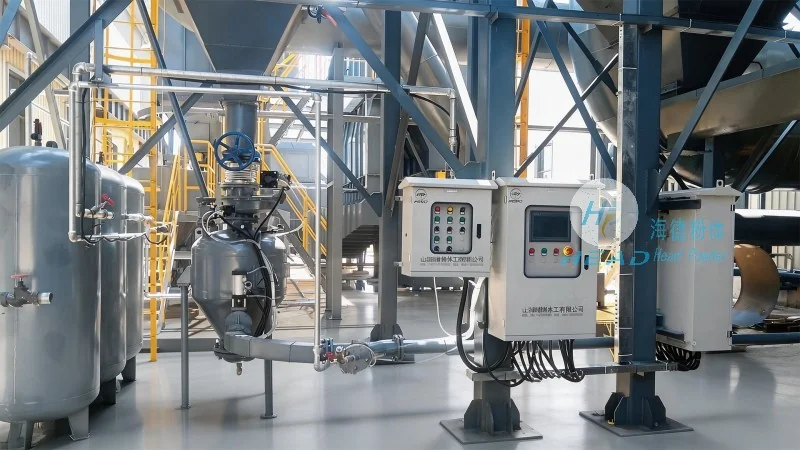
Working Principle of the Conveying System
The working principle of the fly ash silo material conveying system is based on mechanical or pneumatic forces that move the material from the source to the destination. For mechanical systems, such as screw or belt conveyors, the material is moved by rotating components or moving belts that create a continuous flow. The screw conveyor, for example, uses a helical screw to push the ash forward, while the belt conveyor relies on a moving belt to transport the material. Pneumatic systems, on the other hand, use compressed air to create a flow of air and ash through a pipeline, allowing for the transport of material over longer distances and with greater flexibility. The system's control system regulates the flow of air or the speed of the mechanical components, ensuring that the material is conveyed at the appropriate rate. The working principle also incorporates features like vibration or agitation to prevent material buildup and ensure smooth flow, especially in cases where the ash has a tendency to clump or settle.
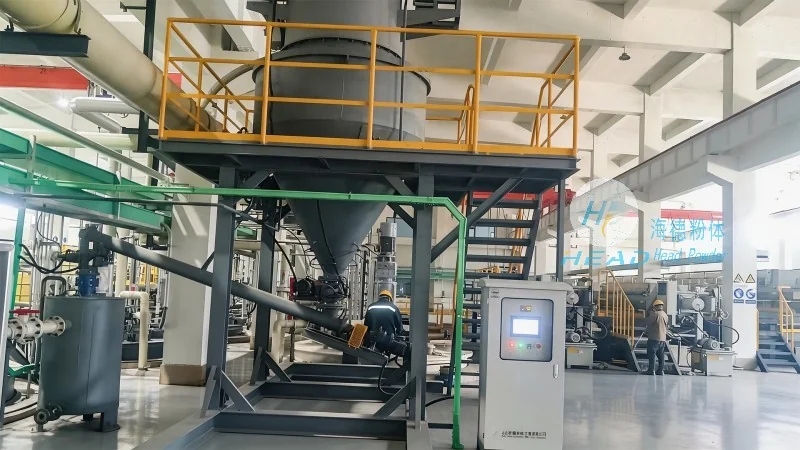
Advantages and Applications of the Conveying System
The fly ash silo material conveying system offers several advantages that make it an ideal solution for industrial applications. One of the key benefits is its high efficiency, as it can transport large volumes of fly ash with minimal energy consumption. The system is also highly reliable, with low maintenance requirements and long service life, reducing downtime and operational costs. Additionally, the system is designed with safety in mind, incorporating features such as overload protection, emergency stop buttons, and monitoring systems to ensure the safety of operators and the integrity of the equipment. The system is widely used in power plants, where it is essential for transporting fly ash from the boiler to the storage silos or for disposal. It is also used in other industrial sectors, such as cement production, where fly ash is used as a supplementary cementitious material. The modular design of the system allows it to be customized to fit the specific needs of each client, making it a versatile solution for various material handling challenges.