

Operation Process and Working Principle of Dry Sand Material Handling Equipment
HeadPowder, a leading manufacturer based in Shandong, China, specializes in the design and production of advanced dry sand material handling equipment. This equipment is engineered to efficiently transport dry sand and similar granular materials in industrial applications, ensuring high performance and reliability. The following content will detail the operation process and working principle of such equipment, providing a comprehensive understanding for potential users and industry professionals.
Key Components and Their Functions
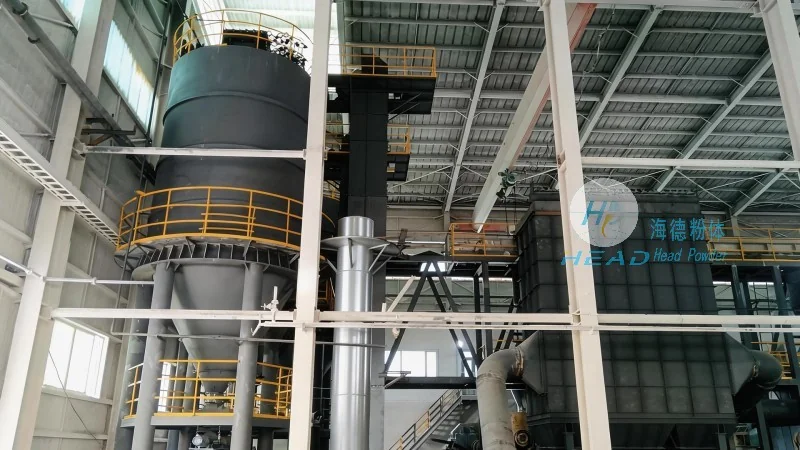
The dry sand material handling equipment typically consists of several critical components that work in tandem to achieve efficient material transport. The main components include the hopper, conveyor system (such as a belt or screw conveyor), drive mechanism, and control system. The hopper is responsible for storing and feeding the dry sand into the conveyor. It is designed with a sloped bottom to facilitate smooth material flow. The conveyor system, which may be a belt conveyor or a screw conveyor, is the core component that transports the sand from the hopper to the discharge point. The drive mechanism provides the necessary power to move the conveyor, while the control system manages the operation, ensuring safe and efficient material handling.
Operation Process of the Equipment
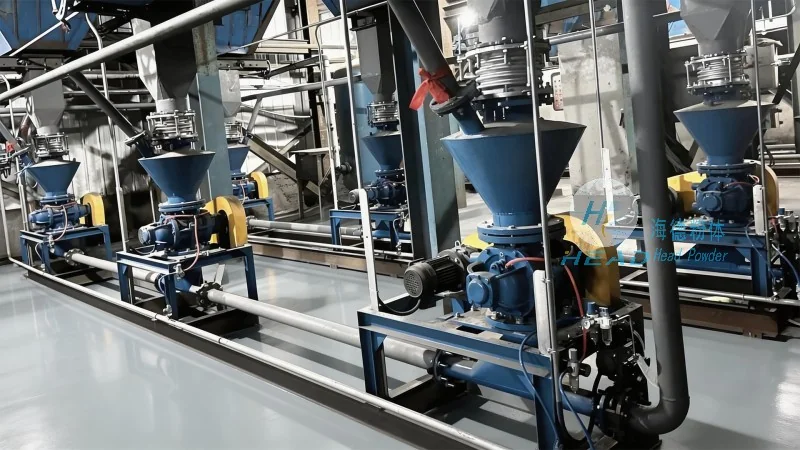
The operation of dry sand material handling equipment follows a systematic process. First, the dry sand is loaded into the hopper. The hopper's design allows the sand to settle and flow evenly into the conveyor. Once the hopper is filled, the drive mechanism activates, causing the conveyor to start moving. The conveyor then transports the sand from the inlet to the outlet. The control system monitors the operation, adjusting the speed or power as needed to maintain consistent material flow. The discharge point is typically located at the end of the conveyor, where the sand is released into a container or directly into the next processing stage. Throughout the operation, the equipment ensures minimal material loss and maximum efficiency, making it suitable for various industrial applications.
Working Principle of the Equipment
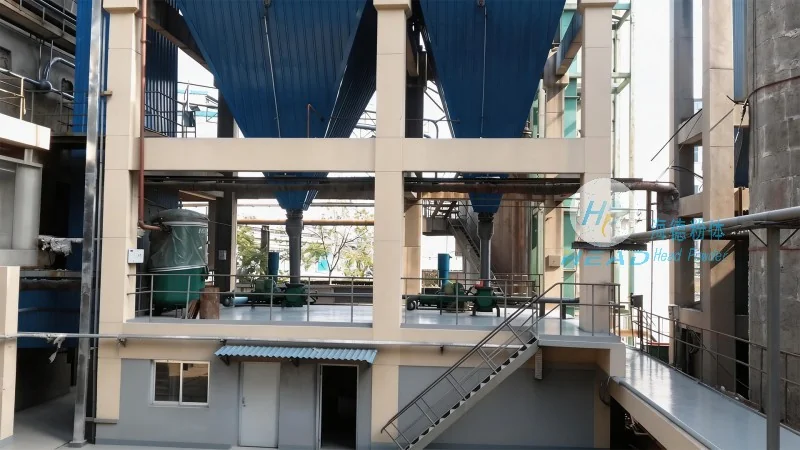
The working principle of dry sand material handling equipment is based on mechanical motion and gravity. The hopper uses gravity to feed the sand into the conveyor. The conveyor system, whether a belt or screw, uses mechanical power to move the sand along its path. The belt conveyor operates by rotating a belt that carries the sand, while the screw conveyor uses a rotating screw to push the sand forward. The drive mechanism, often an electric motor, converts electrical energy into mechanical energy to power the conveyor. The control system ensures that the equipment operates within safe parameters, preventing overloading or mechanical failure. This combination of components and principles allows the equipment to efficiently handle dry sand, meeting the demands of industrial processes.
Advantages and Applications
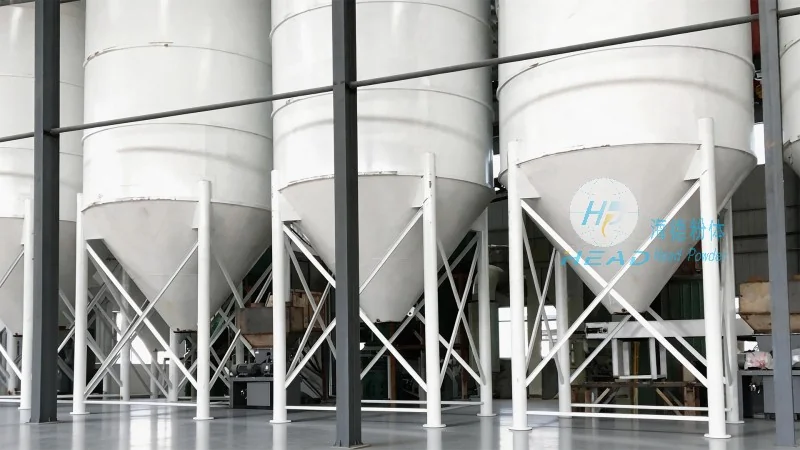
Dry sand material handling equipment offers several advantages, including high efficiency, low maintenance, and adaptability to various industrial environments. It is commonly used in construction sites for transporting sand to mixing plants, in mining operations for handling raw materials, and in manufacturing facilities for material transport between production stages. The equipment's design allows it to handle different types of dry granular materials, making it versatile for various applications. Additionally, the equipment is designed with safety features to protect operators and prevent material spillage, ensuring a secure working environment.