

Operation Process and Working Principle of Petrochemical Material Handling Equipment
At Shandong HeadPowder Engineering Co., Ltd., we specialize in providing advanced solutions for the transportation and handling of materials within the petrochemical industry. Our equipment is designed to meet the rigorous demands of this sector, ensuring efficiency, safety, and reliability in material movement. The following sections will delve into the operational processes and working principles of these critical systems, highlighting the key components and their functions.
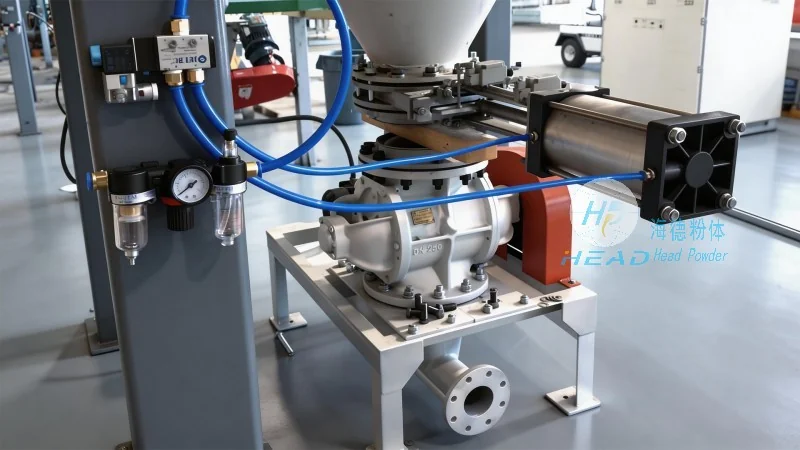
Key Components of Petrochemical Material Handling Equipment
The core of any effective material handling system in the petrochemical industry consists of several essential components. These include pumps, conveyors, valves, and control systems, each playing a vital role in the seamless transfer of materials. Pumps are responsible for moving liquids or slurries, while conveyors handle bulk solids. Valves regulate flow and pressure, and control systems ensure precise operation. Understanding these components is fundamental to grasping the overall functionality of the equipment.
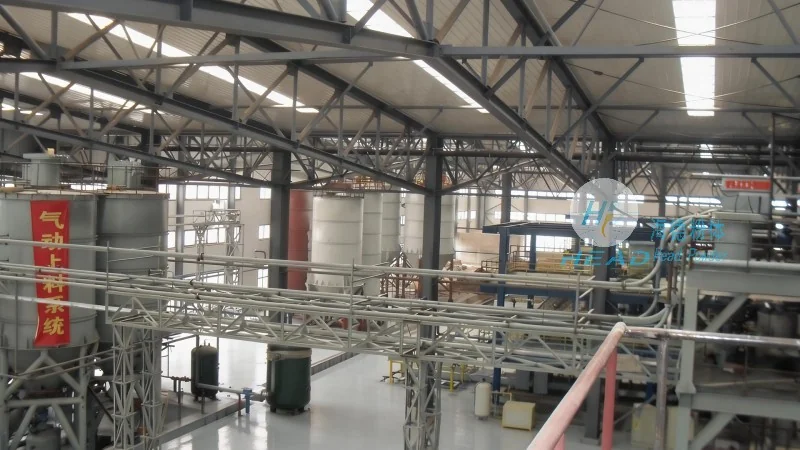
Operation Process: From Input to Output
The operation process of petrochemical material handling equipment typically begins with the intake of raw materials or processed substances. This is followed by the processing stage, where materials are treated or transformed as required. The next phase involves the transportation phase, where the processed materials are moved from one location to another within the facility. Finally, the output stage delivers the final products or intermediate materials to their designated destinations. Each phase is carefully managed to maintain optimal performance and minimize downtime.
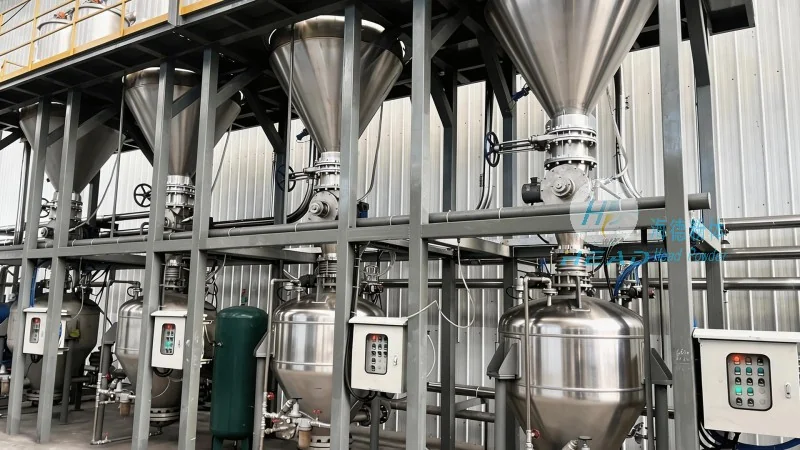
Working Principle: Mechanical and Fluid Dynamics
The working principle of petrochemical material handling equipment is rooted in mechanical and fluid dynamics. For pumps, the principle involves the conversion of energy into fluid motion, enabling the movement of liquids or slurries. Conveyors utilize mechanical energy to transport bulk solids, often through belts, buckets, or screw mechanisms. Valves operate based on pressure differentials and control signals, regulating flow rates and preventing backflow. Control systems integrate sensors and actuators to monitor and adjust the operation in real-time, ensuring that the system operates within safe and efficient parameters.
Ensuring Efficiency and Safety in Petrochemical Handling
Efficiency and safety are paramount in the operation of petrochemical material handling equipment. Regular maintenance and monitoring are essential to prevent equipment failure and ensure consistent performance. The design of these systems incorporates safety features such as pressure relief valves, emergency shut-off mechanisms, and protective enclosures to mitigate risks associated with handling hazardous materials. Additionally, the use of advanced materials and coatings helps to resist corrosion and wear, extending the lifespan of the equipment and reducing maintenance costs.
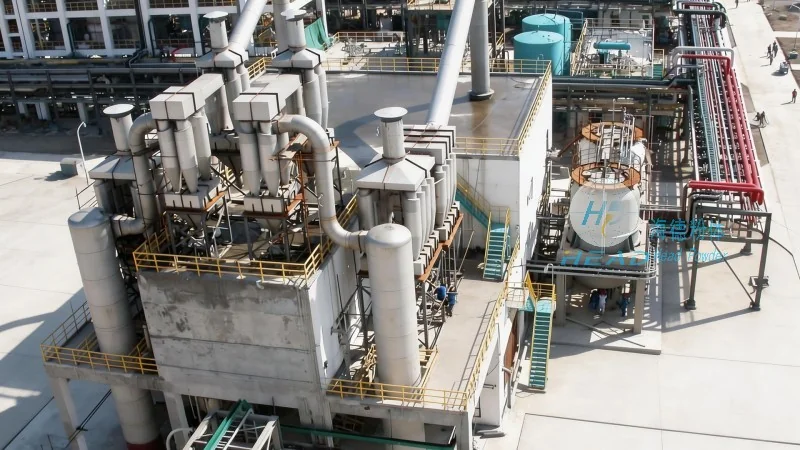
Conclusion: The Role of HeadPowder in Petrochemical Material Handling
Shandong HeadPowder Engineering Co., Ltd. is committed to delivering high-quality petrochemical material handling equipment that meets the evolving needs of the industry. By understanding the operational processes and working principles of these systems, we can provide tailored solutions that enhance productivity, reduce operational costs, and ensure compliance with safety standards. Our expertise in designing and manufacturing these systems positions us as a trusted partner for businesses operating in the petrochemical sector.