

Operation Process and Working Principle of Fine Sand and Gravel Material Conveying
Conveying fine sand and gravel materials is a critical operation in various industrial sectors, including construction, mining, and manufacturing. The efficient transport of these materials directly impacts production efficiency, cost management, and overall operational reliability. Understanding the operation process and working principles of the conveying systems designed for such materials is essential for optimizing workflow and ensuring consistent performance.
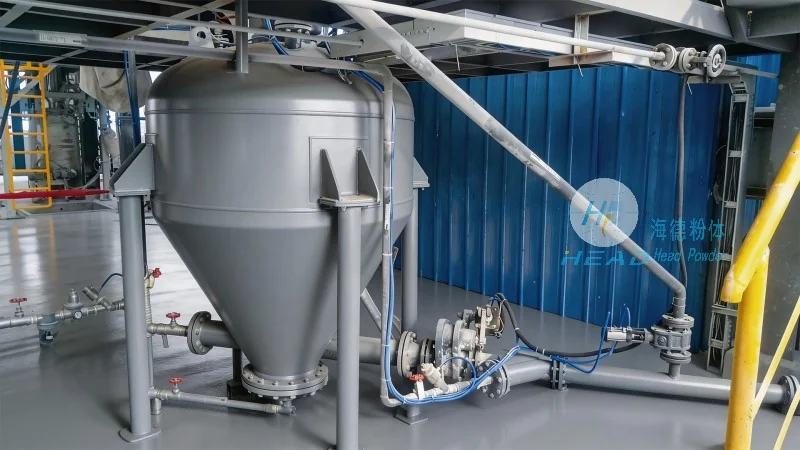
HeadPowder, a leading provider of engineering solutions, specializes in the design and implementation of advanced material handling systems tailored to the unique characteristics of fine sand and gravel. With a focus on durability, efficiency, and adaptability, their systems are engineered to meet the demanding requirements of modern industrial applications. The company, based in Shandong, China, leverages years of expertise to deliver solutions that enhance productivity and reduce operational downtime.
Key Characteristics of Fine Sand and Gravel for Conveying
Fine sand and gravel present specific challenges during material transport due to their size, density, and flow properties. These materials are often abrasive, which can lead to wear on conveying equipment if not handled properly. Additionally, their tendency to clog or settle in traditional conveying systems requires specialized design considerations. HeadPowder’s systems incorporate features such as robust hopper designs, adjustable feed mechanisms, and anti-clogging components to address these challenges effectively. The company’s engineers carefully analyze material properties to ensure the selected conveying equipment is optimized for the specific application, minimizing maintenance and maximizing throughput.
Working Principle of Fine Sand and Gravel Conveying Systems
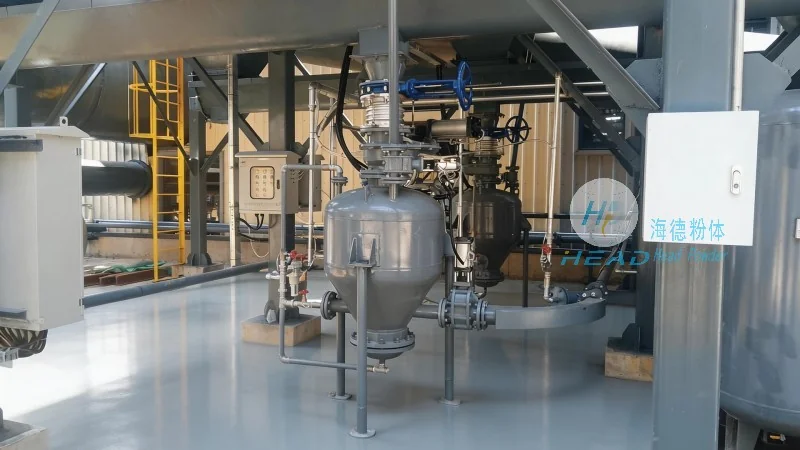
The operation of fine sand and gravel conveying systems typically involves several key components working in concert. The process begins with material intake, where the sand and gravel are fed into a hopper or storage bin. From there, the material is transferred to the conveying mechanism, which may include screw conveyors, belt conveyors, or pneumatic systems, depending on the application requirements. HeadPowder’s systems often utilize screw conveyors for fine sand and gravel due to their ability to handle abrasive materials and maintain consistent flow. The screw conveyor’s rotating helical blade pushes the material forward, ensuring smooth and continuous transport. The system may also include a drive motor, control panel, and safety features to regulate operation and prevent accidents.
During the conveying process, the system maintains a consistent material flow rate by adjusting feed rates and conveyor speed. This ensures that the material is transported without excessive pressure or clogging, which could lead to equipment failure. HeadPowder’s control systems are equipped with sensors that monitor the material level, flow rate, and temperature, providing real-time data to operators. This allows for immediate adjustments to maintain optimal performance and prevent issues such as overloading or underfeeding.
Operation Process of Fine Sand and Gravel Conveying Systems
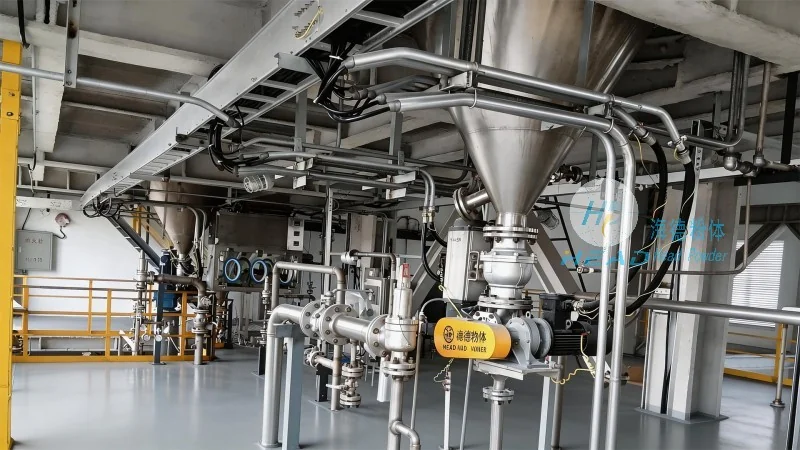
The operation process of a fine sand and gravel conveying system involves several sequential steps that ensure efficient material transport. First, the system is prepared for operation, which includes checking the hopper level, ensuring the conveyor is clear of debris, and verifying that all safety features are activated. Next, the material is fed into the hopper at a controlled rate, typically using a feeder or bulk material handling equipment. The conveyor then begins to transport the material from the hopper to the discharge point, which may be a storage silo, processing unit, or other destination.
Throughout the operation, the system’s control panel monitors key parameters such as motor speed, material flow rate, and pressure. Operators can adjust these settings as needed to maintain optimal performance. For example, if the material flow rate decreases, the control system may increase the conveyor speed or adjust the feeder rate to restore the desired flow. This dynamic adjustment capability is crucial for handling variations in material characteristics or production demands.
HeadPowder’s systems are designed with user-friendly interfaces that allow operators to easily monitor and control the conveying process. The control panels provide clear visual indicators of system status, including alarms for low material levels, overloading, or mechanical issues. This helps operators quickly identify and resolve problems, minimizing downtime and ensuring continuous operation. Additionally, the company’s systems are built with modular components, allowing for easy maintenance and replacement of parts without disrupting the entire operation.
Advantages of HeadPowder’s Fine Sand and Gravel Conveying Solutions
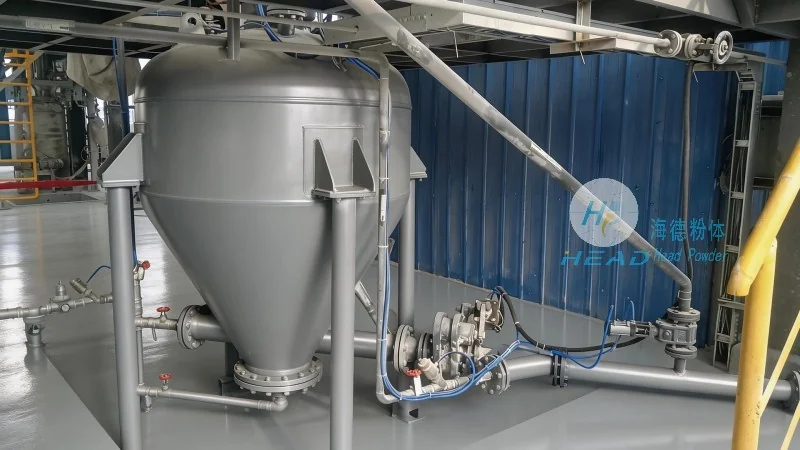
HeadPowder’s fine sand and gravel conveying systems offer several advantages that make them ideal for industrial applications. The robust design of the equipment ensures long-term durability, even in harsh operating conditions. The anti-clogging features and adjustable feed mechanisms reduce the risk of material buildup, which can lead to equipment failure and costly repairs. Additionally, the efficient flow control provided by the systems minimizes energy consumption, resulting in lower operational costs over time.
The company’s expertise in material handling engineering allows them to tailor solutions to specific customer needs. Whether the application requires high-capacity transport or precise material distribution, HeadPowder can design a system that meets the requirements. Their systems are also equipped with safety features that comply with industry standards, ensuring a secure working environment for operators. The combination of durability, efficiency, and adaptability makes HeadPowder’s solutions a reliable choice for businesses in the construction, mining, and manufacturing sectors.