

Operating Process and Working Principle of Polypropylene Material Conveying
For industrial applications involving polypropylene, the efficient and reliable transport of material is crucial to maintaining production efficiency and product quality. This article provides a detailed overview of the operating process and working principle of polypropylene material conveying systems, highlighting the key components, operational steps, and technical aspects that ensure optimal performance.
Company Overview: HeadPowder Engineering
Shandong HeadPowder Engineering Co., Ltd., commonly known as HeadPowder, is a prominent engineering firm based in Shandong, China. With a strong focus on material handling technologies, the company has developed specialized solutions for the polypropylene industry, including advanced conveying systems that meet the demands of modern manufacturing processes. HeadPowder's expertise lies in designing equipment that ensures safe, efficient, and cost-effective material transport, contributing to the overall productivity of plastic processing operations.
Key Components in Polypropylene Conveying Systems
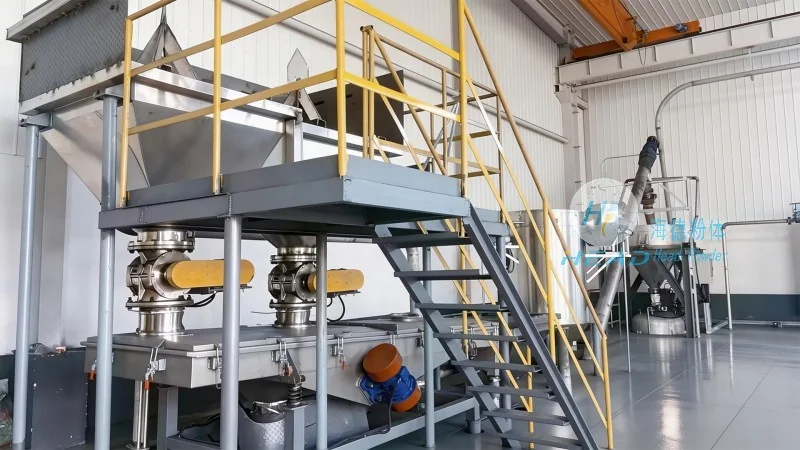
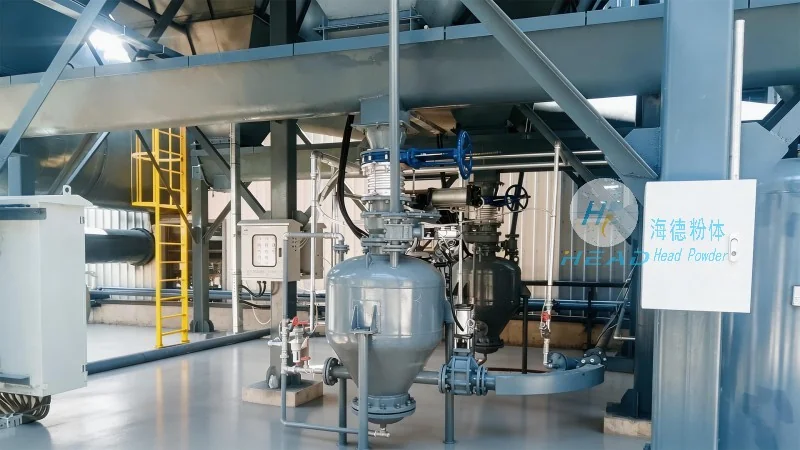
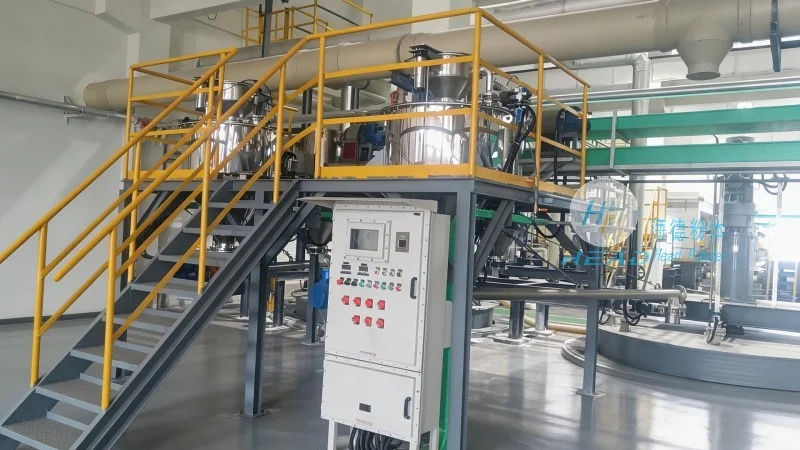
Polypropylene material conveying systems typically consist of several critical components that work in tandem to facilitate the transport of material. These components include feed hoppers, conveying mechanisms (such as screw conveyors or pneumatic systems), control panels, and discharge mechanisms. Each component plays a vital role in the overall operation, ensuring that polypropylene is moved from one location to another with minimal loss and maximum efficiency.
The Operating Process of Polypropylene Material Conveying
The operation of a polypropylene material conveying system begins with the loading of material into the feed hopper. The hopper is designed to hold a sufficient quantity of polypropylene, allowing for continuous feeding into the conveying mechanism. Once the material is in the hopper, the conveying system is activated, typically by an electric motor that drives the screw or air compressor for pneumatic systems. The material is then propelled through the conveyor, moving from the inlet to the outlet as per the system's design. The process continues until the hopper is emptied or the system is manually stopped. Throughout this operation, the control panel monitors key parameters such as speed, pressure, and material level, ensuring that the system operates within safe and optimal conditions.
Working Principle of Polypropylene Material Conveying
The working principle of polypropylene material conveying systems is based on the application of mechanical or pneumatic force to move material from a source to a destination. In mechanical systems, such as screw conveyors, a rotating screw (or auger) pushes the polypropylene along a trough, utilizing friction and gravity to facilitate movement. The screw's design, including its pitch and diameter, is optimized to handle polypropylene's properties, such as its density and flow characteristics. In pneumatic systems, compressed air is used to create a flow of air that carries polypropylene particles through a pipeline. The air velocity and pressure are carefully controlled to ensure that the material is transported without degradation or blockage. Both systems rely on precise engineering to maintain consistent material flow and prevent issues like clogging or uneven distribution.
Technical Considerations for Efficient Polypropylene Conveying
Efficient polypropylene material conveying requires careful consideration of several technical factors. Material properties, such as polypropylene's tendency to stick or agglomerate, must be addressed through the use of anti-stick coatings or special screw designs. The system's design must also account for the material's density and flowability, ensuring that the conveying mechanism can handle the load without excessive wear or energy consumption. Additionally, the system's integration with other production equipment, such as extruders or mixers, is critical to maintaining a smooth production line. Regular maintenance and monitoring of the conveying system are essential to prevent downtime and ensure long-term reliability. By addressing these technical considerations, industrial facilities can achieve high levels of efficiency and productivity in their polypropylene processing operations.