

Operation Process and Working Principle of Foam Material Conveying
For industrial applications that require the efficient transport of bulk materials, foam material conveying systems have emerged as a sophisticated solution. These systems are designed to handle a wide range of materials, from powders and granules to fine particles, by incorporating air or gas into the material stream to create a stable foam. This approach not only enhances material flow but also reduces friction and energy consumption, making it an ideal choice for industries such as mining, construction, and chemical processing.
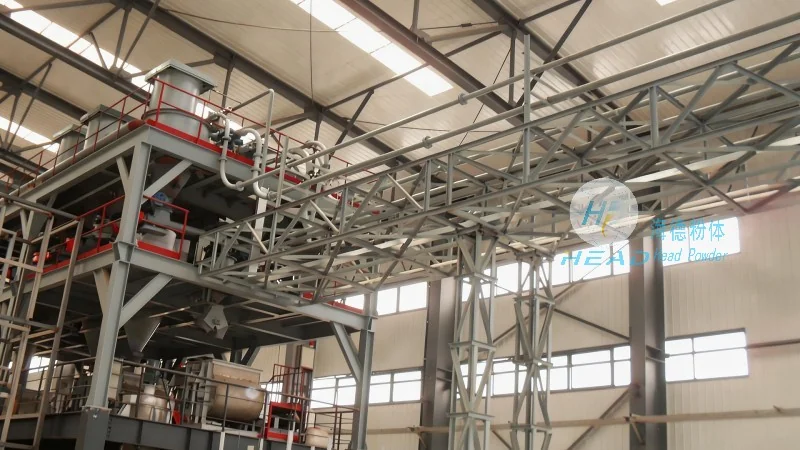
Introduction to Foam Material Conveying Systems
Foam material conveying, also known as pneumatic foam conveying, is a method that leverages the properties of foam to improve the handling of bulk solids. Unlike traditional conveying methods like screw conveyors or belt conveyors, foam conveying uses a two-phase flow—solid particles and air—to achieve smooth, low-resistance transport. This technology is particularly effective for materials that are difficult to convey due to their low flowability or high dust content. The system typically consists of a foam generator, a conveying line, and a control unit, all working in tandem to ensure consistent and reliable material transport.
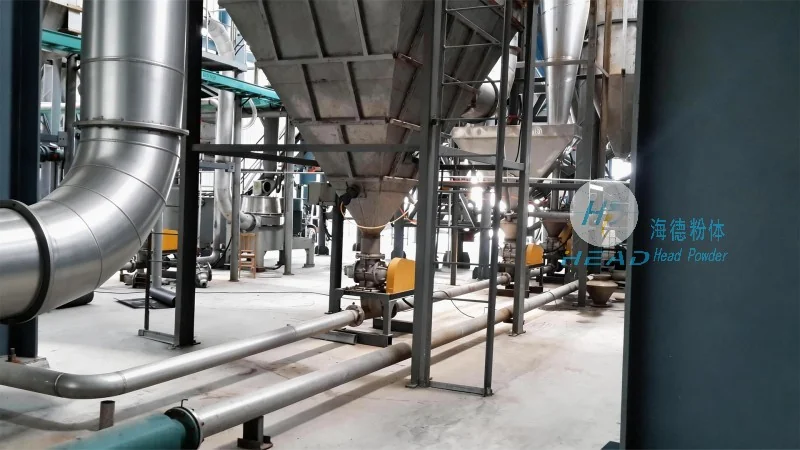
The Operation Process of Foam Material Conveying
The operation process of a foam material conveying system involves several key steps. First, the bulk material is fed into the system, often from a hopper or storage silo. Simultaneously, a foam generator introduces air or gas into the material stream, creating a stable foam structure. The foam, which increases the bulk density and reduces the effective friction between particles, is then drawn through the conveying line by a vacuum or pressure system. The conveying line may include bends, vertical sections, and expansion joints to accommodate the material's path. At the discharge end, the foam is broken down, and the material is deposited into the receiving container. The entire process is controlled by a programmable logic controller (PLC) or a dedicated control unit, which monitors parameters such as pressure, flow rate, and foam stability to maintain optimal performance.
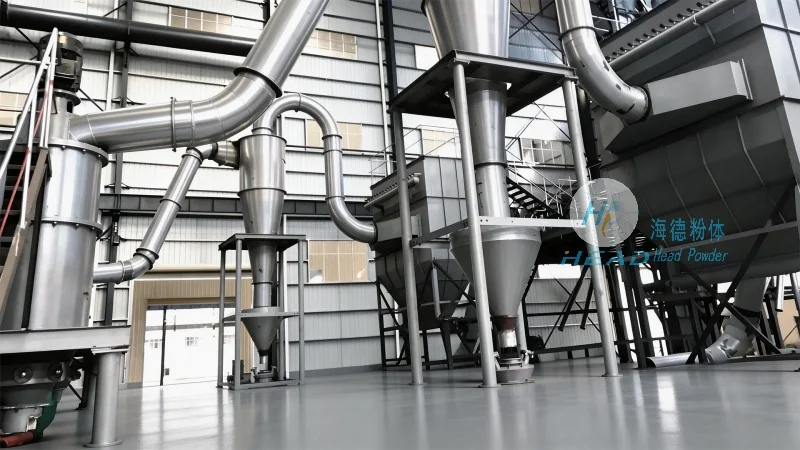
Working Principle of Foam Material Conveying Technology
The working principle of foam material conveying is rooted in fluid dynamics and the behavior of foams. When air is introduced into a liquid or solid suspension, it forms a network of gas bubbles surrounded by a liquid film. In the case of foam material conveying, the solid particles are suspended within this foam, which acts as a carrier. The key to the system's effectiveness lies in achieving a stable foam with a low gas-to-liquid ratio, ensuring that the material remains suspended without settling or clogging. The foam's viscosity is reduced, allowing it to flow smoothly through the conveying line. The pressure drop across the system is minimized, as the foam reduces the friction between particles and the pipe walls. This results in lower energy consumption compared to traditional pneumatic conveying systems, which often require higher pressures and more energy to transport the same volume of material.
Company Profile: Shandong HeadPowder Engineering Co., Ltd.
HeadPowder, the professional name for Shandong HeadPowder Engineering Co., Ltd., is a leading manufacturer and supplier of foam material conveying systems. With headquarters in Shandong, China, the company has built a strong reputation for delivering high-quality, customized solutions tailored to the specific needs of industrial clients. HeadPowder's team of engineers and technicians specializes in designing and manufacturing foam generators, conveying lines, and control systems that meet international standards for efficiency, safety, and durability. The company's commitment to research and development ensures that its products remain at the forefront of technology, incorporating the latest advancements in foam dynamics and material handling.
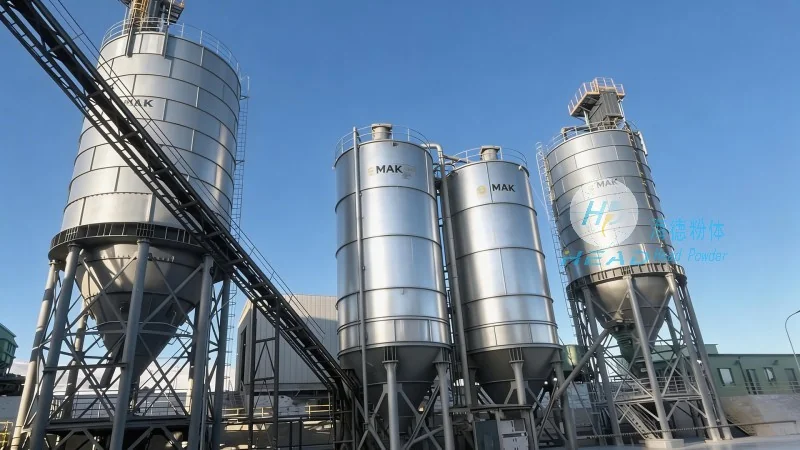
Technical Advantages and Applications
The foam material conveying systems offered by HeadPowder provide several technical advantages that make them superior to traditional conveying methods. These include reduced energy consumption, as the foam reduces the pressure drop and friction in the system. The systems also minimize material degradation and dust generation, which is critical for maintaining product quality and ensuring workplace safety. Additionally, the ability to handle a wide range of materials, from fine powders to coarse granules, makes these systems versatile and adaptable to various industrial applications. HeadPowder's foam conveying solutions are widely used in industries such as mining for ore transport, construction for cement and sand handling, and chemical processing for powder transport. The company's focus on customization ensures that each system is optimized for the specific material, flow rate, and operational conditions of the client, resulting in reliable and efficient performance.