

Operation Process and Working Principle of Rice Husk Material Conveying
Efficient handling and transportation of rice husk material is crucial in various industrial applications, particularly in biomass energy production and agricultural processing. The operation process and working principle of rice husk material conveying systems are designed to ensure optimal performance, reliability, and safety. This article provides a detailed overview of the operational workflow and technical principles underlying such systems, highlighting the expertise of Shandong HeadPowder Engineering Co., Ltd. as a leading provider in the field.
Company Background and Expertise
Shandong HeadPowder Engineering Co., Ltd., commonly known as headpowder, is a reputable enterprise based in Shandong, China. With a strong commitment to innovation and quality, the company specializes in the design, manufacturing, and installation of advanced material handling solutions. HeadPowder has built a solid reputation by delivering customized conveying systems tailored to the specific needs of clients in the biomass and agricultural sectors. The company's team of experienced engineers and technicians ensures that each project meets the highest standards of efficiency and durability.
Overview of Rice Husk Material Conveying Systems
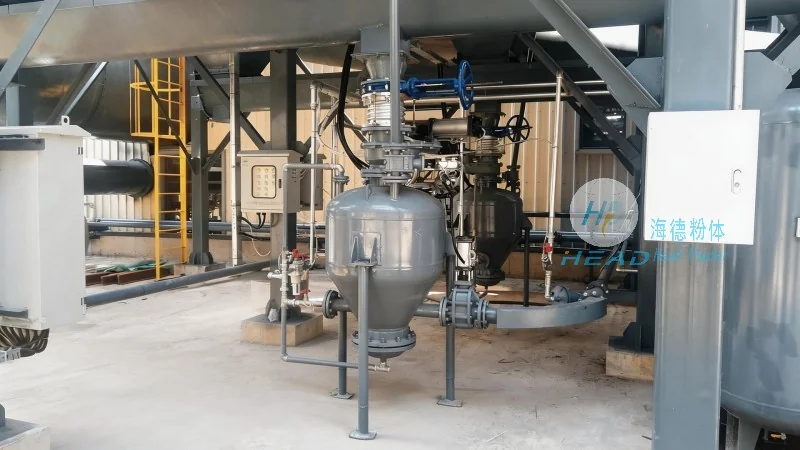
Rice husk material conveying systems are engineered to transport rice husk from collection points to processing units or storage facilities. These systems typically integrate various components, including feeders, conveyors, and control mechanisms, to achieve seamless material flow. The design of such systems takes into account the physical properties of rice husk, such as its lightweight, abrasive nature, and tendency to generate dust, which influences the selection of appropriate materials and operational parameters.
Step-by-Step Operation Process
The operation process of rice husk material conveying begins with the initial collection and feeding of rice husk into the system. This is usually achieved through a hopper or a feeding mechanism that ensures a consistent and controlled flow of material. The material is then transferred to the primary conveyor, which may be a belt conveyor, screw conveyor, or pneumatic conveyor, depending on the system design and application requirements. The primary conveyor transports the rice husk to the processing or storage area, where it may undergo further treatment or be prepared for use in energy generation.
During the conveying process, the system incorporates various control and monitoring features to maintain optimal performance. These may include sensors to detect material levels, speed controls to adjust conveyor speed based on load conditions, and safety interlocks to prevent accidents. The operation process is designed to minimize downtime and maximize throughput, ensuring that the rice husk is conveyed efficiently and safely from the source to the destination.
Working Principle of Conveying Mechanisms
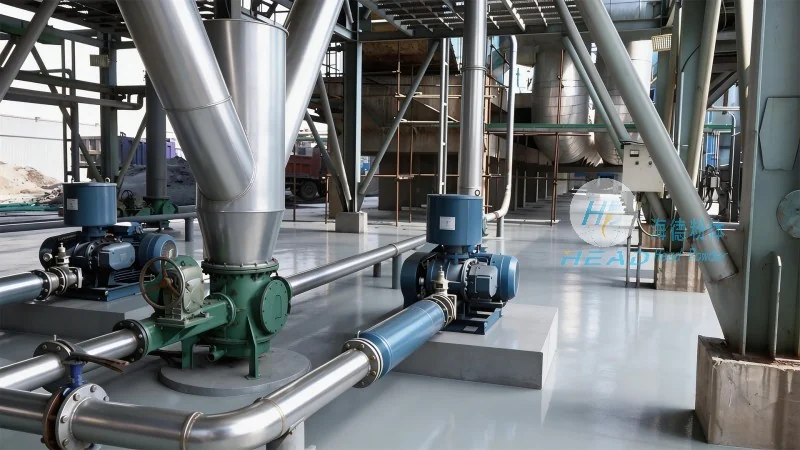
The working principle of rice husk material conveying systems relies on the application of mechanical forces to move the material along a designated path. For belt conveyors, the material is placed on a moving belt, which transports it through friction and gravity. Screw conveyors utilize a rotating screw to push the material forward, while pneumatic conveyors use air pressure to create a flow of material through a pipeline. Each mechanism operates based on fundamental principles of physics, such as friction, gravity, and pressure, to achieve effective material transport.
In the case of rice husk, the lightweight and abrasive nature of the material necessitates the use of durable and low-friction components. The belt material is often selected from high-quality rubber or synthetic materials to withstand the abrasive action of the husk and reduce wear. Similarly, screw conveyors may use corrosion-resistant metals or coated components to prevent damage from the acidic or acidic compounds present in rice husk. The control systems in these mechanisms ensure that the conveying speed and pressure are adjusted to maintain a stable flow, preventing blockages or excessive wear.
Key Components and Their Functions
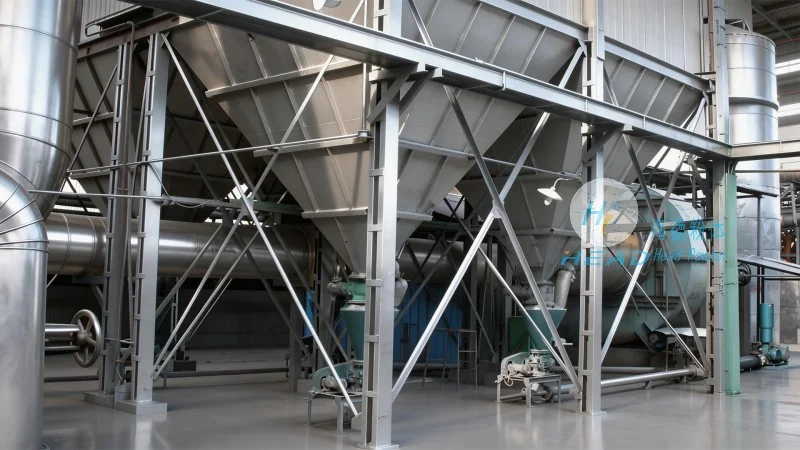
Several key components are integral to the operation of rice husk material conveying systems. The feeding hopper or feeder is responsible for collecting and distributing the rice husk into the conveyor. This component must be designed to handle the bulk density and flow characteristics of the material, ensuring a uniform feed. The conveyor itself, whether belt, screw, or pneumatic, is the primary transport mechanism, transferring the material from the feeder to the discharge point. The discharge mechanism, such as a chute or outlet, directs the material to the next processing stage or storage location.
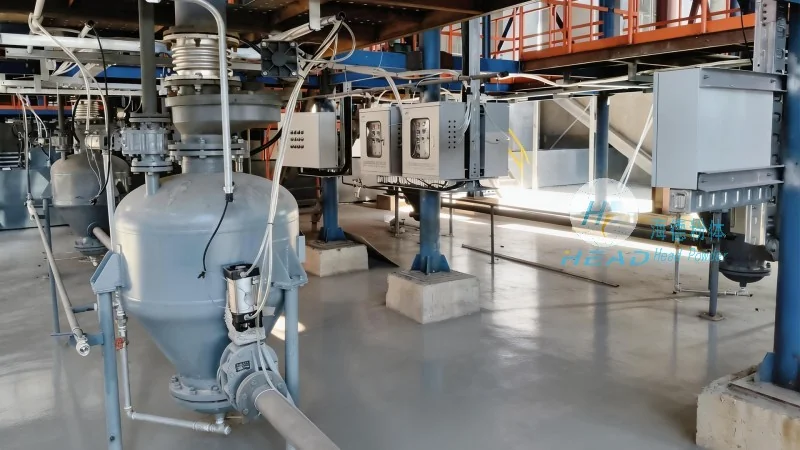
Control systems play a critical role in managing the operation of the conveying system. These systems include sensors for level monitoring, speed controllers for adjusting conveyor speed, and safety devices to prevent overloading or mechanical failures. The integration of these components ensures that the system operates within safe and efficient parameters, minimizing the risk of accidents and maximizing productivity. Additionally, maintenance features, such as access panels and inspection points, allow for regular checks and repairs to maintain the system's performance over time.
Advantages and Applications
Rice husk material conveying systems offer several advantages in industrial applications. These include high efficiency in material transport, reduced labor costs due to automated operation, and improved safety through integrated control systems. The systems are widely used in biomass power plants, where rice husk is used as a fuel source, and in agricultural processing facilities, where the husk is processed for animal feed or other products. The adaptability of these systems allows them to be customized for various applications, from small-scale processing to large-scale industrial operations.
Shandong HeadPowder Engineering Co., Ltd. provides comprehensive solutions for rice husk material conveying, including system design, installation, and maintenance services. The company's expertise in material handling technology ensures that clients receive tailored solutions that meet their specific operational requirements. By leveraging advanced engineering and quality materials, HeadPowder delivers systems that are reliable, durable, and cost-effective, contributing to the efficient utilization of rice husk as a valuable resource in industrial processes.