

Operation Process and Working Principle of Sand Material Conveying
Understanding the operation process and working principle of sand material conveying systems is crucial for optimizing material handling in various industrial applications. These systems are designed to efficiently transport sand and similar granular materials from one location to another, ensuring smooth and continuous material flow. The technology behind these conveying systems combines mechanical engineering principles with practical design considerations to meet the demands of different industries, such as construction, mining, and manufacturing. By leveraging advanced engineering solutions, these systems enhance productivity and reduce operational costs, making them indispensable in modern industrial operations.

Key Components of Sand Conveying Systems
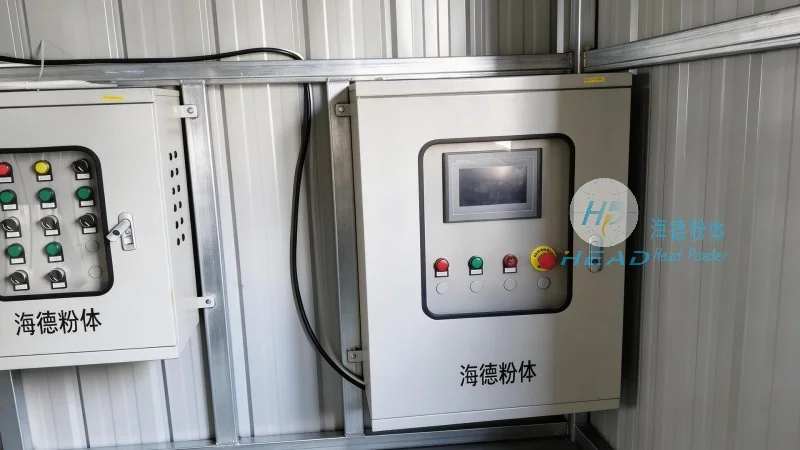
The core components of a sand material conveying system typically include a feed hopper, a conveyor mechanism (like a belt or screw conveyor), a drive system, and a control unit. The feed hopper is responsible for storing and feeding the sand into the conveyor. It is usually designed with a hopper shape to facilitate the flow of sand and prevent clogging. The conveyor mechanism, which may vary in type depending on the application, transports the sand through the system. Belt conveyors use a continuous belt to move the sand, while screw conveyors utilize a rotating screw (auger) to push the material forward. The drive system provides the necessary power to move the conveyor, often powered by electric motors connected to gears or pulleys. The control unit manages the operation, ensuring safe and efficient material transport. Each component plays a vital role in the overall performance of the system, and their integration is key to achieving reliable operation. Proper selection and maintenance of these components are essential for optimal system performance.
Operation Process of Sand Material Conveying
The operation process of sand material conveying systems generally follows a sequential workflow that ensures consistent and uninterrupted material transport. First, sand is loaded into the feed hopper from a storage silo or other source. The feed hopper then regulates the flow of sand into the conveyor mechanism, controlling the rate at which sand enters the system. The conveyor, powered by the drive system, moves the sand along its path. As the sand travels through the conveyor, it is transported to the discharge point, where it is collected for further use. The control unit monitors the system's performance, adjusting parameters such as speed and flow rate as needed to maintain optimal operation. This process ensures that sand is conveyed efficiently, minimizing downtime and maximizing productivity. The sequential nature of the operation allows for precise control over the material flow, adapting to changes in demand or material characteristics.
Working Principle of Sand Conveying Systems
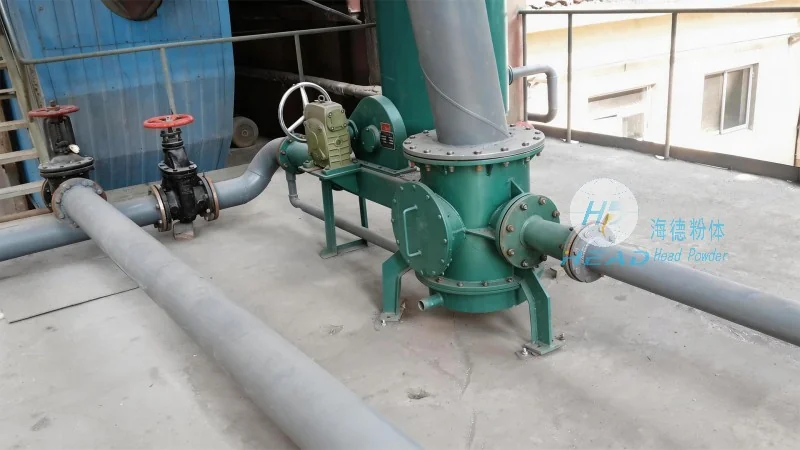
The working principle of sand material conveying systems is based on mechanical energy transfer and material movement, which enables the reliable transport of granular materials like sand. The drive system, often powered by electric motors, provides the force to move the conveyor belt or screw. In belt conveyors, the belt is continuously looped and driven by rollers or pulleys, moving the sand placed on the belt. The speed and tension of the belt are critical factors affecting the conveying capacity and efficiency. In screw conveyors, a rotating screw (auger) pushes the sand forward through a cylindrical tube, with the pitch and diameter of the screw influencing the material's movement. The control unit uses sensors and feedback mechanisms to adjust the speed and flow rate, ensuring that the system operates within safe and efficient parameters. This principle allows for the continuous and consistent transport of sand, adapting to different operational requirements and material characteristics. The integration of mechanical and control systems ensures that the conveying process is both effective and reliable.
Applications and Benefits of Sand Conveying Systems
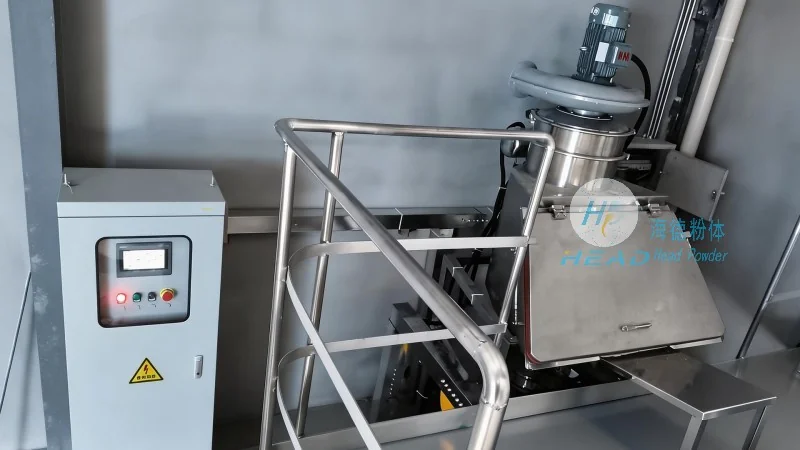
Sand material conveying systems are widely used in various industries due to their versatility and efficiency. In construction, they are used to transport sand for concrete mixing and site preparation, where consistent material flow is essential for quality control. In mining operations, they help move sand and other minerals from extraction sites to processing facilities, improving the overall efficiency of the mining process. Manufacturing industries also benefit from these systems for material handling in production lines, where sand may be used as a raw material or for other processes. The benefits of using such systems include increased productivity, reduced labor costs, and improved safety by minimizing manual handling of materials. Additionally, the systems can be customized to handle different sand types and volumes, making them adaptable to various industrial needs. Their ability to handle large quantities of material with minimal human intervention makes them a cost-effective solution for many applications.