

Operation Process and Working Principle of Sodium Phosphate Powder Conveying System Equipment
For industrial applications involving sodium phosphate powder, efficient and reliable conveying systems are crucial for maintaining production efficiency and product quality. The sodium phosphate powder conveying system equipment developed by Shandong HeadPowder Engineering Co., Ltd. is designed to address these needs, offering a robust solution for handling and transporting this essential chemical material. This article provides an in-depth look at the operation process and working principle of such systems, highlighting key components and their functions.
Overview of the Sodium Phosphate Powder Conveying System
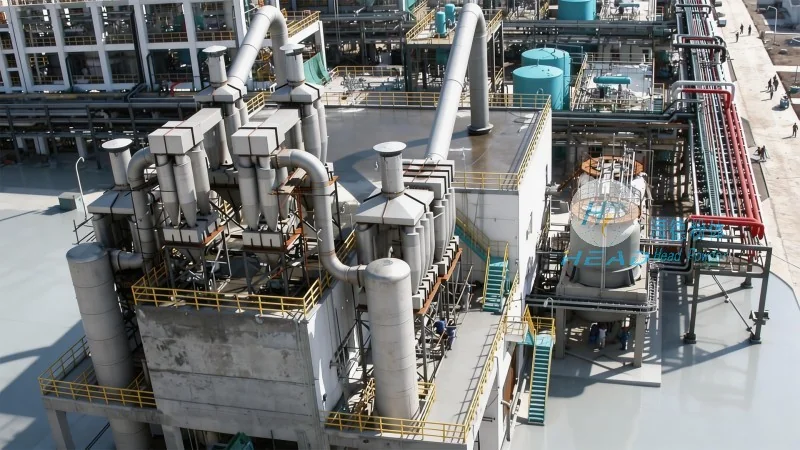
The sodium phosphate powder conveying system is a specialized piece of industrial equipment engineered to handle the transportation of sodium phosphate powder from storage silos or processing units to various destinations within a production facility. As a key component in many chemical and pharmaceutical processes, sodium phosphate is widely used as a buffering agent, emulsifier, and stabilizer. The conveying system ensures that this material is moved safely and efficiently, minimizing dust generation and preventing material loss. The system typically consists of several integrated parts, including a hopper, feeder, conveyor, and control unit, all working in harmony to achieve optimal performance.
Key Components and Their Functions
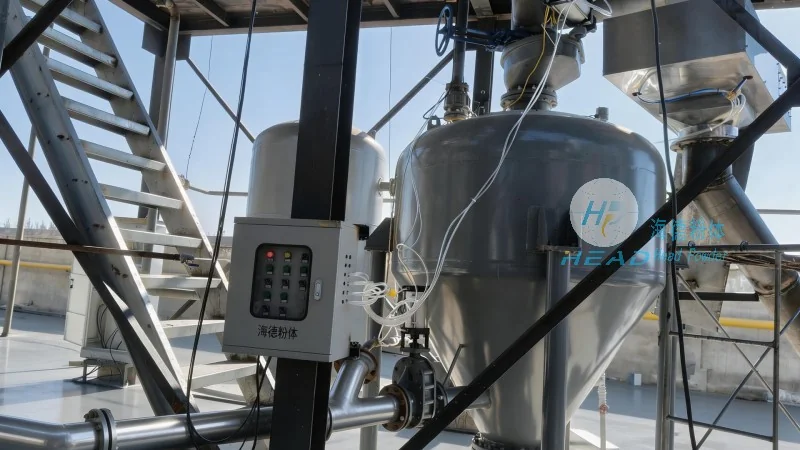
Each component of the sodium phosphate powder conveying system plays a vital role in the overall operation. The hopper serves as the storage and feeding chamber, where the powder is collected and prepared for transport. It is designed with a conical or rectangular shape to facilitate uniform material flow and prevent clogging. The feeder, often a rotary valve or screw feeder, regulates the flow rate of the powder from the hopper to the conveyor. This component ensures a consistent and controlled discharge of material, which is critical for maintaining the performance of downstream equipment. The conveyor itself, which can be a pneumatic or mechanical type depending on the system design, transports the powder through a pipeline or open channel. Pneumatic conveying systems use compressed air to move the powder, while mechanical systems rely on belts, screws, or buckets. The control unit manages the entire process, monitoring parameters such as pressure, flow rate, and temperature to ensure safe and efficient operation.
Operation Process of the System
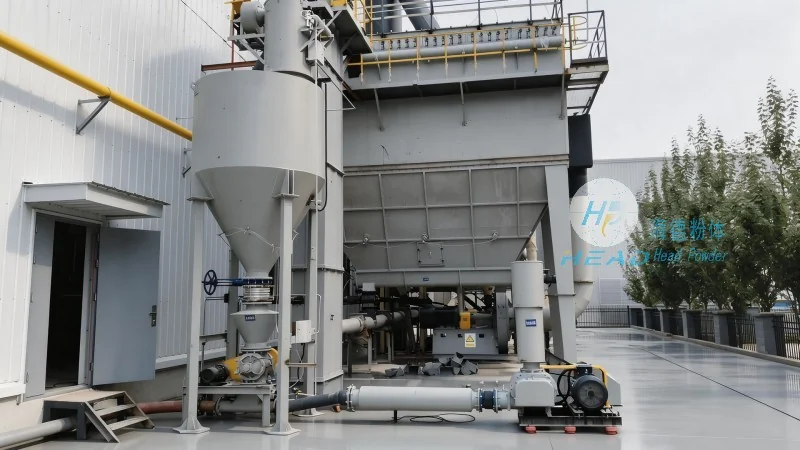
The operation of the sodium phosphate powder conveying system follows a systematic sequence to ensure smooth material transfer. The process begins with the loading of sodium phosphate powder into the hopper. The powder is then fed into the conveyor system through the feeder, which controls the discharge rate. The conveyor transports the powder to the desired destination, such as a processing unit or storage silo. The control unit continuously monitors the system's performance, adjusting parameters as needed to maintain optimal conditions. For example, if the pressure in the pneumatic system drops, the control unit may increase the air flow to prevent material stagnation. The system also includes safety features, such as dust collection and explosion-proof designs, to protect operators and the environment from potential hazards. This comprehensive approach ensures that the conveying process is both efficient and safe.
Working Principle of the Conveying Mechanism
The working principle of the sodium phosphate powder conveying system is based on the physical properties of the material and the principles of fluid dynamics or mechanical motion. In pneumatic conveying systems, the powder is suspended in a stream of air and transported through the pipeline. The air velocity is maintained above the material's terminal velocity to keep the powder in suspension, preventing it from settling and clogging the line. The pressure drop along the pipeline is carefully managed to ensure that the material reaches the destination without excessive energy consumption. In mechanical conveying systems, the powder is moved by the rotation of a screw or belt, which applies a force to the material and propels it forward. The design of the conveyor components, such as the pitch and diameter of the screw, is optimized to minimize friction and maximize material throughput. The control unit plays a crucial role in regulating the speed and direction of the conveyor, ensuring that the powder is delivered to the correct location at the right time.
Benefits and Applications
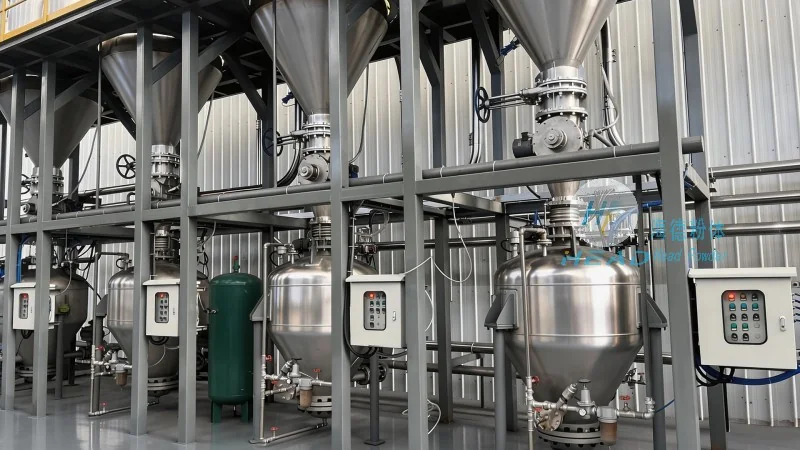
The sodium phosphate powder conveying system offers several advantages for industrial applications. Its ability to handle fine powders like sodium phosphate reduces the risk of dust accumulation and improves workplace safety. The system's efficiency in material transfer minimizes downtime and increases overall production capacity. Additionally, the modular design of the system allows for easy integration with existing production lines, making it a versatile solution for various industries. The system is widely used in chemical manufacturing, pharmaceutical production, food processing, and other sectors where sodium phosphate is a key ingredient. For example, in pharmaceutical plants, the conveying system ensures that sodium phosphate is delivered to mixing and packaging units without contamination or loss. In food processing facilities, the system maintains the quality of the powder by preventing moisture absorption and oxidation. The reliability and performance of the sodium phosphate powder conveying system make it an essential component for any facility handling this critical material.