

Operation Process and Working Principle of Grain Silo Pneumatic Conveying System Equipment
Grain silo pneumatic conveying systems represent advanced industrial technologies engineered to efficiently handle bulk materials such as grains, powders, and other granular substances within agricultural and food processing environments. The operation of these systems involves a sequence of coordinated actions that ensure smooth material transport while maintaining operational efficiency and safety standards. This article provides a comprehensive overview of the typical operation process and fundamental working principles of grain silo pneumatic conveying systems, highlighting key components and their functional roles in the overall system performance.
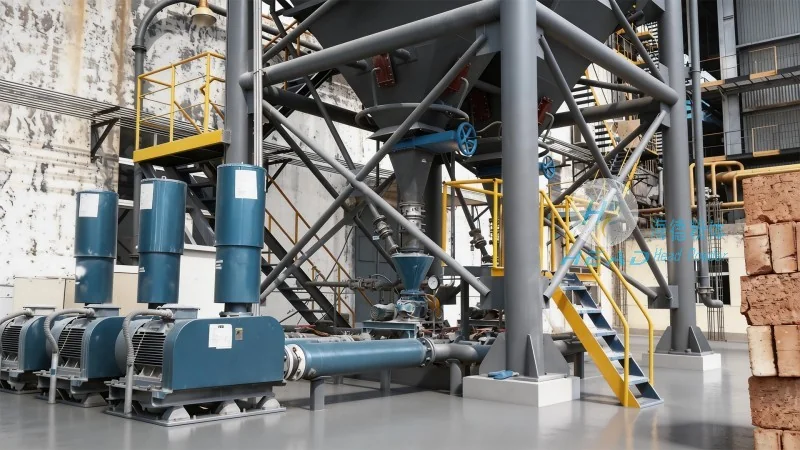
Core Components of a Pneumatic Conveying System
A standard pneumatic conveying system for grain silos comprises several essential elements that work in unison to facilitate material movement. These components include the silo hopper or inlet, a material feed device (like a rotary valve or screw feeder), a conveying line (typically constructed from metal or flexible tubing), a dust collection or filtration system, and a discharge outlet or storage container. Each component serves a critical function, and their proper integration is vital for reliable system operation.
The Working Principle: How Pneumatic Conveying Functions
The fundamental principle of pneumatic conveying is the utilization of air or gas to create a flow that transports bulk materials through a pipeline. This approach is based on the concept of fluidization, where the material is suspended and carried by the moving air stream. There are two primary system types: pressure and vacuum systems. Pressure systems employ compressed air to push material through the line, whereas vacuum systems use a vacuum pump to draw material into the pipeline.
Step-by-Step Operation Process
The operation process of a grain silo pneumatic conveying system follows a structured sequence of actions. The process initiates with material being fed from the silo hopper into the system via a rotary valve or similar device. The feed device regulates the material flow rate, ensuring consistent and controlled input. Concurrently, the conveying line is pressurized or evacuated, depending on the system type, to generate the necessary air flow.
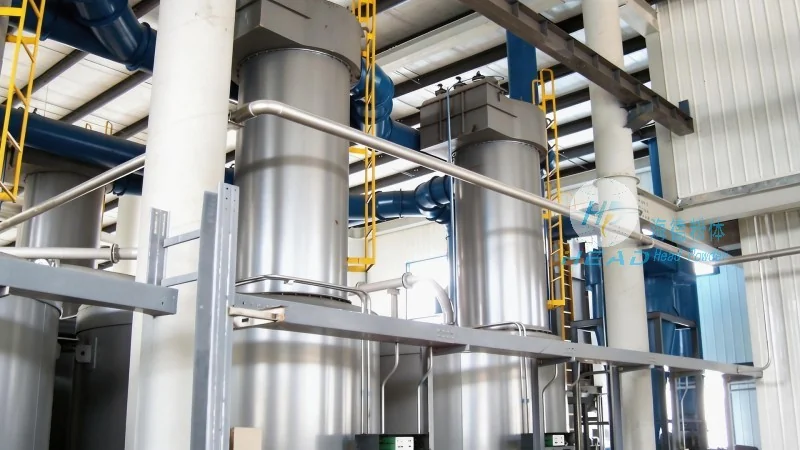
Once the material is introduced into the conveying line, it is suspended by the moving air stream and transported to the discharge point. The conveying line may incorporate bends, expansions, or other fittings that require careful design to minimize pressure losses and prevent material blockages. At the discharge end, the material is collected in a storage bin or processing unit, and the air is filtered and either returned to the system or released to the atmosphere.
System Control and Monitoring
Modern pneumatic conveying systems are equipped with advanced control systems that monitor and regulate various parameters to ensure optimal performance. These systems may include sensors for pressure, flow rate, and material level, as well as automated controls that adjust feed rates and air pressure based on real-time conditions. Proper monitoring helps prevent issues such as clogging, over-pressurization, or material degradation, thereby enhancing system reliability and longevity.
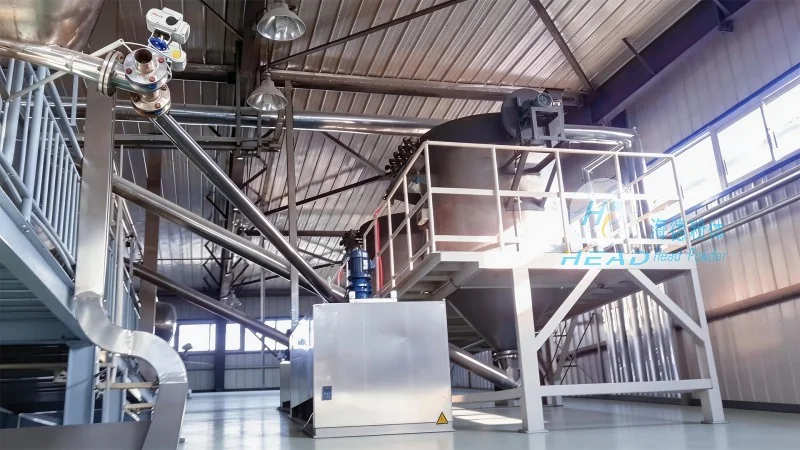
Applications and Benefits in Grain Handling
Grain silo pneumatic conveying systems are widely utilized in the agricultural and food industries due to their ability to handle bulk materials efficiently and safely. These systems offer several advantages over traditional mechanical conveying methods, including reduced labor costs, improved hygiene, and the capacity to transport materials over long distances without the need for multiple transfer points. The systems are particularly advantageous in environments where dust control and contamination prevention are critical, such as in food processing facilities.
Maintenance and Operational Considerations
To ensure the long-term performance and reliability of a pneumatic conveying system, regular maintenance is essential. This includes cleaning the conveying line and filter system to prevent dust accumulation, inspecting and replacing worn components like rotary valves or seals, and checking the performance of the air compressor or vacuum pump. Proper maintenance helps minimize downtime and operational costs, while also extending the lifespan of the equipment.
About HeadPowder: Shandong HeadPowder Engineering Co., Ltd.
HeadPowder, a leading manufacturer of industrial conveying equipment, specializes in the design, manufacturing, and installation of pneumatic conveying systems tailored to the needs of the agricultural and food processing sectors. With a strong commitment to quality and innovation, HeadPowder provides comprehensive solutions that enhance operational efficiency and safety in grain handling operations. The company is headquartered in Shandong, China, and serves clients worldwide with its expertise in material handling technology.