

Operation Process and Working Principle of Glass Fiber Powder Pneumatic Conveying Machine
For industrial applications involving the transport of glass fiber powders, efficient and reliable equipment is crucial. The glass fiber powder pneumatic conveying machine, developed by Shandong HeadPowder Engineering Co., Ltd. (commonly known as HeadPowder), represents a sophisticated solution designed to meet these demands. This article delves into the operation process and working principle of such a system, highlighting its technical advantages and practical applications.
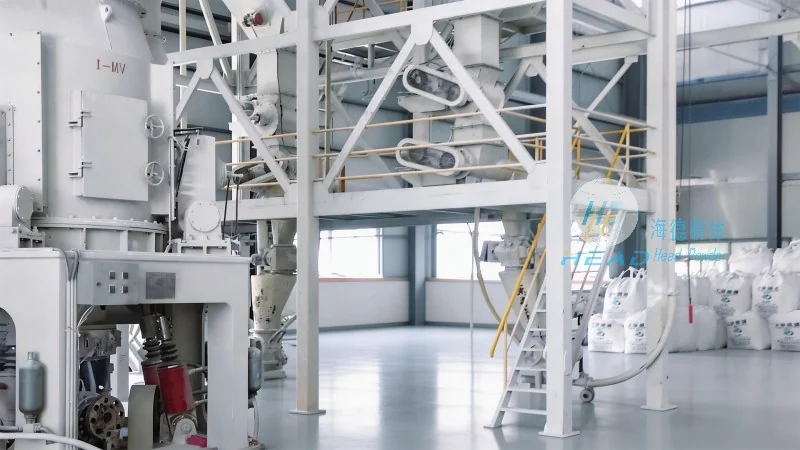
Company Overview: HeadPowder Engineering
HeadPowder, a leading manufacturer based in Shandong, China, specializes in engineering solutions for material handling and processing. With a strong commitment to innovation and quality, the company has established itself as a trusted provider of pneumatic conveying systems tailored to diverse industrial needs. The glass fiber powder pneumatic conveying machine is a prime example of their expertise, combining advanced technology with robust design to ensure optimal performance in handling delicate and abrasive materials like glass fibers.
Key Features of the Pneumatic Conveying Machine
The glass fiber powder pneumatic conveying machine from HeadPowder is engineered with several key features that enhance its functionality and reliability. These include high-pressure air delivery systems, specialized hopper designs to prevent material bridging and agglomeration, and durable components capable of withstanding the abrasive nature of glass fibers. The system is also equipped with advanced control mechanisms that allow for precise regulation of air flow and pressure, ensuring consistent and efficient material transport. Additionally, the machine incorporates safety features such as pressure relief valves and overload protection to safeguard both the equipment and operational personnel.
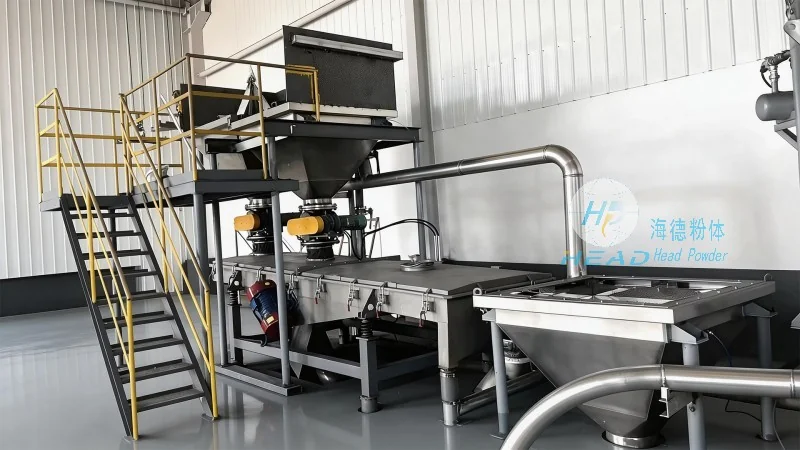
Detailed Operation Process
The operation process of the glass fiber powder pneumatic conveying machine involves several sequential steps that ensure smooth and continuous material transfer. Initially, the glass fiber powder is loaded into the hopper, where it is stored and prepared for transport. The hopper is equipped with a feeding mechanism, such as a rotary valve or screw feeder, which controls the flow of material into the conveying line. As the material enters the line, it is mixed with compressed air, creating a slurry-like mixture that is then propelled through the pipeline. The air pressure and velocity are carefully controlled to maintain a stable flow, preventing blockages and ensuring uniform distribution of the powder. The conveying line may include bends, expansions, or other components, which are designed to minimize pressure loss and maintain the integrity of the material. At the discharge end, the material is separated from the air, typically through a cyclone separator or filter, and collected in a receiving container. The system is operated by a control panel that monitors key parameters such as pressure, flow rate, and temperature, allowing for real-time adjustments to optimize performance.
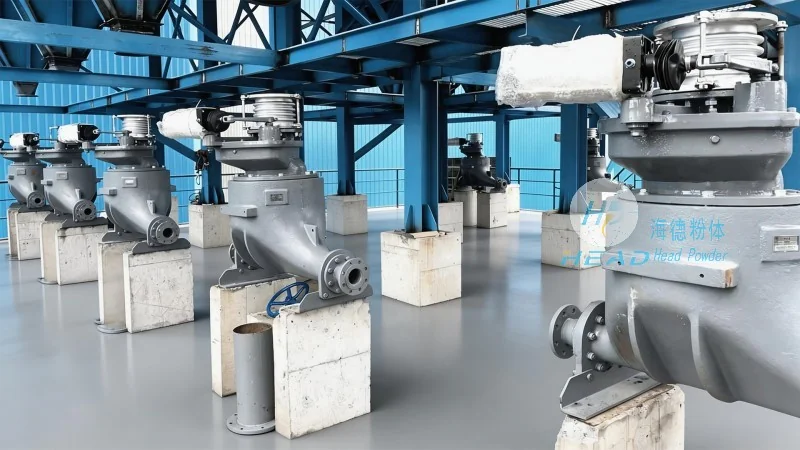
Working Principle Explained
The working principle of the glass fiber powder pneumatic conveying machine is based on the fundamental concept of pneumatic transport, where material is moved by the force of moving air. The system operates by creating a pressure differential between the inlet and outlet of the conveying line. Compressed air is introduced into the hopper, where it mixes with the glass fiber powder, reducing the particle size and creating a fluidized mixture. This mixture is then accelerated by the air flow and transported through the pipeline. The air acts as a carrier, carrying the powder particles along the path of least resistance. The velocity of the air is critical; it must be sufficient to overcome the gravitational forces acting on the particles and maintain a stable suspension. The system may use either positive pressure (where air is blown into the material) or negative pressure (where air is drawn from the material), depending on the specific application and material characteristics. In the case of glass fiber powders, positive pressure is often preferred due to the abrasive nature of the material, which can cause wear on equipment components. The design of the conveying line, including the diameter and length, is optimized to balance pressure loss and material transport efficiency, ensuring that the system operates within safe and efficient parameters.
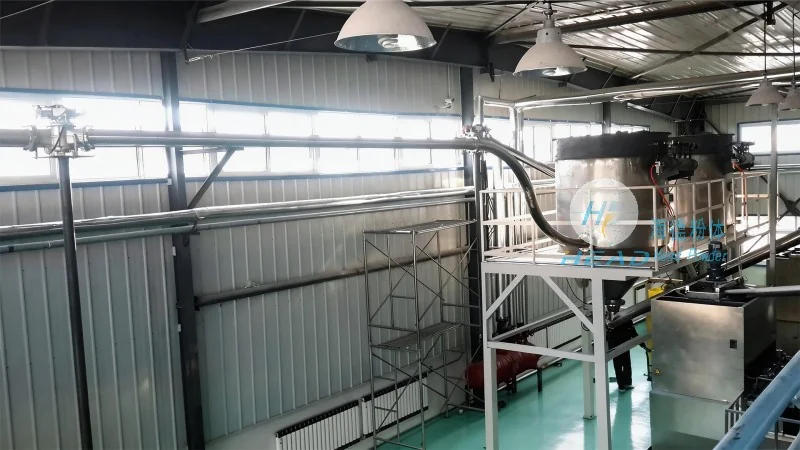
Technical Specifications and Application Considerations
Technical specifications of the glass fiber powder pneumatic conveying machine vary based on the specific model and application requirements. Key parameters include the maximum conveying capacity, which can range from a few kilograms per hour to several tons per hour, depending on the system size and air pressure. The air pressure requirements typically range from 0.5 to 1.5 bar, with higher pressures used for longer or more complex conveying lines. The system may also feature adjustable speed controls and variable air flow settings to accommodate different material types and processing conditions. When selecting a pneumatic conveying system for glass fiber powders, several factors must be considered, including the particle size distribution, moisture content, and bulk density of the material. These factors influence the air flow rate and pressure needed for effective transport. Additionally, the system's durability and resistance to wear are critical, as glass fibers can cause significant abrasion on metal components. HeadPowder's machines are constructed with high-quality materials, such as stainless steel and wear-resistant coatings, to extend their service life and minimize maintenance costs. The company also offers customization options to tailor the system to specific industrial processes, ensuring optimal performance and efficiency.
Conclusion and Contact Information
In conclusion, the glass fiber powder pneumatic conveying machine from Shandong HeadPowder Engineering Co., Ltd. is a highly effective solution for transporting glass fiber powders in industrial settings. By combining advanced engineering, robust design, and precise control mechanisms, the system ensures efficient, reliable, and safe material handling. HeadPowder's commitment to quality and innovation has made them a leading provider in the field, with their products widely used in various industries, including manufacturing, construction, and chemical processing. For businesses seeking to improve their material handling processes, the glass fiber powder pneumatic conveying machine represents a valuable investment that enhances productivity and reduces operational costs. Contact HeadPowder for more information about their range of pneumatic conveying systems and how they can meet your specific industrial needs.