

Operation Process and Working Principle of Hydrogen Sulfide Pneumatic Conveying Equipment
Hydrogen sulfide (H₂S) is a highly toxic and corrosive gas commonly encountered in industrial settings, particularly in the processing of sulfur-containing materials. The safe and efficient handling of H₂S is crucial for industrial operations, and pneumatic conveying systems offer a reliable solution for transporting this hazardous material. This article provides an in-depth exploration of the operation process and working principle of hydrogen sulfide pneumatic conveying equipment, highlighting the key components, operational steps, and technical considerations involved in its application.
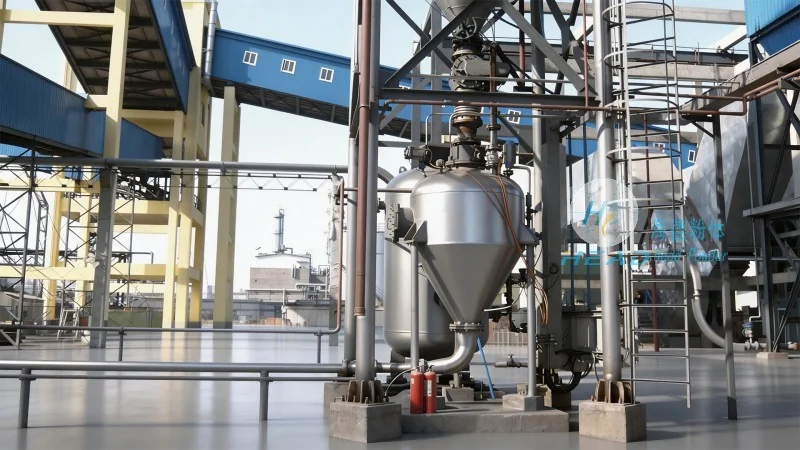
Overview of Hydrogen Sulfide Pneumatic Conveying Systems
Hydrogen sulfide pneumatic conveying systems are designed to transport H₂S from its source to a designated destination, such as a storage tank or processing unit, while maintaining safety and minimizing exposure risks. These systems typically consist of several core components, including a material feed hopper, a rotary airlock valve, a conveying line, a dust collector, and a control system. The system operates by using compressed air to create a flow that propels the H₂S particles through the pipeline, ensuring a continuous and controlled transfer process.
Key Components and Their Functions
The effectiveness of a hydrogen sulfide pneumatic conveying system relies on the proper functioning of its key components. The material feed hopper is responsible for storing the H₂S material and regulating the flow rate into the system. The rotary airlock valve acts as a seal between the hopper and the conveying line, preventing backflow and maintaining a consistent material feed. The conveying line, usually made of corrosion-resistant materials such as stainless steel or special alloys, transports the H₂S particles under pressure. A dust collector is often integrated to capture any fine particles or vapors, ensuring compliance with environmental regulations and improving safety. The control system monitors and adjusts the air pressure, flow rate, and material feed to maintain optimal operation.
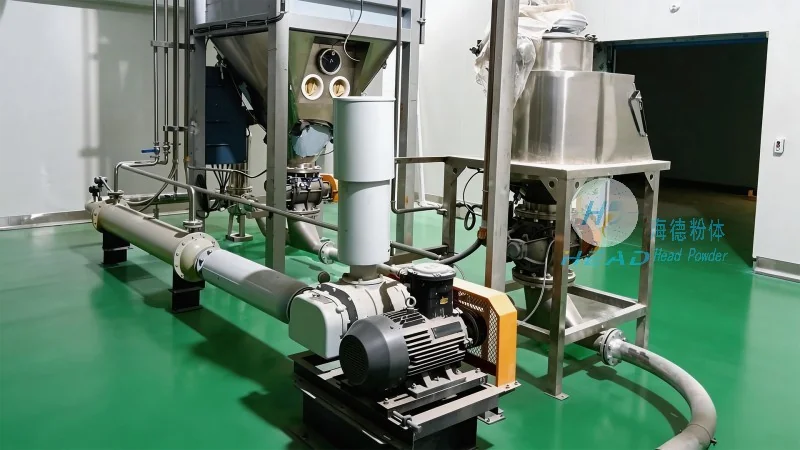
Operation Process of Hydrogen Sulfide Pneumatic Conveying Equipment
The operation process of hydrogen sulfide pneumatic conveying equipment involves several sequential steps to ensure safe and efficient material transfer. First, the H₂S material is loaded into the feed hopper. The rotary airlock valve then opens to allow the material to enter the conveying line as compressed air is introduced. The air pressure, typically ranging from 0.5 to 1.5 bar, creates a positive pressure that propels the material through the pipeline. The material travels through the conveying line to the destination, where it is discharged into a storage tank or processing unit. The system continuously monitors the pressure and flow rates to maintain a stable operation, with the control system adjusting parameters as needed to prevent blockages or over-pressurization.
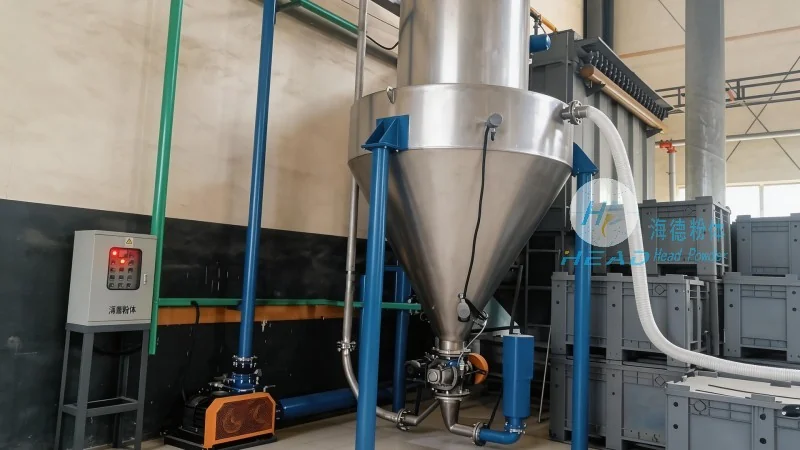
Working Principle of the Pneumatic Conveying Mechanism
The working principle of hydrogen sulfide pneumatic conveying equipment is based on the principles of fluid dynamics and particle transport. When compressed air is introduced into the conveying line, it creates a high-velocity flow that entrains the H₂S particles. The air and particles form a mixture known as a "slurry" or "pneumatic stream," which moves through the pipeline. The key to efficient conveying is achieving a balance between the air velocity and the particle size and density. If the air velocity is too low, the particles may settle and cause blockages; if it is too high, excessive energy consumption and particle degradation may occur. The system's design, including the diameter of the conveying line and the air pressure, is optimized to achieve the optimal air-particle ratio for the specific H₂S material being transported.
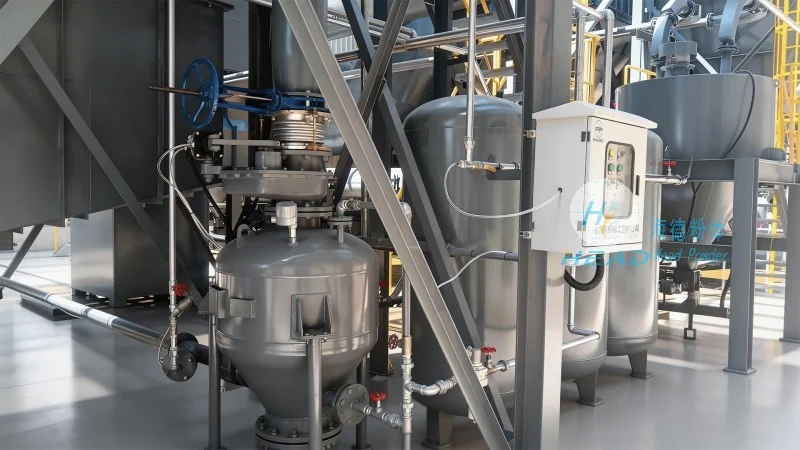
Safety and Operational Considerations
Due to the hazardous nature of hydrogen sulfide, safety is a paramount concern in the operation of pneumatic conveying systems. Proper ventilation and gas detection systems are essential to prevent accumulation of H₂S in the workplace. The equipment must be constructed from materials that are resistant to corrosion and chemical attack, such as stainless steel or specialized alloys, to ensure long-term durability and safety. Regular maintenance and inspection of the system are critical to identify and address any potential issues, such as leaks or blockages, before they lead to safety incidents. Additionally, the control system should include safety features like pressure relief valves and emergency shut-off mechanisms to protect operators and the environment.
About Shandong HeadPowder Engineering Co., Ltd.
Shandong HeadPowder Engineering Co., Ltd., operating under the brand name headpowder, is a leading manufacturer of industrial conveying equipment, including hydrogen sulfide pneumatic conveying systems. With headquarters in Shandong, China, the company specializes in designing and manufacturing customized solutions for the safe and efficient handling of hazardous materials. Headpowder's expertise lies in integrating advanced technology with robust engineering to deliver reliable and durable equipment that meets the stringent safety and performance requirements of industrial applications. The company's commitment to quality and customer satisfaction has established it as a trusted partner in the industry, providing comprehensive support from design and installation to maintenance and after-sales service.