

Operation Process and Working Principle of Positive Pressure Dilute Phase Pneumatic Conveying
Positive pressure dilute phase pneumatic conveying is a widely used method for transporting bulk materials in industrial settings. This technology involves the use of compressed air to move particles through a pipeline system, offering advantages such as high efficiency, flexibility, and the ability to handle a variety of materials. The process relies on the principle of creating a positive pressure environment within the conveying line, which ensures that the material is continuously transported from the source to the destination without the need for mechanical components like conveyors or elevators.
Key Components and System Setup
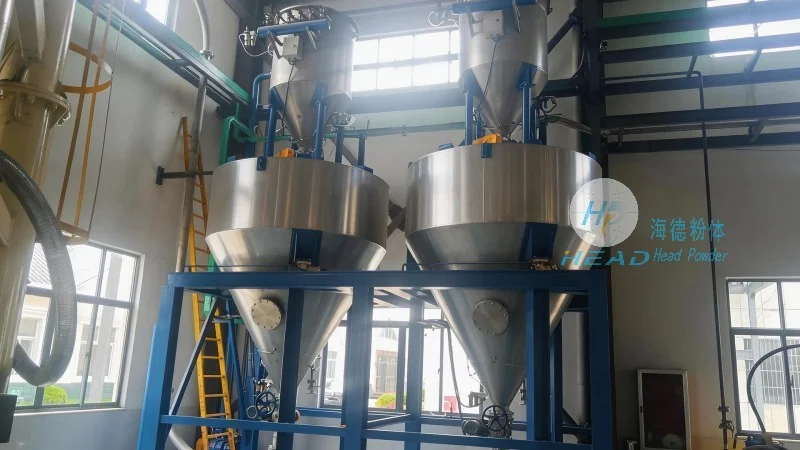
The system typically consists of several key components, including a blower or compressor to generate the necessary air pressure, a hopper or feeder to introduce the material into the system, a conveying line to transport the material, and a receiver or discharge point to collect the material at the end of the line. The blower is responsible for supplying the compressed air, which is then mixed with the material in the hopper to form a slurry or suspension. The feeder ensures a consistent flow of material into the system, preventing blockages and maintaining system efficiency. The conveying line is usually made of metal or plastic, with appropriate diameters and bends to accommodate the material's characteristics and the required conveying distance.
Operation Process: Step-by-Step
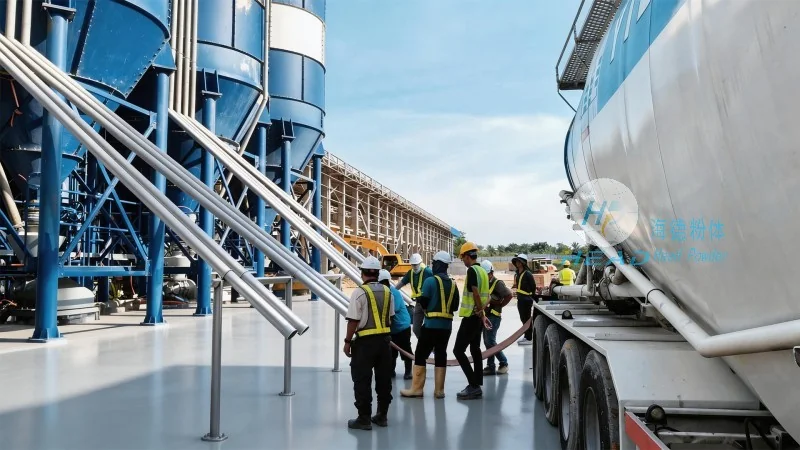
The operation of a positive pressure dilute phase pneumatic conveying system can be broken down into several key steps. First, the material is loaded into the hopper or feeder. The feeder then releases the material into the conveying line, where it is mixed with the compressed air from the blower. The air and material mixture travels through the pipeline at high velocity, ensuring that the material is fully suspended and transported efficiently. The system maintains a positive pressure throughout the conveying line, which prevents air leakage and maintains the flow of material. At the receiving end, the material is separated from the air, typically through a cyclone or filter, and collected in the receiver. The air is then discharged to the atmosphere or recirculated back to the blower, depending on the system design.
Working Principle: How It Works
The working principle of positive pressure dilute phase pneumatic conveying is based on the principle of fluidization and suspension. The compressed air creates a low density environment within the conveying line, which allows the material particles to be suspended in the air stream. The velocity of the air is maintained above the minimum fluidization velocity of the material, ensuring that the particles remain in suspension and are transported without settling. The positive pressure in the system ensures that the material is continuously pushed forward, overcoming any resistance in the pipeline. The system's efficiency depends on several factors, including the air pressure, material properties, conveying distance, and system design. Proper selection of these parameters is crucial for optimal performance and minimal energy consumption.
Advantages and Applications
Positive pressure dilute phase pneumatic conveying offers several advantages over other material handling methods. It is suitable for transporting a wide range of materials, including powders, granules, and bulk solids. The system is flexible and can be easily adapted to different conveying distances and layouts. It is also relatively low maintenance, as it does not require moving parts like belts or chains. The technology is widely used in industries such as food processing, pharmaceuticals, chemicals, and mining. Applications include transporting raw materials to processing units, moving finished products to storage or packaging areas, and handling hazardous or difficult-to-handle materials.
About Shandong HeadPowder Engineering Co., Ltd.
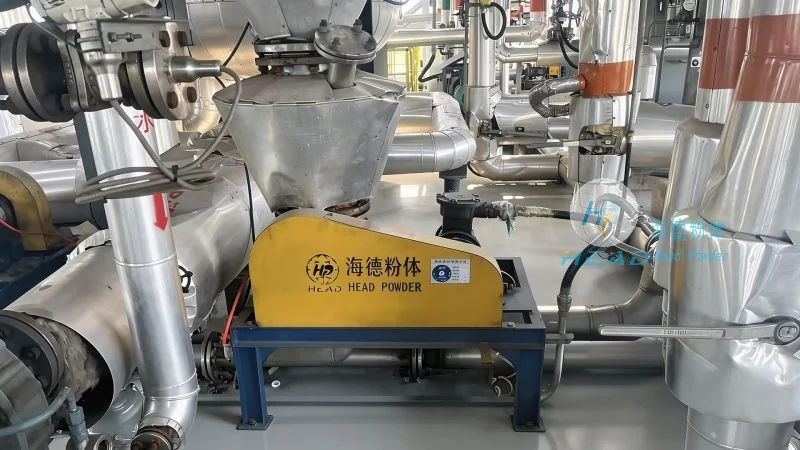
Shandong HeadPowder Engineering Co., Ltd., commonly known as headpowder, is a leading manufacturer and supplier of pneumatic conveying systems and related equipment. With a focus on innovation and quality, the company has established itself as a trusted partner in the industry, providing customized solutions for various material handling needs. Headpowder's products are designed to meet the highest standards of performance, reliability, and safety, ensuring that customers can operate their systems efficiently and effectively. The company's team of experts provides comprehensive support, from system design and installation to maintenance and after-sales service, helping clients optimize their material handling processes and improve overall productivity.
Conclusion
Positive pressure dilute phase pneumatic conveying is a highly effective and efficient method for transporting bulk materials. With its ability to handle a wide range of materials and its flexibility in system design, it is an ideal solution for many industrial applications. Shandong HeadPowder Engineering Co., Ltd. offers advanced solutions and expert support to help clients implement and maintain these systems, ensuring optimal performance and long-term success in their material handling operations.