

Principle and Working Scene Characteristics of Barium Sulfate Material Pneumatic Conveying System
Barium sulfate, commonly known as heavy spar or barytes, is a widely used industrial material in sectors such as pharmaceuticals, coatings, and ceramics. Efficient handling and transportation of barium sulfate are vital for production efficiency and product quality. Pneumatic conveying systems offer reliable solutions with advantages in flexibility, cleanliness, and safety. This article explores the fundamental principles of barium sulfate material pneumatic conveying systems and highlights key working scene characteristics, providing insights into practical applications.
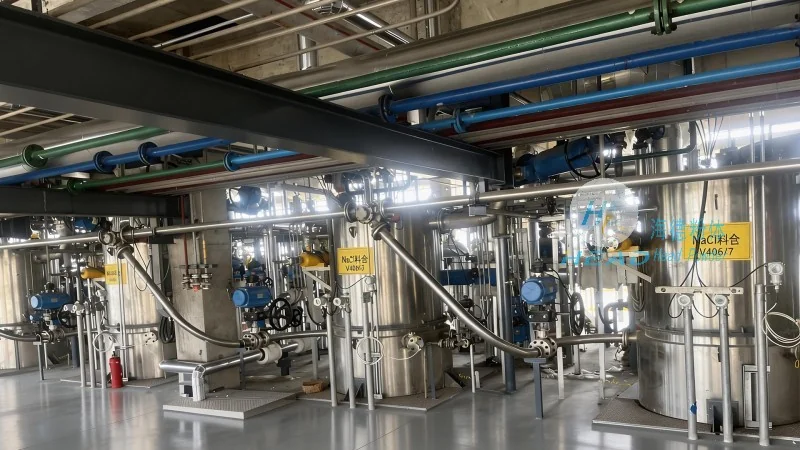
Company Profile: Shandong HeadPowder Engineering Co., Ltd.
HeadPowder, a professional material handling solutions provider, specializes in designing and manufacturing advanced pneumatic conveying systems tailored to barium sulfate and bulk material needs. Committed to innovation and quality, the company has established itself as a trusted partner in bulk material transportation. HeadPowder's systems ensure optimal performance, minimal downtime, and cost-effective operation, supporting clients in achieving production goals.
Principle of Pneumatic Conveying Systems for Barium Sulfate
Pneumatic conveying systems use air or gases to transport solid materials through pipelines. For barium sulfate, the system entrains particles via air flow, moving them from source to destination. Two main types exist: dilute phase (higher air velocity, suspended particles) and dense phase (lower velocity, compacted material). Selection depends on material properties, distance, and flow rate requirements. The core principle involves creating a flow that carries the material, with variations in velocity and pressure to suit different operational needs.
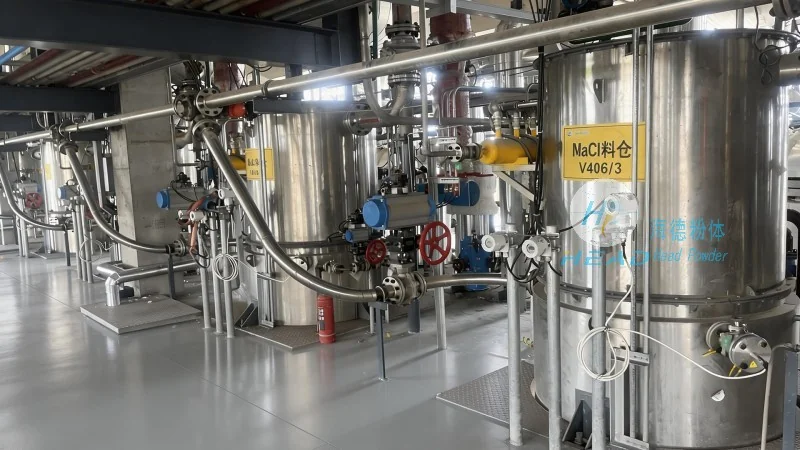
Working Scene Characteristics of Barium Sulfate Pneumatic Conveying Systems
The working scenes of barium sulfate pneumatic conveying systems vary by application and environment. In pharmaceutical manufacturing, systems meet strict hygiene and contamination control standards, using enclosed pipelines, filtration, and automated feeding to maintain product purity. In coatings, systems integrate with mixing equipment for seamless transfer from storage to production lines. Key characteristics include high precision, low dust generation, and compatibility with processing conditions. Monitoring and control technologies optimize performance, while considerations like space constraints, environmental regulations, and scalability for future expansions are critical. These scenes emphasize reliability, safety, and adaptability to diverse industrial settings.
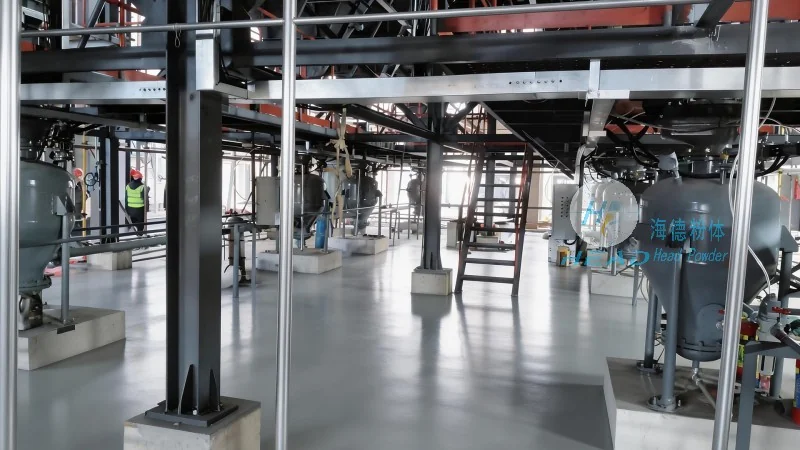
Key Features and Advantages in Practical Applications
Barium sulfate pneumatic conveying systems offer several advantages. Closed system operation minimizes dust exposure and enhances workplace safety. Flexibility in pipeline layout (horizontal, vertical, inclined) suits facility designs. The systems handle varied material sizes and moisture content, making them versatile for different barium sulfate grades. Low maintenance and energy efficiency reduce long-term operational costs. Integration with silos, hoppers, and mixers creates comprehensive material handling solutions. These features ensure reliable, efficient transportation, supporting smooth industrial processes and overall operational excellence.
Conclusion and Practical Implications
In summary, barium sulfate material pneumatic conveying systems are essential for efficient and safe handling. Their principles, combined with tailored working scene characteristics, meet industry-specific demands. Companies like Shandong HeadPowder Engineering Co., Ltd. provide reliable systems that enhance production efficiency, maintain product quality, and ensure compliance with standards. Practical implications extend to operational sustainability, contributing to excellence in bulk material handling across various industrial sectors.