

Principle and Working Scene Characteristics of Pneumatic Conveying for Activated Carbon Materials
Shandong HeadPowder Engineering Co., Ltd., a leading provider in the field of material handling solutions, specializes in the design, manufacturing, and implementation of advanced pneumatic conveying systems tailored for activated carbon materials. With a focus on efficiency, reliability, and adaptability, our company has established itself as a trusted partner for industries requiring precise and effective material transport. This article delves into the fundamental principles of pneumatic conveying for activated carbon, alongside an exploration of the distinct working scene characteristics that define its application in various industrial settings.
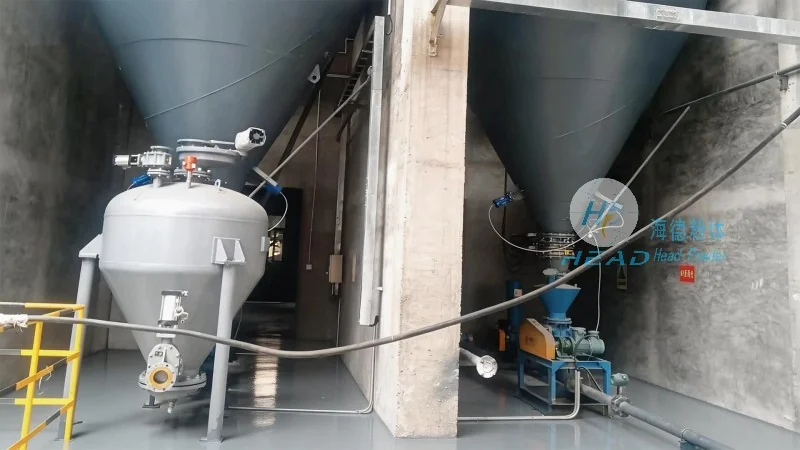
Introduction to Pneumatic Conveying for Activated Carbon
Activated carbon, widely used in air purification, water treatment, and industrial processes, often requires specialized handling due to its granular nature and potential for dust generation. Pneumatic conveying offers a non-contact, dust-free method to transport these materials, ensuring safety and maintaining product integrity. The technology involves the use of air or gas to move solid particles through a pipeline, eliminating the need for mechanical components like belts or buckets that may cause contamination or wear. This approach is particularly advantageous for activated carbon, which is sensitive to moisture and contamination, making traditional bulk handling methods less suitable.
Core Principles of Pneumatic Conveying
The fundamental principle of pneumatic conveying is the utilization of air flow to create a pressure differential that propels solid particles. There are two primary types of pneumatic conveying systems: air-swept (or suction) and pressure systems. In air-swept systems, a vacuum is created at the material source to draw the carbon particles into the pipeline, while in pressure systems, compressed air is used to push the material from a storage vessel. Both methods rely on the interaction between the air and the particles, governed by principles of fluid dynamics and particle mechanics. The efficiency of the system depends on factors such as particle size, density, moisture content, and the design of the conveying line, including the use of bends, filters, and separators to maintain flow and prevent blockages.
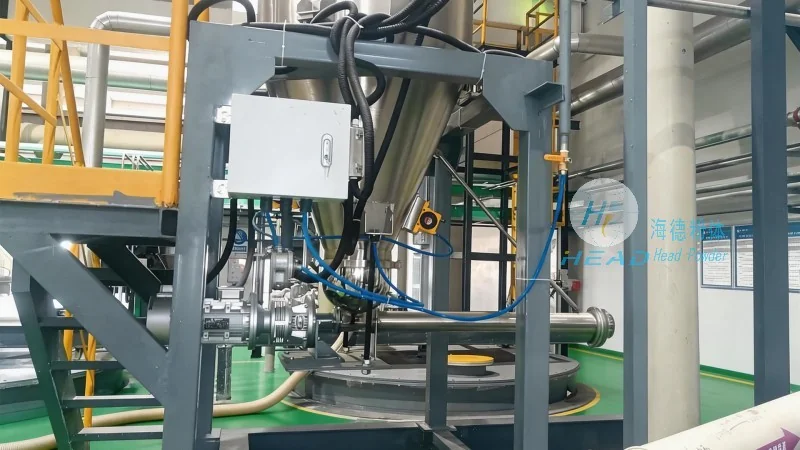
Working Scene Characteristics of Pneumatic Conveying for Activated Carbon
The application of pneumatic conveying for activated carbon is characterized by several key working scene features that reflect its suitability for diverse industrial environments. Firstly, the system is highly adaptable to different production scales, from small-scale laboratory operations to large-scale industrial plants, allowing for flexible integration into existing workflows. Secondly, the non-contact nature of the process ensures that the activated carbon remains free from contamination, which is critical for applications such as in pharmaceuticals or food processing where purity is paramount. Thirdly, the system offers significant advantages in terms of space efficiency, as it eliminates the need for large storage silos or conveyor belts, making it ideal for facilities with limited floor space. Additionally, the ability to handle materials in a dust-free environment enhances workplace safety, reducing the risk of respiratory issues and improving overall operational hygiene.
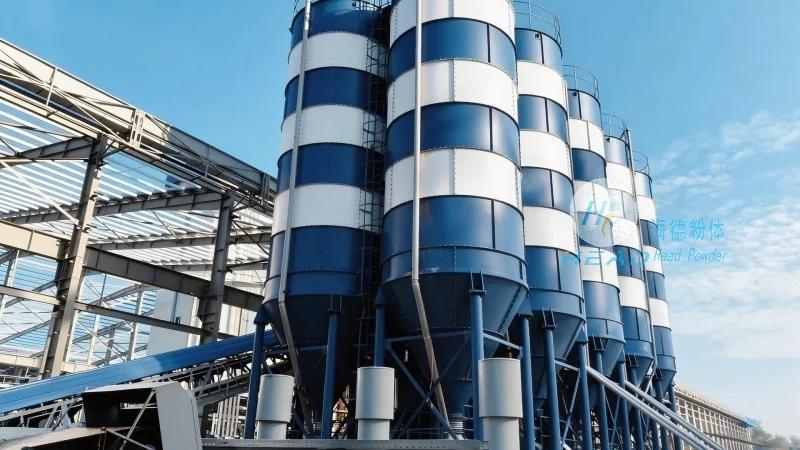
Industrial Applications and Operational Efficiency
Pneumatic conveying systems for activated carbon are widely employed in various industrial sectors, including environmental treatment, chemical processing, and energy production. In air purification systems, for example, the technology is used to transport activated carbon from storage to filtration units, ensuring a continuous supply of clean material. In water treatment plants, it facilitates the transfer of carbon from regeneration tanks to the filtration process, optimizing the treatment efficiency. The operational efficiency of these systems is enhanced by advanced control technologies, such as variable frequency drives and real-time monitoring, which allow for precise adjustment of air flow and pressure to maintain optimal conveying conditions. This results in reduced energy consumption, lower maintenance costs, and increased overall productivity, making pneumatic conveying a cost-effective solution for activated carbon handling.
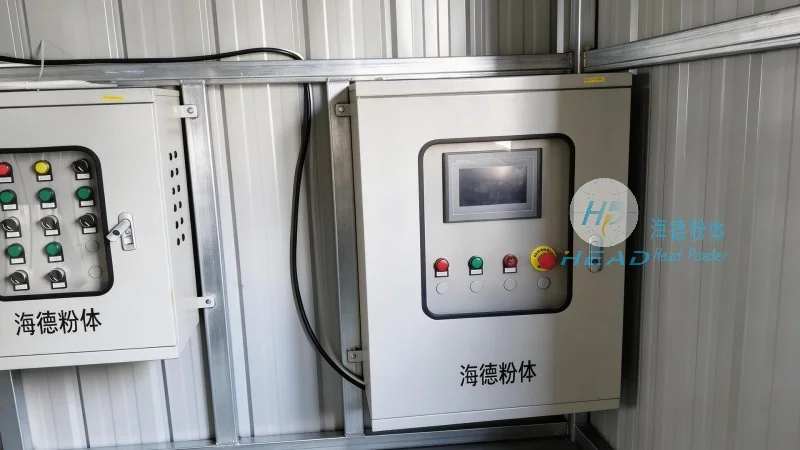
Advantages and Considerations in Practical Implementation
Implementing pneumatic conveying for activated carbon offers several advantages, including improved material handling safety, reduced downtime due to fewer mechanical failures, and enhanced product quality. However, certain considerations must be addressed to ensure successful operation. The selection of the appropriate conveying type (suction or pressure) depends on the specific application, with suction systems being more suitable for long-distance transport and pressure systems for shorter, high-volume operations. Additionally, the design of the pipeline, including the use of appropriate bends and filters, is crucial to prevent particle accumulation and maintain consistent flow. Regular maintenance, such as cleaning filters and inspecting pipeline components, is essential to prevent system inefficiencies and extend the lifespan of the equipment. By addressing these factors, industries can maximize the benefits of pneumatic conveying while minimizing potential challenges.
Conclusion
Shandong HeadPowder Engineering Co., Ltd. continues to innovate in the development of pneumatic conveying systems tailored for activated carbon materials, providing customized solutions that meet the unique needs of each industrial application. By leveraging advanced engineering principles and practical experience, our company ensures that the principles of pneumatic conveying are applied effectively, resulting in efficient, reliable, and safe material transport. The working scene characteristics of these systems, combined with their adaptability and efficiency, make them an indispensable component of modern industrial operations, particularly in sectors where activated carbon plays a critical role in process optimization and environmental protection.