

Principle and Working Scene Characteristics of Nanometer Calcium Carbonate Powder Pneumatic Conveyin
HeadPowder, a leading enterprise in the field of powder processing technology, specializes in the design, manufacturing, and installation of advanced pneumatic conveying systems. This article delves into the fundamental principles and operational characteristics of pneumatic conveying lines specifically tailored for nanometer calcium carbonate powders, a critical material in various industrial applications. The focus is on how these systems enhance efficiency, ensure product integrity, and adapt to diverse industrial environments.
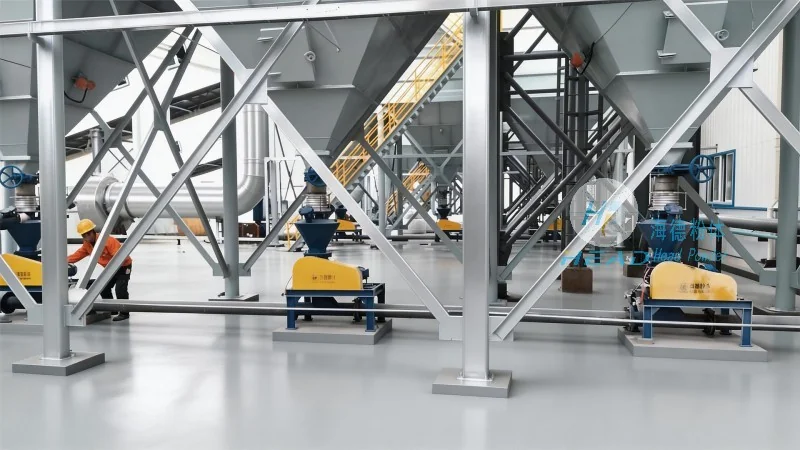
Principle of Pneumatic Conveying for Nanometer Calcium Carbonate
The core principle of pneumatic conveying involves transporting particulate materials, such as nanometer calcium carbonate, through a pipeline using a gas stream, typically air or other gases. There are two primary types of pneumatic conveying systems: positive pressure and negative pressure. In positive pressure systems, air is blown into the conveying line under pressure, pushing the powder forward. This method is suitable for long-distance and high-capacity transport. Negative pressure systems, on the other hand, use suction to draw the powder into the line, which is often preferred for short distances or when the material needs to be collected from multiple sources. For nanometer calcium carbonate, which is highly fine and prone to agglomeration, the choice of system and parameters (like air velocity, pressure, and pipe diameter) is crucial to maintain particle integrity and prevent blockages.
Key Components and Their Roles
A typical pneumatic conveying line for nanometer calcium carbonate consists of several key components, each playing a vital role in the overall operation. The main components include the material feed system, the conveying line (including pipelines and fittings), the air supply system (compressor and air treatment equipment), and the dust collection and separation system. The material feed system, often equipped with a rotary valve or a star feeder, ensures a consistent and controlled flow of the powder into the conveying line, preventing clogging and maintaining uniform particle distribution. The conveying line, made of materials resistant to corrosion and wear (such as stainless steel or special plastics), is designed to handle the abrasive nature of nanometer calcium carbonate. The air supply system provides the necessary pressure or suction, with air treatment equipment (like filters and dryers) ensuring the air quality is suitable to avoid contamination of the powder. The dust collection system, including cyclones or bag filters, captures any fine particles that may escape, maintaining environmental compliance and product purity.
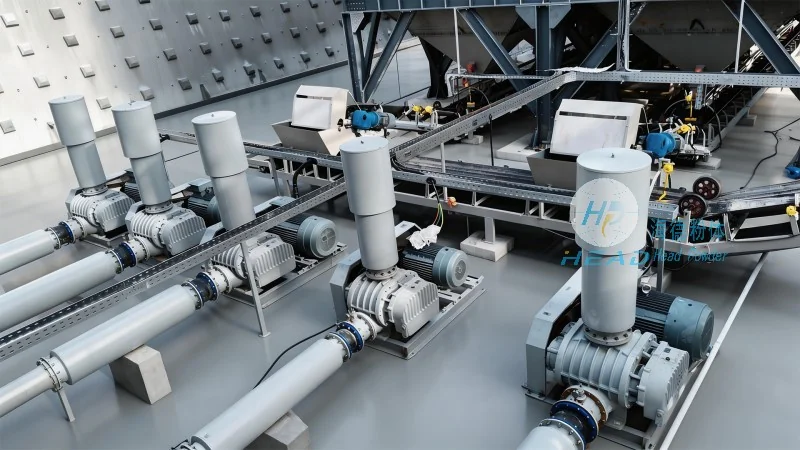
Working Scene Characteristics and Applications
The working scene characteristics of nanometer calcium carbonate pneumatic conveying lines are tailored to meet the specific demands of industrial processes. One of the primary characteristics is the high efficiency in material transport, which allows for continuous and automated operation, reducing labor costs and increasing production throughput. The systems are designed to handle high volumes of fine powders, making them ideal for large-scale production facilities. Another key characteristic is the ability to maintain product quality and purity. The enclosed pipeline system minimizes exposure to external contaminants, and the controlled air flow prevents moisture absorption or agglomeration, which could affect the powder's performance in downstream applications. In terms of working scene adaptability, these systems can be integrated into various industrial environments, from manufacturing plants to processing facilities, and can be customized to fit different space constraints and operational requirements. For example, in the production of coatings, plastics, or paper, nanometer calcium carbonate is often used as a filler or reinforcement, and the pneumatic conveying line ensures it is delivered to the processing equipment in a consistent and controlled manner. The systems are also designed to be flexible, allowing for changes in production scale or product specifications without major modifications.
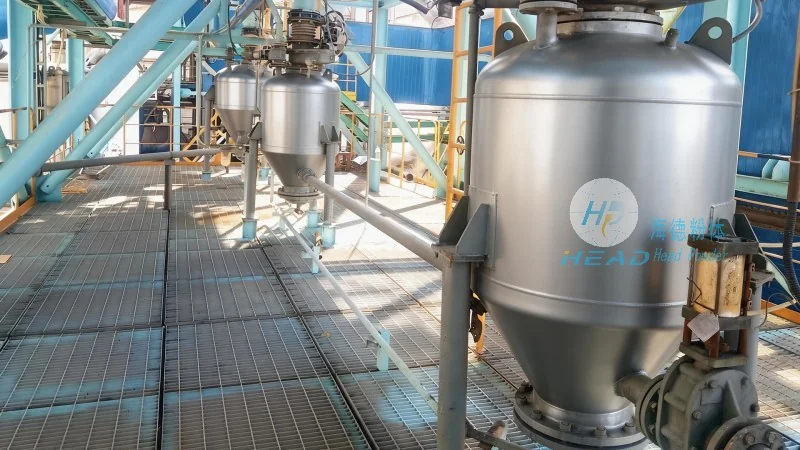
Advantages and Practical Considerations
Implementing a pneumatic conveying line for nanometer calcium carbonate offers several advantages. The most significant is the reduction in material handling time and labor, as the system automates the transport process. This leads to increased productivity and lower operational costs. Additionally, the enclosed system improves safety by containing dust and preventing exposure to workers, which is particularly important given the fine nature of nanometer calcium carbonate. From an environmental perspective, the system reduces the risk of dust pollution, contributing to a cleaner working environment. However, there are practical considerations to keep in mind. The initial investment for a pneumatic conveying system can be higher compared to traditional methods like bucket elevators or belt conveyors. Maintenance is also required, as components like compressors and filters need regular servicing to ensure optimal performance. Furthermore, the system's design must account for the specific properties of nanometer calcium carbonate, such as its particle size and flowability, to prevent issues like blockages or uneven flow. HeadPowder, with its expertise in powder processing, provides comprehensive solutions that address these considerations, ensuring the system operates efficiently and reliably.
Conclusion
In conclusion, the pneumatic conveying line for nanometer calcium carbonate is a sophisticated and efficient solution for transporting fine powders in industrial settings. By understanding the principles of pneumatic conveying and the specific characteristics of nanometer calcium carbonate, manufacturers can optimize their processes to enhance productivity, maintain product quality, and ensure operational safety. HeadPowder, as a trusted provider in this field, offers tailored solutions that meet the unique needs of each application, contributing to the success of industrial operations. The integration of advanced technology and careful system design ensures that these conveying lines are not only effective but also sustainable and adaptable to future industrial demands.