

Principle and Working Scene Characteristics of Titanium Dioxide Powder Pneumatic Conveying System
For industrial applications involving titanium dioxide powder, the pneumatic conveying system offers a reliable and efficient method for material transport. This article explores the fundamental principles behind such systems and highlights the key characteristics that define their performance in various working environments.
Principle of Titanium Dioxide Powder Pneumatic Conveying System
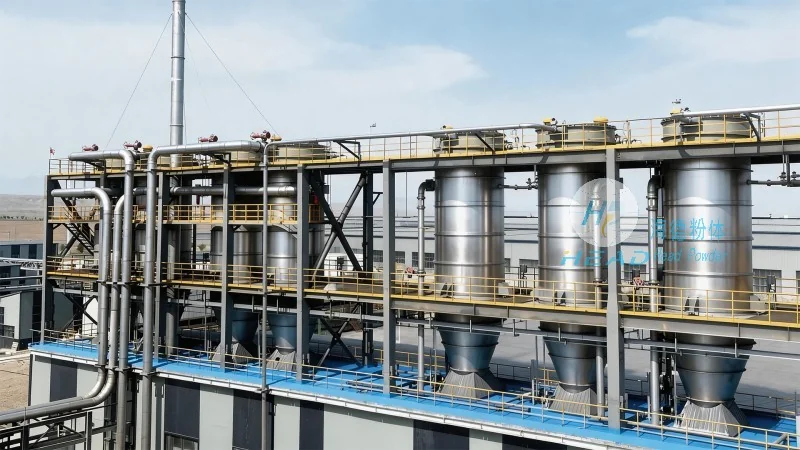
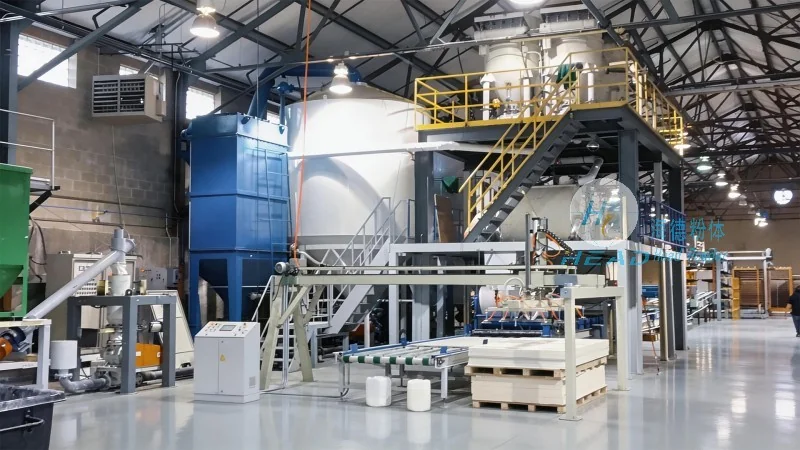
The pneumatic conveying system operates by utilizing air or other gas streams to transport particulate materials like titanium dioxide powder. The core mechanism involves creating a pressure differential or using suction to move the powder through a pipeline. In pressure-type systems, compressed air is introduced at the material inlet, while in suction-type systems, a vacuum is applied to draw the powder. The system typically consists of a hopper, a conveying line, and a discharge unit. The air flow rate and pressure are carefully controlled to ensure the powder is transported without clogging or degradation. This method is particularly effective for handling fine powders, as it minimizes product contamination and provides a closed-loop transport solution, enhancing safety and process control.
Working Scene Characteristics of Titanium Dioxide Powder Pneumatic Conveying System
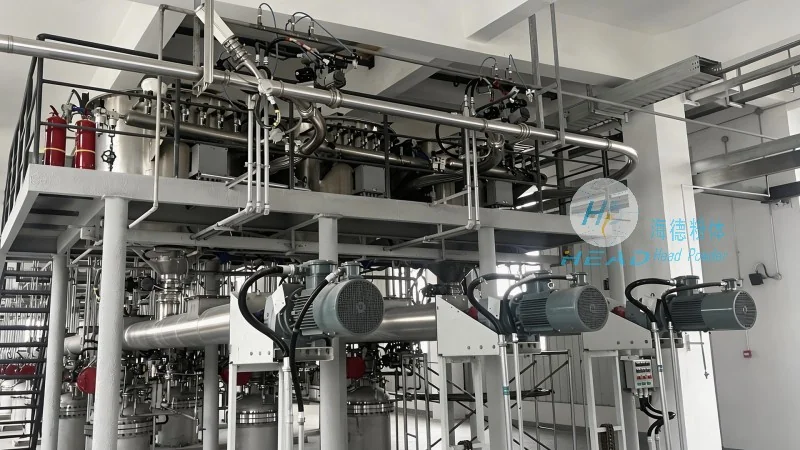
The performance of a pneumatic conveying system for titanium dioxide powder is influenced by several working scene characteristics. These include the particle size distribution, moisture content, and bulk density of the powder, which affect the air-powder ratio required for efficient transport. The system's design must account for the specific handling requirements of titanium dioxide, such as its high purity and the need to prevent agglomeration. In industrial settings, the system's scalability and integration with existing production lines are critical. For example, in a manufacturing plant, the system may need to connect multiple processing units, such as grinding, mixing, and packaging, to ensure a seamless material flow. The working scene also considers the environmental conditions, including temperature and humidity, which can impact the system's efficiency and the powder's properties. Additionally, the system's ability to handle varying throughput rates and maintain consistent material quality is essential for continuous production operations.
Company Profile: Shandong HeadPowder Engineering Co., Ltd.
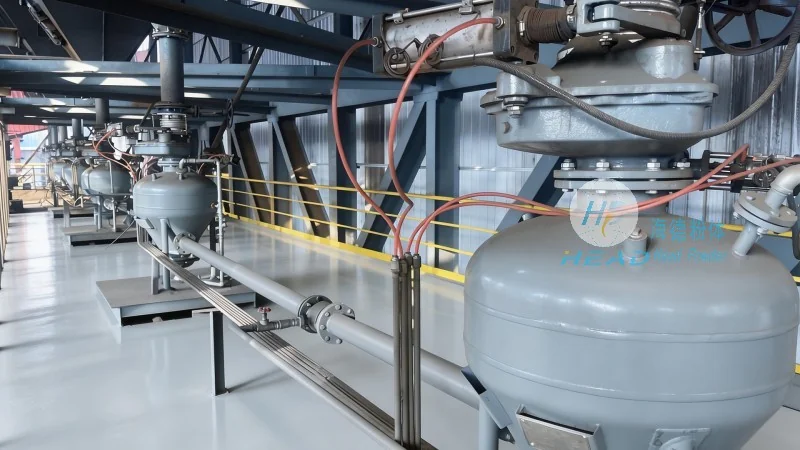
HeadPowder, a leading provider of engineering solutions for powder handling, specializes in the design and implementation of pneumatic conveying systems tailored to the needs of titanium dioxide manufacturers. With a focus on innovation and precision, the company offers customized solutions that enhance operational efficiency and product quality. HeadPowder's systems are engineered to meet the stringent requirements of the titanium dioxide industry, ensuring reliable transport of fine powders while maintaining high purity standards. The company's headquarters is located in Shandong, China, where it leverages local expertise and advanced manufacturing capabilities to deliver robust and durable equipment. By combining technical expertise with practical experience, HeadPowder supports clients in optimizing their powder handling processes and achieving sustainable production goals.