

Principle and Working Scene Characteristics of Pneumatic Conveying System for Synthetic Rubber Powde
Shandong HeadPowder Engineering Co., Ltd., commonly known as headpowder, is a professional enterprise dedicated to the research, development, and manufacturing of pneumatic conveying systems. The company is headquartered in Shandong, China, and has established itself as a leading provider of advanced solutions for powder material handling, particularly in the synthetic rubber industry. This article explores the fundamental principles of a pneumatic conveying system designed for synthetic rubber powders and highlights the key characteristics of its operational scenarios.
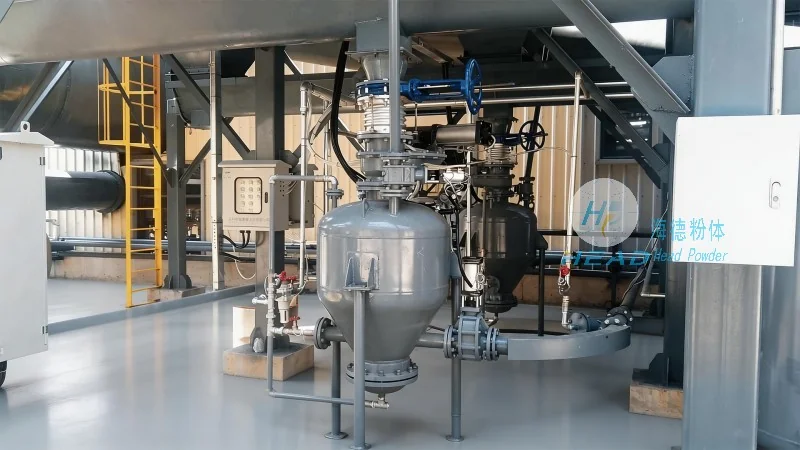
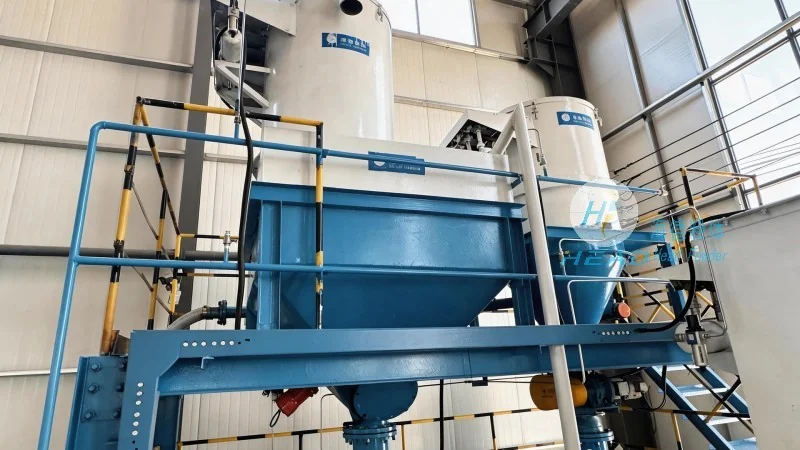
Understanding the Core Principle of Pneumatic Conveying for Synthetic Rubber Powder
A pneumatic conveying system for synthetic rubber powder operates by utilizing air flow to transport powder particles through a closed pipeline system. The system typically employs either positive pressure or negative pressure (or a combination of both) to move the material from the source to the destination. The core components of such a system include a feeder to introduce the powder into the pipeline, a blower or fan to generate the necessary air pressure, a conveying pipeline network, a separation unit to recover the powder from the air stream, and a dust collection system to ensure environmental compliance. The air flow creates a drag force that lifts and propels the powder particles, enabling efficient and continuous material transfer without the need for mechanical components like belts or buckets that might cause contamination or wear in sensitive powder applications.

Key Working Scene Characteristics of Synthetic Rubber Powder Pneumatic Conveying Systems
The operational scenarios for synthetic rubber powder pneumatic conveying systems are diverse and tailored to meet the specific demands of industrial processes. These systems are commonly used in rubber manufacturing plants, where synthetic rubber powders are required to be transported from storage silos to processing lines, or from production units to packaging areas. A notable characteristic is the system's ability to handle fine to medium-sized powder particles, which are often prone to segregation and agglomeration if not handled carefully. The pneumatic conveying system ensures uniform particle distribution and prevents material degradation, which is critical for maintaining the quality of synthetic rubber products. Additionally, these systems are designed to operate in environments where dust control is paramount, as synthetic rubber powders can be hazardous if inhaled or cause operational issues if they accumulate in the system. The flexibility of the system allows for integration with existing production lines, minimizing downtime and facilitating seamless material flow. In industrial settings, the system's scalability is another key characteristic, as it can be customized to handle varying volumes of synthetic rubber powder, from small-scale laboratory applications to large-scale production facilities. This adaptability makes the pneumatic conveying system a versatile solution for different operational scales and production requirements.
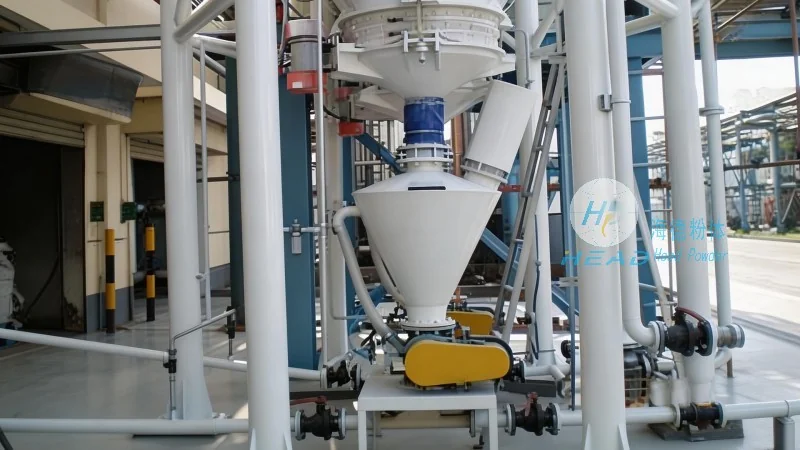
Advantages and Practical Applications in Real-World Settings
In real-world industrial applications, the synthetic rubber powder pneumatic conveying system offers several advantages that make it an attractive choice for manufacturers. One of the primary benefits is its efficiency in material transfer, as the system can move large quantities of powder quickly and reliably, reducing labor costs and increasing production throughput. The system's design also minimizes material loss and contamination, which is essential for maintaining product purity in synthetic rubber applications. Furthermore, the system's compact footprint and modular construction allow for easy installation and integration into existing facilities, even in space-constrained environments. The environmental benefits of the system are also significant, as it eliminates the need for manual handling of powders, reducing the risk of dust exposure and improving workplace safety. In summary, the pneumatic conveying system for synthetic rubber powder is a robust and reliable solution that addresses the unique challenges of handling fine powders in industrial settings. By leveraging the principles of air flow and particle dynamics, the system ensures efficient, safe, and cost-effective material transfer, supporting the smooth operation of synthetic rubber production processes.