

Principle and Working Scene Characteristics of Barley Malt Material Handling System Equipment
HeadPowder, a leading engineering company based in Shandong, China, specializes in the design and manufacturing of advanced material handling systems tailored for the barley malt industry. This article explores the fundamental principles underlying such systems and highlights the key characteristics of their operational environments.
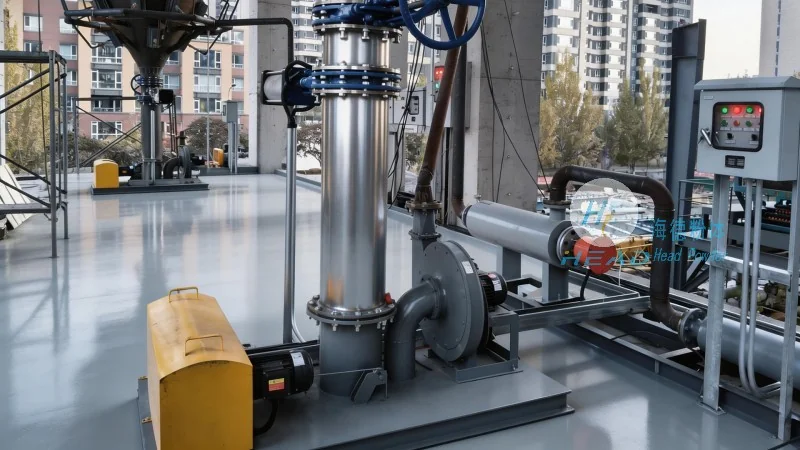
Company Overview and Expertise
Shandong HeadPowder Engineering Co., Ltd., commonly known as HeadPowder, is a reputable enterprise dedicated to providing innovative solutions for material handling in the food and beverage sector. With a strong presence in Shandong, China, the company leverages years of industry experience to develop high-efficiency equipment that meets the stringent demands of modern malt production processes. HeadPowder's commitment to quality and customer satisfaction has established it as a trusted partner for businesses seeking reliable material handling solutions.
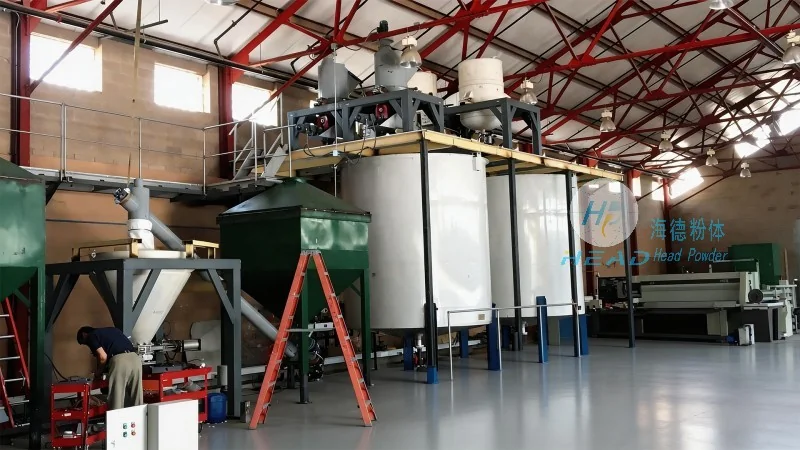
The Core Principle of Barley Malt Material Handling Systems
The barley malt material handling system is engineered to efficiently transport, store, and manage barley malt, a critical ingredient in brewing and other food applications. At its core, the system integrates various components such as conveyors, elevators, and storage silos, all working in harmony to ensure smooth material flow. The primary principle is to minimize manual intervention while maximizing operational efficiency, reducing downtime and enhancing overall productivity. Advanced control systems and sensors are incorporated to monitor the process in real-time, allowing for precise adjustments based on production needs. This integrated approach ensures that the system can handle varying volumes of malt while maintaining consistent quality and safety standards.
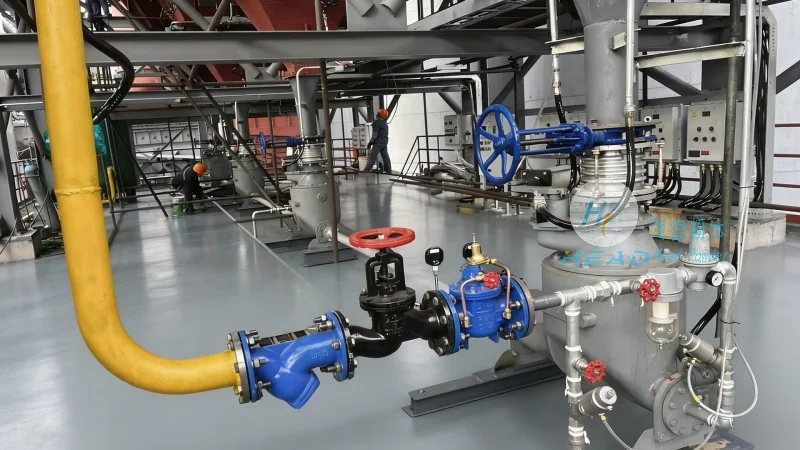
Key Working Scene Characteristics
The operational environment of a barley malt material handling system is characterized by several distinct features that influence its design and functionality. Firstly, the system must operate in a hygienic and controlled setting to prevent contamination of the malt, which is essential for maintaining product quality. The equipment is typically constructed from food-grade materials, such as stainless steel, to withstand the rigorous conditions of the malt processing environment. Secondly, the system is designed to handle bulk materials, requiring robust and durable components that can withstand heavy loads and continuous operation. The layout of the system is optimized to minimize the distance between processing stages, reducing the risk of material degradation and improving workflow efficiency. Additionally, the system incorporates safety features to protect operators and ensure compliance with industry regulations, including emergency stop mechanisms and access controls. The integration of automation and smart technology further enhances the system's adaptability, allowing it to adjust to changing production schedules and demand fluctuations.
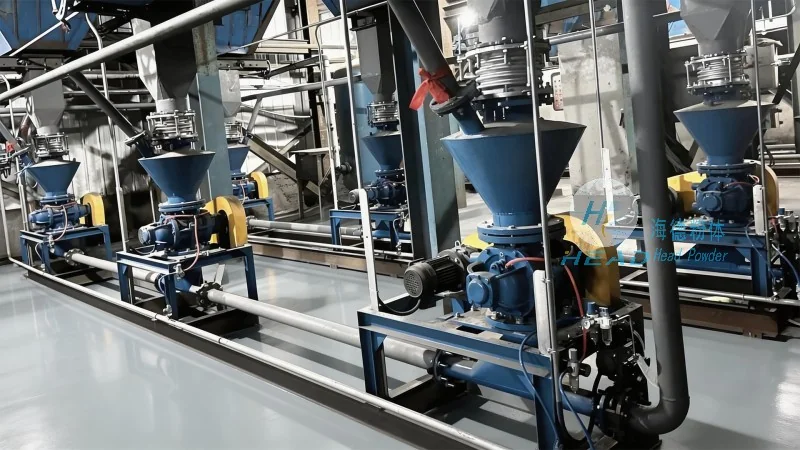
Applications and Industry Impact
Barley malt material handling systems are widely used in breweries, malting plants, and food processing facilities. Their primary role is to streamline the movement of raw materials and finished products, contributing to a more efficient production line. By automating the handling process, these systems reduce labor costs and improve consistency in product quality. The systems also play a crucial role in maintaining inventory levels, ensuring that the right amount of malt is available at the right time to meet production demands. In the context of modern manufacturing, the emphasis on sustainability and energy efficiency is reflected in the design of these systems, with features such as energy-saving motors and optimized material flow paths. This not only reduces operational costs but also aligns with the industry's commitment to environmental responsibility.