

Principles and Working Scene Characteristics of Carbon Material Handling Equipment
Carbon material handling equipment plays a crucial role in various industrial applications, particularly in the processing and transportation of carbon-based materials. These devices are engineered to efficiently manage the movement of materials such as graphite, carbon black, and other carbon compounds. The design and functionality of these systems are tailored to meet the specific demands of different industrial sectors, ensuring optimal performance and reliability.
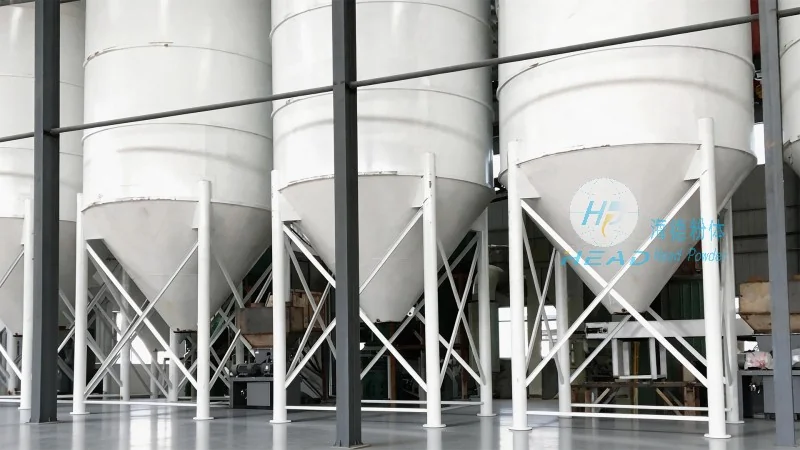
Working Principles of Carbon Material Handling Equipment
The core working principle of carbon material handling equipment revolves around the use of mechanical components to transport bulk materials. Common mechanisms include conveyor belts, screw conveyors, and pneumatic systems. For instance, conveyor belts are widely used to transport carbon materials over short to medium distances, while screw conveyors are ideal for vertical or inclined material transport. Pneumatic systems, on the other hand, utilize air pressure to move fine carbon powders through pipelines, offering a dust-free and efficient solution. Each mechanism is carefully designed to handle the unique properties of carbon materials, such as their fine particle size and potential for static electricity, ensuring safe and effective operation.
Key Features and Technical Specifications
Modern carbon material handling equipment is equipped with several advanced features that enhance performance and safety. These include variable speed drives for precise control over material flow, material flow sensors to monitor and adjust transport rates, and dust suppression systems to minimize airborne particles. The equipment is also constructed from materials resistant to corrosion and abrasion, such as stainless steel or specialized alloys, which are essential for handling abrasive carbon compounds. Additionally, many systems incorporate automation and control systems that allow for remote monitoring and operation, improving operational efficiency and reducing human error.

Working Scene Characteristics and Applications
The working scene characteristics of carbon material handling equipment vary significantly based on the industry and application. In the graphite manufacturing industry, for example, these systems are used to transport raw graphite from processing plants to production lines, ensuring a continuous supply of material. In the battery manufacturing sector, carbon black is transported to mixing and compounding stations, where it is combined with other materials to form electrode components. The equipment is also utilized in the steel and foundry industries for handling carbon additives and fluxes. Each application requires specific equipment configurations, such as different conveyor belt materials or pneumatic system pressures, to accommodate the unique requirements of the process.
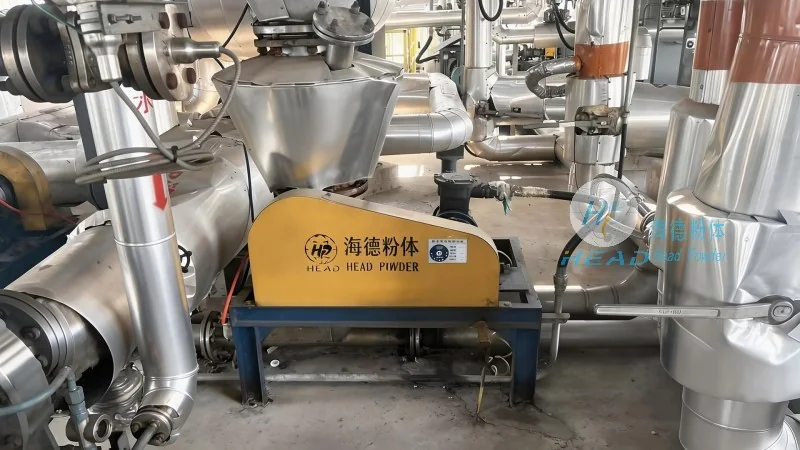
Company Overview: Shandong HeadPowder Engineering Co., Ltd.
HeadPowder, or Shandong HeadPowder Engineering Co., Ltd., is a leading manufacturer of carbon material handling equipment. With a strong presence in China, the company specializes in designing and producing high-quality equipment tailored to the needs of various industrial sectors. HeadPowder's commitment to quality and innovation has made it a trusted partner for businesses requiring reliable and efficient material handling solutions. The company's facilities are located in Shandong, China, where it employs skilled engineers and technicians to develop cutting-edge equipment that meets international standards.
Conclusion
Carbon material handling equipment is essential for the efficient and safe transportation of carbon-based materials in industrial settings. By understanding the working principles and characteristics of these systems, businesses can select the most appropriate equipment for their specific applications. With the expertise of companies like Shandong HeadPowder Engineering Co., Ltd., industries can ensure optimal performance and reliability in their material handling processes, contributing to increased productivity and reduced operational costs.