

Principle and Working Scene Characteristics of Chlorinated Polyethylene Powder Conveying Machine
Chlorinated polyethylene (CPE) is a widely used polymer material, and the efficient handling of CPE powder is crucial for industrial applications. The chlorinated polyethylene powder conveying machine, developed by Shandong HeadPowder Engineering Co., Ltd., is a specialized equipment designed to address the unique challenges associated with transporting CPE powder. This article explores the fundamental principles behind the operation of this machine and highlights its key working scene characteristics.
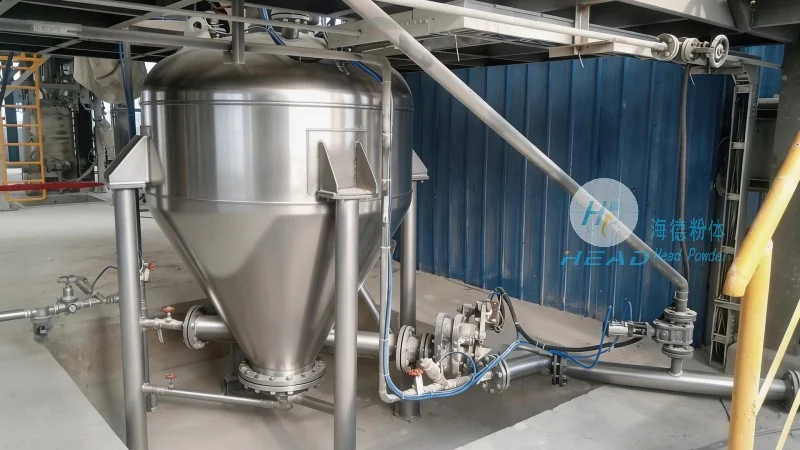
Overview of Chlorinated Polyethylene Powder Conveying Machine
HeadPowder Engineering Co., Ltd., based in Shandong, China, specializes in the design and manufacturing of advanced material handling solutions. The chlorinated polyethylene powder conveying machine is engineered to provide reliable and efficient transport of CPE powder in various industrial settings. This equipment is particularly valuable in processes where CPE powder needs to be moved from storage to processing units, or between different stages of production. The machine's design incorporates features that ensure minimal material loss, consistent flow rates, and compatibility with the chemical properties of CPE powder.
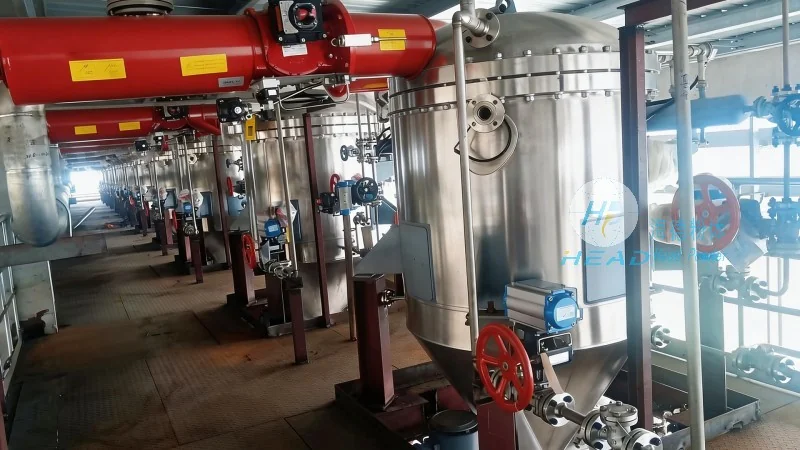
The Working Principle of the Conveying Machine
The core principle of the chlorinated polyethylene powder conveying machine is the utilization of a combination of mechanical and pneumatic systems to move powder material. The machine typically consists of a hopper for material storage, a feeding mechanism to control the flow of powder into the conveying line, and a conveying system that can be either pneumatic (air-assisted) or mechanical (such as screw or belt conveyors). The pneumatic system, for instance, uses compressed air to create a flow of air and powder mixture, while the mechanical system relies on rotating components to push the powder forward. The choice of system depends on the specific characteristics of the CPE powder, such as its density, moisture content, and flowability. In the case of CPE powder, which may have varying particle sizes and a tendency to agglomerate, the machine is equipped with features like agitators or vibrators to maintain a consistent flow and prevent blockages. The conveying process begins with the powder being fed from the hopper into the inlet of the conveying line. The feeding mechanism, often a rotary valve or a screw feeder, ensures a controlled and steady supply of material. The conveying system then transports the powder to the discharge point, where it is released into the next stage of the production process. The entire operation is controlled by a system of sensors and controls that monitor parameters such as pressure, flow rate, and temperature, ensuring optimal performance and preventing operational issues.
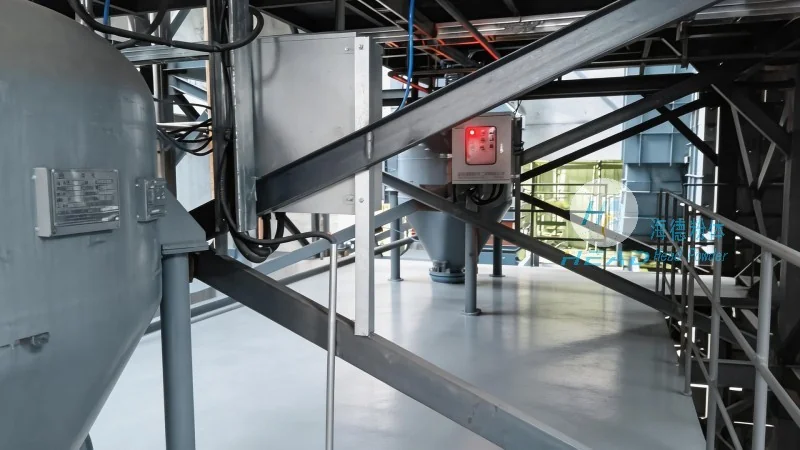
Key Working Scene Characteristics
The chlorinated polyethylene powder conveying machine is designed to operate effectively in diverse industrial environments. Its working scene characteristics are tailored to meet the demands of applications in sectors such as construction, automotive, and chemical manufacturing, where CPE powder is used as an additive or a raw material. One of the primary characteristics is its ability to handle CPE powder with different particle sizes and moisture levels. The machine's adjustable feeding and conveying speeds allow it to adapt to varying material conditions, ensuring consistent performance. Another important characteristic is its low maintenance requirements. The design incorporates durable components that are resistant to wear and corrosion, reducing the need for frequent repairs and downtime. The machine also features easy access points for cleaning and maintenance, which helps in maintaining hygiene standards, especially when handling materials that may have health or safety implications. In terms of safety, the machine is equipped with safety features such as emergency stop buttons and pressure relief valves to prevent accidents and ensure the well-being of operators. The noise level is also minimized through the use of soundproofing materials, making it suitable for use in environments where noise control is a priority. The energy efficiency of the machine is another notable characteristic. By optimizing the flow of air and powder, the system reduces energy consumption, leading to lower operational costs for the user. The machine's compact design allows it to be installed in spaces with limited room, making it suitable for both new and existing production lines. Its modular construction enables easy integration with existing systems, reducing the time and cost associated with installation. The reliability of the machine is further enhanced by its robust construction and the use of high-quality materials, ensuring long-term operation with minimal breakdowns. Overall, the working scene characteristics of the chlorinated polyethylene powder conveying machine make it a versatile and efficient solution for the handling of CPE powder in various industrial applications.
Application Scenarios and Benefits
The chlorinated polyethylene powder conveying machine is widely used in several industrial scenarios where the efficient transport of CPE powder is essential. In the construction industry, CPE powder is often used as an additive in polymer compounds for roofing membranes and waterproofing materials. The conveying machine facilitates the transport of CPE powder from storage silos to mixing units, ensuring a consistent supply of material for production. In the automotive industry, CPE powder is used in the manufacturing of automotive parts, such as interior components and exterior trim. The machine helps in moving the powder from raw material storage to the processing lines, improving the efficiency of the production process. In the chemical manufacturing sector, CPE powder is used as a raw material in the production of various chemicals and coatings. The conveying machine ensures the smooth transfer of CPE powder between different stages of the chemical process, enhancing productivity and reducing material loss. The benefits of using this machine in these applications include improved production efficiency, reduced labor costs, and enhanced product quality. The consistent flow of material reduces the risk of overloading or underloading in the processing units, leading to better control over the final product. The machine also helps in maintaining a clean and organized production environment by preventing dust and powder spillage. Additionally, the energy-efficient design of the machine contributes to lower operational costs, making it a cost-effective solution for industrial users. The reliability of the machine ensures minimal downtime, which is crucial for maintaining production schedules and meeting customer demands. Overall, the chlorinated polyethylene powder conveying machine offers significant advantages in terms of performance, efficiency, and cost-effectiveness for industries that rely on CPE powder as a key component.
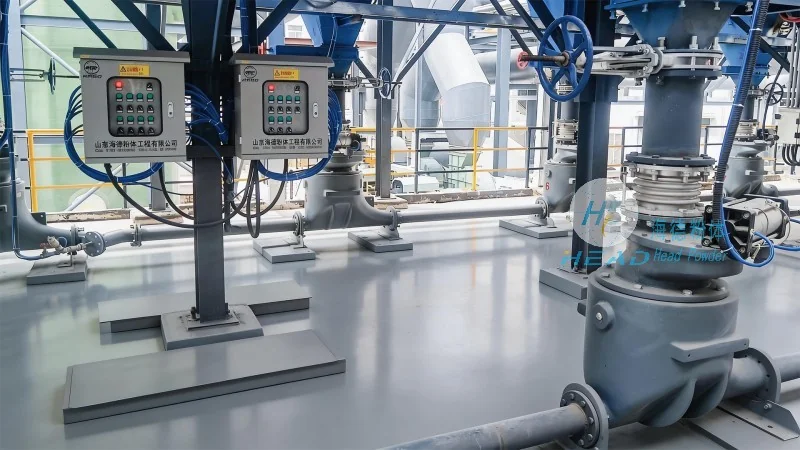
Conclusion
Shandong HeadPowder Engineering Co., Ltd. has developed a highly effective chlorinated polyethylene powder conveying machine that addresses the unique challenges of handling CPE powder in industrial settings. The machine operates based on a combination of mechanical and pneumatic principles, ensuring efficient and reliable transport of the material. Its working scene characteristics, including adaptability to varying material conditions, low maintenance requirements, and energy efficiency, make it a versatile solution for various industrial applications. The machine is widely used in sectors such as construction, automotive, and chemical manufacturing, where the efficient handling of CPE powder is critical. The benefits of using this equipment include improved production efficiency, reduced operational costs, and enhanced product quality. As a leading manufacturer in Shandong, China, HeadPowder Engineering Co., Ltd. continues to innovate and provide advanced material handling solutions that meet the evolving needs of the industry.