

Principle and Working Scene Characteristics of Copper Oxide Powder Conveying Machine
For industrial applications involving the handling of copper oxide powder, the selection of an appropriate conveying system is crucial for efficiency and safety. The copper oxide powder conveying machine, developed by Shandong HeadPowder Engineering Co., Ltd., is engineered to address the unique challenges associated with transporting this material. This article explores the fundamental principles behind the operation of such machines and highlights the key working scene characteristics that define their effectiveness in various industrial settings.

Understanding the Core Principle of Copper Oxide Powder Conveying Machines
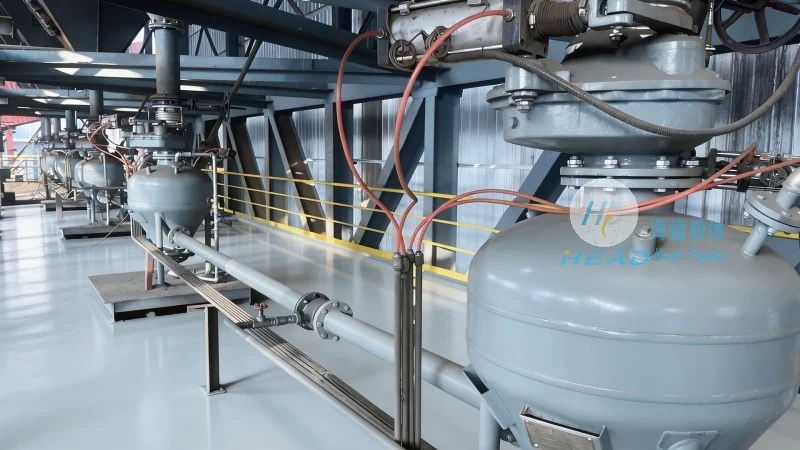
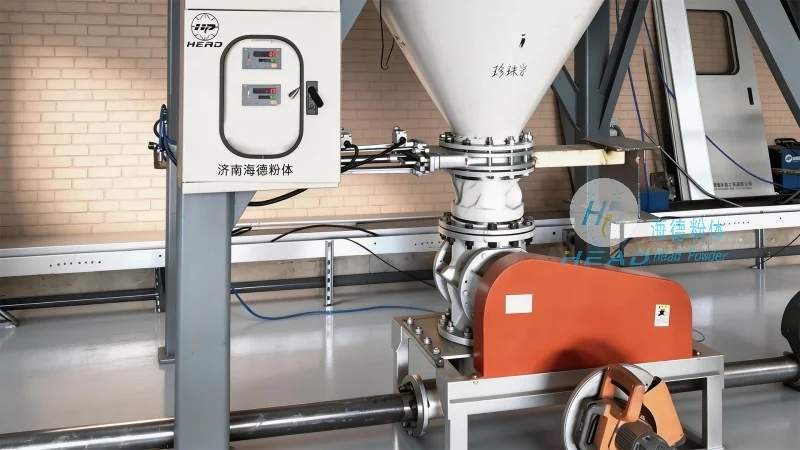
The operation of a copper oxide powder conveying machine is based on the principles of pneumatic or mechanical conveying, depending on the specific design. In many industrial applications, a combination of both methods is employed to achieve optimal performance. The machine typically consists of a hopper for material storage, a conveyor system (either a screw conveyor or a pneumatic pipeline), and control mechanisms to regulate the flow of the powder. The primary goal is to transport copper oxide powder from a storage area to a processing or packaging unit with minimal loss and maximum efficiency.
Key components of the conveying system include the feed hopper, which is designed to accommodate the bulk material and prevent clogging. The hopper is equipped with a discharge valve or gate that controls the flow rate. The conveyor mechanism, whether mechanical (e.g., a screw or belt conveyor) or pneumatic (using air pressure to move the powder through a pipeline), ensures that the copper oxide particles are moved along the desired path. The control system monitors parameters such as pressure, flow rate, and temperature to maintain consistent operation and prevent issues like blockages or material degradation.
Working Scene Characteristics of Copper Oxide Powder Conveying Machines
The effectiveness of copper oxide powder conveying machines is heavily influenced by the working environment and the specific requirements of the application. These machines are commonly used in industries such as mining, chemical processing, and pharmaceutical manufacturing, where copper oxide is a critical raw material. The working scene characteristics can be categorized into several key aspects:
Firstly, the material's properties play a significant role. Copper oxide is a fine powder with a relatively high density and potential for static charge accumulation. This means that the conveying system must be designed to prevent dust accumulation and ensure proper grounding to avoid static discharge, which could lead to safety hazards or material loss. The machine's design often includes anti-static features, such as conductive materials or grounding straps, to mitigate these risks.
Secondly, the scale of operation is a critical factor. In large-scale industrial settings, the conveying machine may need to handle high volumes of copper oxide powder, requiring robust construction and high-capacity components. The system may include multiple conveyors or a network of pipelines to distribute the material to various processing units. The efficiency of the conveying process is directly related to the throughput capacity, which is influenced by factors like the conveyor speed, hopper size, and pipeline diameter.
Thirdly, the environmental conditions in the working scene affect the performance of the machine. For instance, in environments with high humidity or temperature variations, the conveying system must be insulated or equipped with temperature control mechanisms to prevent moisture absorption or material caking. The machine's materials of construction, such as stainless steel or corrosion-resistant alloys, are chosen to withstand the chemical properties of copper oxide and the operating conditions.
Fourthly, the integration with other industrial equipment is a key characteristic. Copper oxide powder conveying machines are often part of a larger production line, connecting storage silos to processing units, or feeding material into reactors or mixers. The machine must be compatible with the existing infrastructure, including the control systems and material handling equipment. This integration ensures seamless operation and minimal downtime, which is essential for maintaining production efficiency.
Application Scenarios and Industry Impact
The working scene characteristics of copper oxide powder conveying machines make them suitable for a wide range of applications. In the mining industry, these machines are used to transport copper oxide from ore processing facilities to storage or shipping areas. In chemical processing, they play a vital role in moving the powder to reactors for further processing or to packaging lines for product distribution. The pharmaceutical industry also relies on such systems to handle copper oxide as an ingredient in medicinal formulations, where precision and cleanliness are paramount.
In each of these scenarios, the machine's ability to handle the material efficiently and safely is critical. The design of the conveying system, including the choice of conveyor type and the incorporation of anti-static and corrosion-resistant features, directly impacts the overall productivity and quality of the final product. The working scene characteristics, such as the scale of operation and environmental conditions, are carefully considered during the machine's design and installation to ensure optimal performance.
Conclusion
Shandong HeadPowder Engineering Co., Ltd. specializes in the design and manufacturing of copper oxide powder conveying machines that meet the diverse needs of industrial applications. By understanding the core principles of operation and the working scene characteristics, industries can select the most appropriate conveying system to enhance their production efficiency and ensure safety. The company's commitment to quality and innovation ensures that their machines are reliable and effective in handling copper oxide powder, contributing to the success of various industrial processes.