

Principle and Working Scene Characteristics of Dry Lime Powder Conveying Equipment
For industrial applications involving the transport of dry lime powder, specialized equipment is essential to ensure efficient and reliable material handling. This article explores the fundamental principles behind dry lime powder conveying machines, as well as the key characteristics of their operational environments. The focus is on the technology developed by Shandong HeadPowder Engineering Co., Ltd., a leading manufacturer based in China, whose expertise in powder handling solutions is recognized globally.
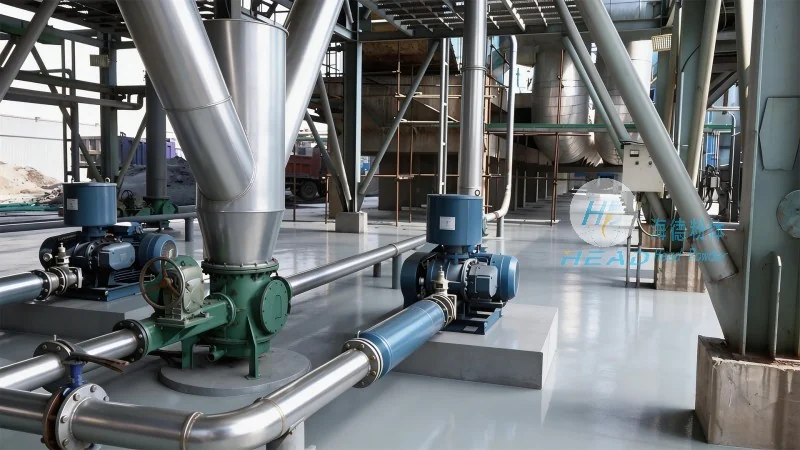
Company Introduction: Shandong HeadPowder Engineering Co., Ltd.
HeadPowder, a prominent player in the field of bulk material handling, is headquartered in Shandong, China. With a commitment to innovation and quality, the company has established itself as a trusted provider of conveying systems tailored to diverse industrial needs. Their products are designed to meet the rigorous demands of applications involving dry powders, including lime, cement, and other fine materials. The company's operational base in China allows for close collaboration with clients across various sectors, ensuring that solutions are both effective and adaptable to local conditions.
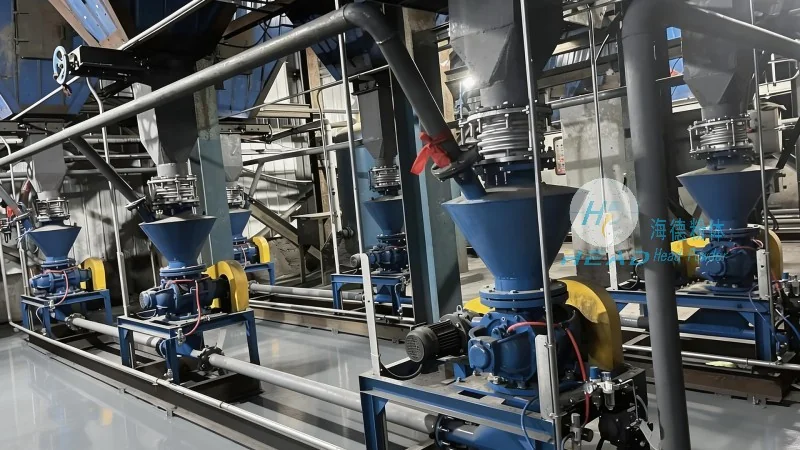
The Principle of Dry Lime Powder Conveying Machines
At the core of dry lime powder conveying systems is the use of pneumatic or mechanical methods to transport dry powders through a pipeline. The technology employed by HeadPowder's equipment typically involves a combination of air flow and pressure differentials to move the material from a source to a destination. The conveying process begins with the feeding of dry lime powder into a hopper or feeder, where it is then introduced into a duct or tube. A fan or blower generates the necessary airflow, which carries the powder particles through the system. The design of the conveying line, including the use of bends, valves, and filters, is critical to maintaining the efficiency and stability of the process. Key components include the feeding mechanism, the air delivery system, and the discharge equipment, all of which work in concert to ensure consistent and reliable transport of the dry lime powder.
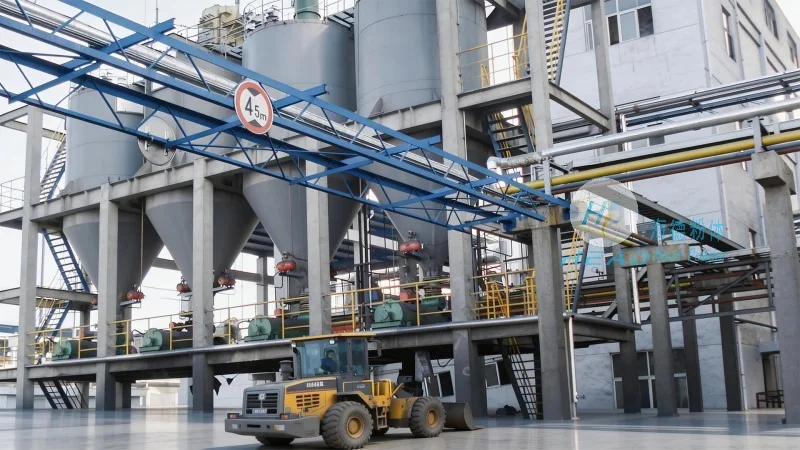
Working Scene Characteristics of Dry Lime Powder Conveying Equipment
The operational environments for dry lime powder conveying machines vary widely depending on the industry and application. In construction and building materials production, these systems are often used to transport lime from storage silos to mixing stations or production lines. The equipment must be capable of handling large volumes of material while maintaining low dust emissions and minimal product degradation. In chemical processing, the conveying of lime may be part of a larger material handling network that includes other powders and bulk materials. The working scene characteristics also include considerations such as the need for explosion-proof designs in certain environments, where the presence of combustible dust is a concern. Additionally, the equipment must be designed for easy maintenance and cleaning to prevent the buildup of lime deposits, which can affect performance over time. The adaptability of the conveying system to different operational conditions, such as varying particle sizes and moisture content, is a key characteristic that defines its effectiveness in diverse working scenarios.
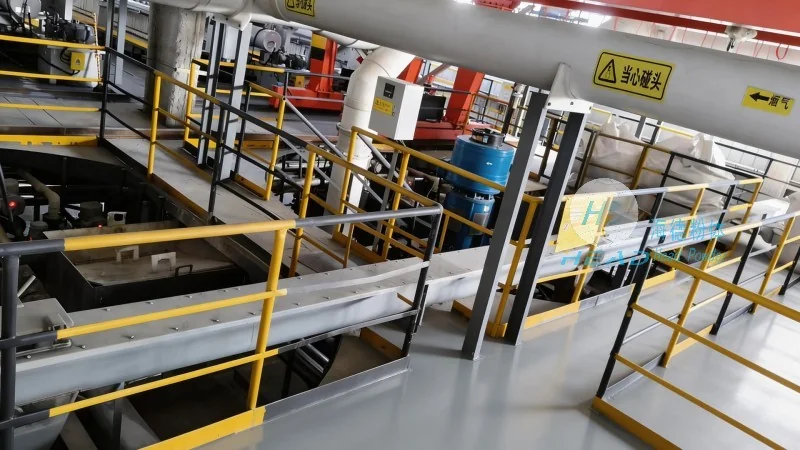
Key Features and Advantages in Practical Applications
When evaluating dry lime powder conveying machines, several features stand out as critical for successful implementation. The ability to handle high volumes of material with minimal energy consumption is a significant advantage, as it reduces operational costs and environmental impact. The system's design for low maintenance, including self-cleaning features and durable components, contributes to long-term reliability. Another important aspect is the control system, which allows for precise regulation of airflow and material flow, ensuring consistent product quality and preventing overloading or underloading of the conveying line. The flexibility of the equipment to accommodate different lime powder types, such as quicklime or hydrated lime, is also a key characteristic that enhances its utility across various applications. In summary, the combination of efficient material transport, low operational costs, and adaptability to diverse working conditions makes dry lime powder conveying machines an essential tool for industries relying on lime as a raw material.