

Principle and Working Scene Characteristics of Calcium Hydroxide Powder Pneumatic Conveying Lines
Shandong HeadPowder Engineering Co., Ltd., headquartered in Shandong, China, specializes in the design and implementation of advanced material handling systems. A key product in their portfolio is the calcium hydroxide powder pneumatic conveying line, a technology that efficiently transports calcium hydroxide powder through an air-driven system. This article delves into the fundamental principles behind this technology and highlights the specific characteristics of its operational environments.
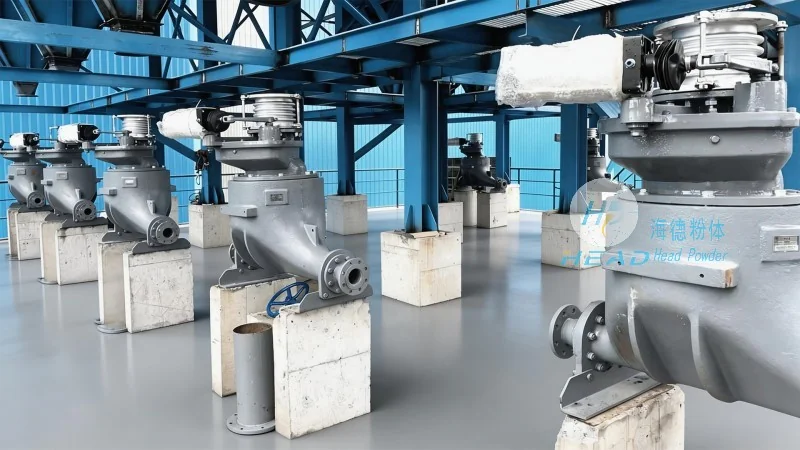
Understanding the Pneumatic Conveying Principle
The core of a calcium hydroxide powder pneumatic conveying line is the pneumatic transport mechanism, which utilizes air or other gases to move bulk materials like calcium hydroxide powder from one location to another. The system operates on the principle of creating a pressure differential between the conveying line and the ambient environment. By generating a higher pressure within the line, the material is drawn into the system and propelled through the pipeline. This method eliminates the need for mechanical components such as belts or screws, reducing maintenance requirements and enhancing operational efficiency.
In a typical setup, the calcium hydroxide powder is fed into a hopper or feeder, where it is then introduced into the conveying line. A fan or blower provides the necessary airflow, creating the pressure differential. The powder particles are suspended in the air stream and transported through the pipeline to the destination point, such as a storage silo or processing unit. The design of the conveying line—including the diameter of the pipes, the length of the run, and the number of bends—is critical to ensuring efficient and reliable transport. Properly sized and configured components minimize pressure drop and prevent material buildup or blockages, which are common issues in traditional bulk material handling.
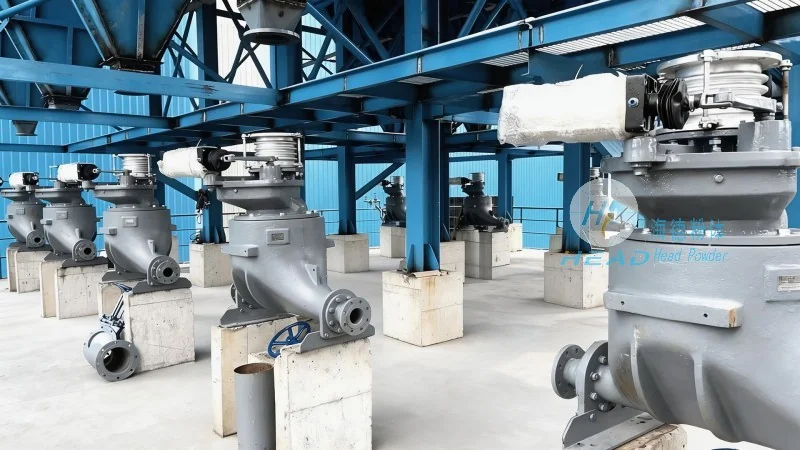
Key Working Scene Characteristics
The operational environment of a calcium hydroxide powder pneumatic conveying line is characterized by several key features that distinguish it from other material handling systems. First, the system is designed for the specific properties of calcium hydroxide powder, which includes its particle size, density, and flow characteristics. Calcium hydroxide, also known as slaked lime, is a fine powder that can be prone to bridging or caking if not handled properly. The pneumatic conveying line addresses these challenges by maintaining a consistent airflow and using appropriate equipment to prevent material accumulation.
Second, the working scene often involves applications in industrial settings where calcium hydroxide is used as a raw material in processes such as water treatment, construction, or chemical manufacturing. The conveying line is integrated into production lines, ensuring a continuous supply of the powder to processing equipment. This integration is crucial for maintaining production efficiency and minimizing downtime. The system's ability to handle large volumes of material at a steady rate makes it suitable for high-throughput operations.
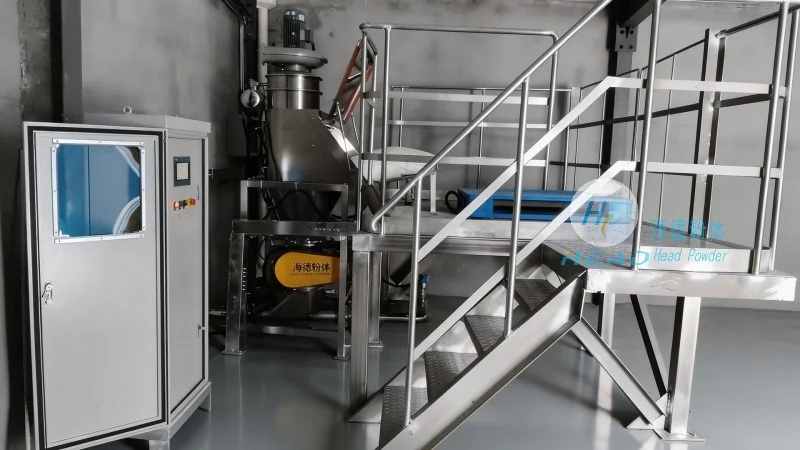
Third, the operational environment emphasizes safety and environmental considerations. Calcium hydroxide is a caustic material, and the conveying line is designed to contain dust and prevent exposure to workers. The use of sealed pipelines and proper ventilation systems reduces the risk of dust inhalation and ensures compliance with occupational health and safety regulations. Additionally, the system's energy efficiency is a key characteristic, as it minimizes energy consumption compared to other bulk handling methods, contributing to lower operational costs and reduced environmental impact.
Application-Specific Operational Considerations
When implementing a calcium hydroxide powder pneumatic conveying line, several operational considerations are essential for optimal performance. The choice of conveying system type—such as dilute phase or dense phase—depends on the specific application and material characteristics. Dilute phase systems are commonly used for long-distance or high-volume transport, as they rely on high airflow rates to keep the powder suspended. Dense phase systems, on the other hand, use lower airflow rates and higher pressure to move material in a more compact form, which is beneficial for applications requiring precise control over the material's flow rate.
The design of the feeding and discharge equipment is another critical aspect. The feeder must be capable of providing a consistent flow rate to match the system's requirements, while the discharge point must be designed to prevent material spillage and ensure smooth transfer to the next stage of the process. For calcium hydroxide powder, which can be abrasive, the use of wear-resistant materials in the pipeline and equipment components is necessary to extend the system's lifespan and maintain performance.
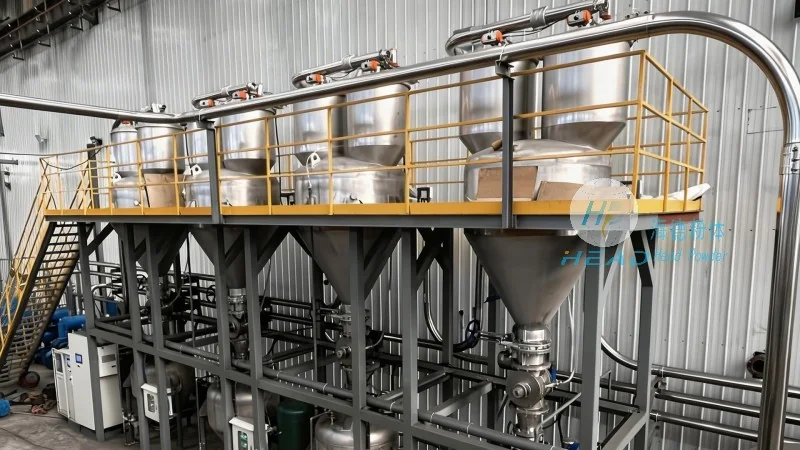
Monitoring and control systems are also integral to the operational environment. Modern pneumatic conveying lines often incorporate sensors and control panels that allow operators to monitor pressure, airflow, and material levels in real-time. This enables quick detection of issues such as blockages or pressure drops, allowing for immediate corrective action. The integration of automation in the system enhances reliability and reduces the need for manual intervention, further improving operational efficiency.
Conclusion
Shandong HeadPowder Engineering Co., Ltd. leverages advanced engineering principles to develop calcium hydroxide powder pneumatic conveying lines that meet the demands of modern industrial applications. By understanding the fundamental pneumatic conveying principles and tailoring the system to the specific characteristics of calcium hydroxide powder, the company ensures efficient, reliable, and safe material transport. The working scene characteristics, including the system's integration into production lines, its focus on safety and environmental compliance, and its energy efficiency, make it a preferred choice for industries relying on calcium hydroxide as a key raw material. As a result, the calcium hydroxide powder pneumatic conveying line represents a sophisticated solution for bulk material handling, offering significant advantages over traditional methods in terms of performance and operational benefits.