

Principle and Working Scene Characteristics of Desulfurization Fly Ash Pneumatic Conveying Equipment
Desulfurization fly ash, as a byproduct from flue gas desulfurization processes in power plants and industrial facilities, requires efficient handling and transportation. Pneumatic conveying systems have emerged as a reliable solution for transporting this fine particulate material over long distances or within complex plant layouts. This article explores the fundamental principles of pneumatic conveying equipment designed for desulfurization fly ash, along with the key working scene characteristics that define their application in industrial settings.
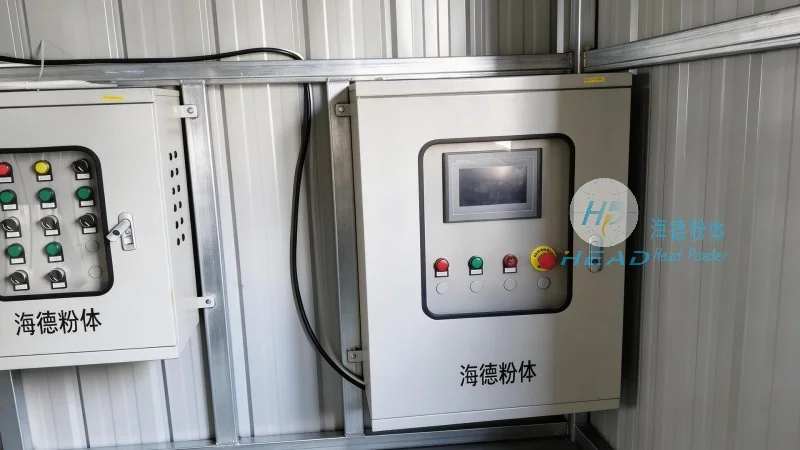
1. Fundamental Principles of Pneumatic Conveying for Desulfurization Fly Ash
The core principle of pneumatic conveying involves transporting solid particles through a pipeline using a gas stream, typically air or a combination of air and other gases. For desulfurization fly ash, which is characterized by its fine particle size (often ranging from 1 to 100 microns) and high moisture content, specialized equipment is required to ensure efficient and reliable transport. The primary mechanisms include pressure and vacuum conveying, each with distinct applications based on the distance, material properties, and system configuration.
Pressure conveying systems utilize a positive pressure air stream to push the fly ash through the pipeline. These systems are suitable for short to medium distances and can handle high material loads. The equipment typically includes a blower, a hopper for material storage, a feeder to control the flow rate, and a pipeline network. The pressure system ensures that the material is continuously moved, minimizing the risk of blockages and maintaining consistent flow rates. Vacuum conveying, on the other hand, uses a negative pressure to draw the fly ash into the pipeline, making it ideal for long-distance transport or when the material needs to be collected from multiple sources. This method is particularly effective for handling fly ash from multiple emission points within a facility.
Key components of the pneumatic conveying equipment for desulfurization fly ash include the air compressor or blower, which provides the necessary pressure or vacuum; the material feeder, such as a rotary valve or screw feeder, which regulates the flow of fly ash into the pipeline; the pipeline system, which may include bends, expansions, and filters to maintain material flow and prevent clogging; and the discharge equipment, such as a receiver or silo, where the fly ash is collected for further processing or disposal. The design of these components is critical to the overall efficiency and reliability of the system, as they must be able to handle the specific properties of desulfurization fly ash, including its fine particle size, which can lead to high friction and potential for agglomeration.
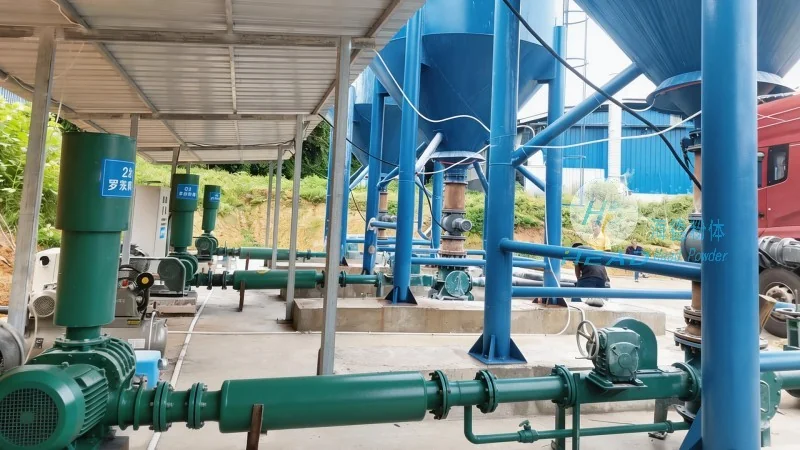
2. Working Scene Characteristics of Pneumatic Conveying Equipment
The application of pneumatic conveying equipment for desulfurization fly ash is defined by several working scene characteristics that influence system design and performance. These characteristics include the distance between the source and destination, the number of collection points, the material flow rate requirements, and the environmental conditions of the plant. Each of these factors plays a crucial role in determining the type of conveying system to use and the specific equipment configuration.
For short-distance transport within a power plant or industrial facility, pressure conveying systems are often preferred due to their simplicity and efficiency. These systems can handle high material loads and are less prone to blockages compared to vacuum systems. The working scene typically involves transporting fly ash from the desulfurization unit to a storage silo or a disposal site within the plant. The pipeline layout is usually straightforward, with minimal bends and a relatively low pressure requirement. The equipment used in this scenario includes a high-capacity blower, a large hopper to store the fly ash, and a rotary valve feeder to control the flow rate. The system is designed to maintain a consistent flow rate, ensuring that the fly ash is transported without interruption.
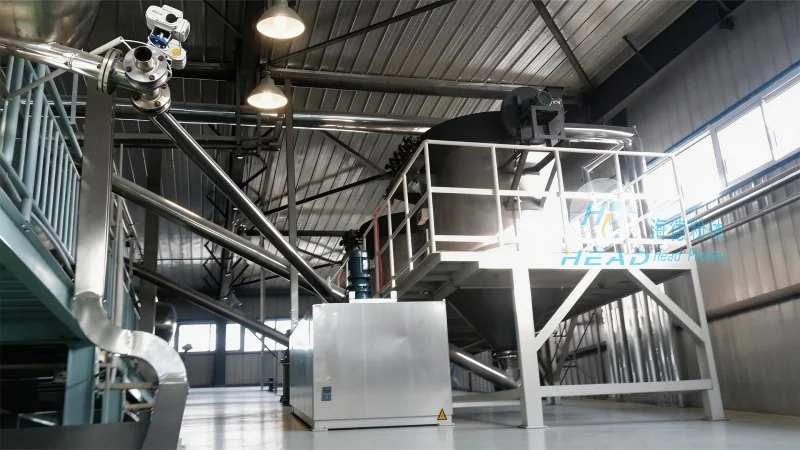
Long-distance transport, such as moving fly ash from a power plant to a remote disposal site or a recycling facility, requires more sophisticated vacuum conveying systems. The working scene in this case involves multiple collection points, as the fly ash may be generated from several units within the plant. The vacuum system is capable of drawing the fly ash from these points and transporting it over long distances without the need for intermediate storage. The pipeline network is more complex, with additional components such as filters and cyclones to remove moisture and fine particles that could cause blockages. The discharge equipment at the destination may include a silo or a conveyor system to transfer the fly ash to the next processing stage. The working scene characteristics for long-distance transport emphasize the need for high reliability and minimal downtime, as any interruption in the system can lead to significant operational issues.
Environmental conditions also play a significant role in the working scene characteristics of pneumatic conveying equipment for desulfurization fly ash. Power plants and industrial facilities often operate in harsh environments, with high temperatures, humidity, and dust levels. The equipment must be designed to withstand these conditions and maintain performance over time. For example, the blower and feeder components may be equipped with heat-resistant materials to prevent damage from high temperatures, and the pipeline may be insulated to reduce heat loss and prevent condensation. The filters and cyclones used in the system are also designed to handle high moisture content and fine particles, ensuring that the material is transported without clogging the system. The working scene characteristics in these environments require regular maintenance and monitoring to ensure the system operates efficiently and reliably.
3. Company Profile: Shandong HeadPowder Engineering Co., Ltd.
Shandong HeadPowder Engineering Co., Ltd., a leading provider of industrial equipment solutions, specializes in the design, manufacturing, and installation of pneumatic conveying systems for various industrial applications, including desulfurization fly ash handling. With years of experience in the industry, the company has developed a deep understanding of the unique challenges associated with transporting fine particulate materials like desulfurization fly ash. Their expertise lies in customizing equipment to meet the specific requirements of each client, ensuring optimal performance and reliability.