

Principle and Application Scenarios of Secondary Zinc Oxide Pneumatic Conveying
HeadPowder, a leading provider in the field of material handling solutions, specializes in advanced pneumatic conveying systems for various industrial applications. This article delves into the fundamental principles of secondary zinc oxide pneumatic conveying and highlights the key operational characteristics and typical work scenarios where such systems are most effectively utilized.
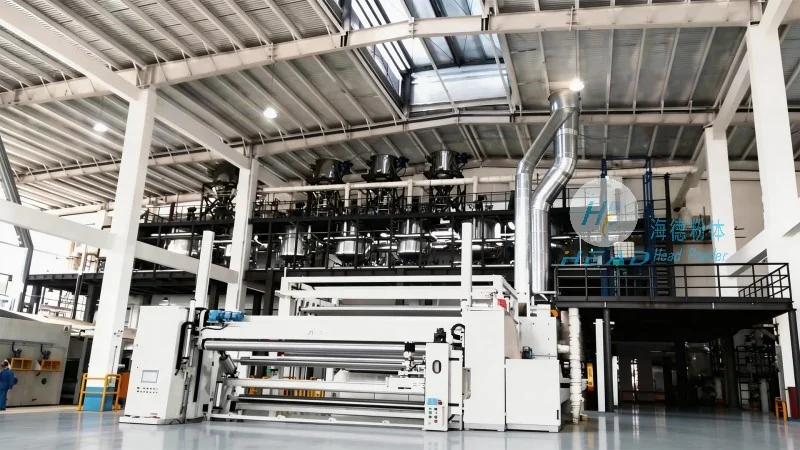
Introduction to Secondary Zinc Oxide Pneumatic Conveying
Secondary zinc oxide, a critical material in the chemical and pharmaceutical industries, requires efficient and reliable transport methods to maintain product quality and operational efficiency. Pneumatic conveying systems offer a solution that minimizes contamination risks, reduces material degradation, and enhances overall process safety. The core principle of pneumatic conveying involves the use of compressed air or other gases to transport bulk materials through a pipeline network. In the case of secondary zinc oxide, specialized equipment and design considerations are essential to handle the material's properties, such as its fine particle size and potential reactivity.
Key Principles of Pneumatic Conveying for Secondary Zinc Oxide
The pneumatic conveying process for secondary zinc oxide is based on several fundamental principles that ensure effective material transport. The primary mechanism involves creating a pressure differential between the conveying line and the ambient environment. This differential is achieved by either generating positive pressure (pressure conveying) or negative pressure (suction conveying) within the pipeline. For secondary zinc oxide, which is often sensitive to moisture and temperature fluctuations, the system design must prioritize maintaining stable conditions throughout the conveying process.
Another critical principle is the selection of appropriate air velocity and flow rates. The air velocity must be sufficient to overcome the gravitational forces acting on the particles and to prevent particle deposition or blockages in the pipeline. HeadPowder's engineering expertise ensures that the air velocity is optimized for the specific characteristics of secondary zinc oxide, such as particle size distribution and bulk density. This optimization is crucial for maintaining consistent flow rates and preventing system downtime due to clogging or material buildup.
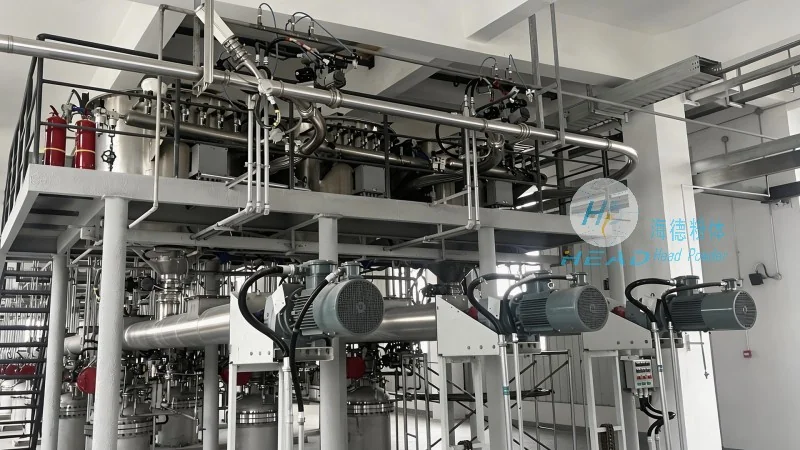
Work Scenarios and Operational Characteristics
Secondary zinc oxide pneumatic conveying systems are deployed in a variety of industrial settings, each with distinct operational requirements and challenges. Understanding these scenarios is essential for selecting the most suitable system configuration and ensuring optimal performance.
Industrial Production Facilities
In large-scale manufacturing plants, secondary zinc oxide is often used as an additive in the production of rubber, plastics, and pharmaceuticals. The conveying system must be integrated seamlessly with existing production lines to ensure a continuous supply of material. Key operational characteristics in these settings include high throughput rates, precise dosing control, and minimal downtime for maintenance. HeadPowder's systems are designed to meet these demands, featuring robust components that can withstand the rigorous demands of continuous operation.
Pharmaceutical and Chemical Processing Plants
For applications in the pharmaceutical and chemical sectors, the conveying system must adhere to stringent regulatory standards regarding product purity and contamination control. The use of stainless steel construction, advanced filtration systems, and closed-loop conveying processes is essential to maintain compliance with industry guidelines. Work scenarios in these environments often involve the transport of secondary zinc oxide from storage silos to processing equipment, with strict monitoring of temperature and humidity to prevent material degradation.
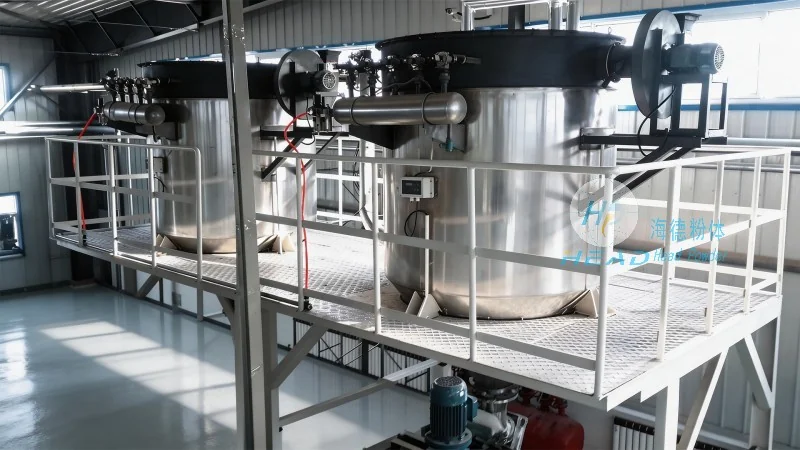
Environmental and Waste Management Facilities
In facilities focused on environmental management and waste processing, secondary zinc oxide may be used as a reagent or additive in treatment processes. The pneumatic conveying system must be designed to handle potentially hazardous or corrosive materials while ensuring operator safety and environmental protection. Operational characteristics in these scenarios include the need for explosion-proof components, advanced dust suppression systems, and real-time monitoring of material flow to prevent spills or leaks.
Advantages of Secondary Zinc Oxide Pneumatic Conveying Systems
Implementing a pneumatic conveying system for secondary zinc oxide offers several significant advantages over traditional material handling methods. These benefits extend to operational efficiency, product quality, and overall cost-effectiveness.
Firstly, pneumatic conveying minimizes the risk of product contamination by eliminating direct human contact and reducing exposure to external environmental factors. This is particularly important for secondary zinc oxide, which is used in sensitive applications where purity is critical. The closed-loop system design ensures that the material remains within a controlled environment from the point of origin to the point of use.
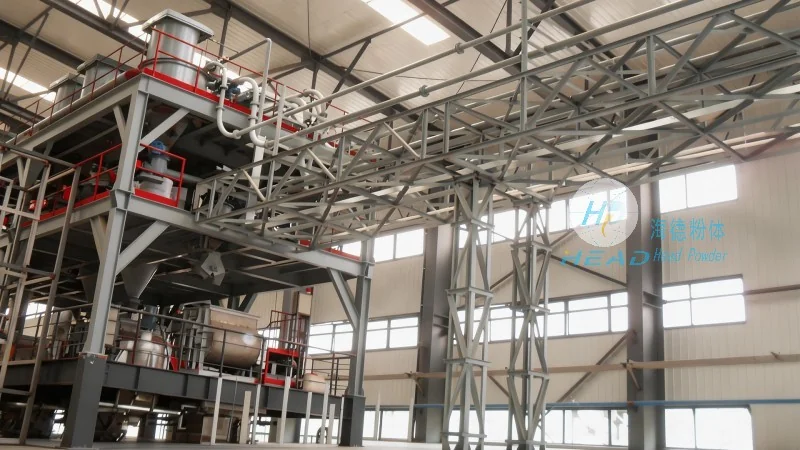
Secondly, the system enhances operational efficiency by providing continuous, automated material transport. Unlike manual or mechanical conveying methods, pneumatic systems can operate 24/7 without the need for frequent intervention, leading to increased production throughput and reduced labor costs. HeadPowder's systems are equipped with advanced control systems that allow for precise control of flow rates, pressure, and material delivery, further optimizing operational efficiency.
Thirdly, the use of pneumatic conveying reduces material degradation and loss. By maintaining consistent air velocity and pressure, the system minimizes the impact of particle impact and friction, which can cause attrition or breakage of the material. This is especially beneficial for secondary zinc oxide, as fine particles are more susceptible to degradation. The result is higher product quality and reduced waste, contributing to overall cost savings.
Conclusion
Secondary zinc oxide pneumatic conveying systems represent a sophisticated and effective solution for the transport of this critical material across various industrial applications. By understanding the fundamental principles of pneumatic conveying and the specific requirements of secondary zinc oxide, industries can select and implement systems that enhance operational efficiency, maintain product quality, and ensure compliance with regulatory standards. HeadPowder, with its expertise in material handling solutions, provides tailored pneumatic conveying systems that meet the unique needs of each application, ensuring reliable and efficient material transport for secondary zinc oxide.