

Principle and Application Scenarios of Calcium Chloride Pneumatic Conveying
Calcium chloride, a widely used chemical compound, is often transported via pneumatic conveying systems. This method offers an efficient and reliable means of moving bulk materials, and understanding its principles and application scenarios is crucial for industries that rely on such processes. This article explores the fundamental principles of calcium chloride pneumatic conveying and highlights key characteristics of its operational environments.
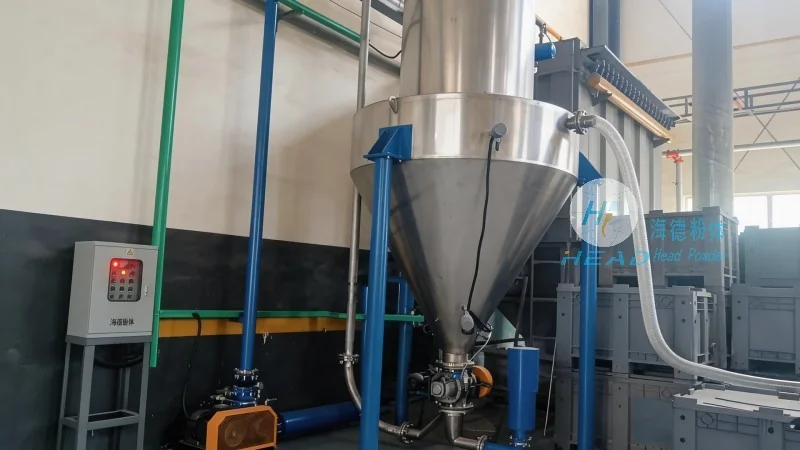
Company Introduction
HeadPowder, or Shandong HeadPowder Engineering Co., Ltd., is a professional manufacturer and supplier of pneumatic conveying equipment. Based in Shandong, China, the company specializes in designing and producing systems tailored to the unique needs of various industries. With a focus on innovation and quality, HeadPowder provides comprehensive solutions for material handling, including calcium chloride pneumatic conveying systems.
Principle of Calcium Chloride Pneumatic Conveying
The core principle of pneumatic conveying for calcium chloride involves the use of air or other gases to transport the material through a pipeline. This process typically operates under pressure, where the material is suspended in the air stream and moved from the source to the destination. The system consists of several key components, including a feeder, a conveying line, a separator, and a receiver. The feeder introduces the calcium chloride into the air stream, while the separator separates the material from the air before it is collected in the receiver. The pressure and velocity of the air are carefully controlled to ensure efficient and safe transport, minimizing material degradation and system wear.
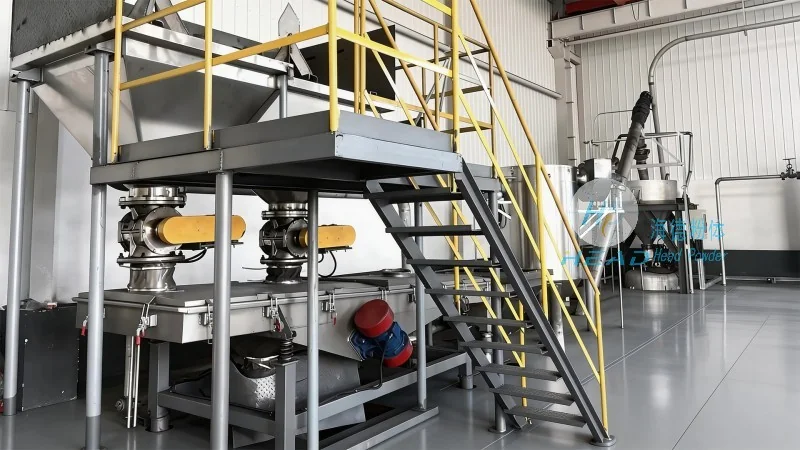
Key Features of Pneumatic Conveying Systems for Calcium Chloride
When considering the application of pneumatic conveying for calcium chloride, several important features should be evaluated. Firstly, the system's ability to handle the material's physical properties, such as its density and flowability, is critical. Calcium chloride can vary in form, from granular to powder, and the conveying system must be designed to accommodate these variations. Secondly, the system's efficiency in terms of energy consumption and material loss is a key consideration. Modern pneumatic conveying systems are designed to minimize energy use and reduce product loss during transport. Thirdly, the system's reliability and durability are essential, as calcium chloride can be abrasive and corrosive, potentially affecting equipment longevity. Additionally, the system's flexibility to adapt to different operational conditions, such as varying material volumes or processing requirements, is a valuable attribute.
Typical Work Scenarios for Calcium Chloride Pneumatic Conveying
Calcium chloride pneumatic conveying is widely used in various industrial settings, each with distinct operational characteristics. One common scenario is in the chemical manufacturing industry, where calcium chloride is used as a deicing agent or in the production of other chemical products. In this environment, the system must be capable of handling large volumes of material and integrating with existing production lines. Another scenario is in the construction industry, where calcium chloride is used as a concrete admixture or in ice-melting applications. Here, the system may need to transport material to remote or difficult-to-access locations, requiring robust and portable conveying solutions. Additionally, in the food processing industry, calcium chloride is used as a food additive, and the conveying system must meet strict hygiene and safety standards. This scenario emphasizes the importance of clean and sanitary equipment design to prevent contamination and ensure product quality. Finally, in the water treatment industry, calcium chloride is used for pH adjustment or water softening. The conveying system in this context must be compatible with the water treatment process and capable of handling the material's interaction with water.
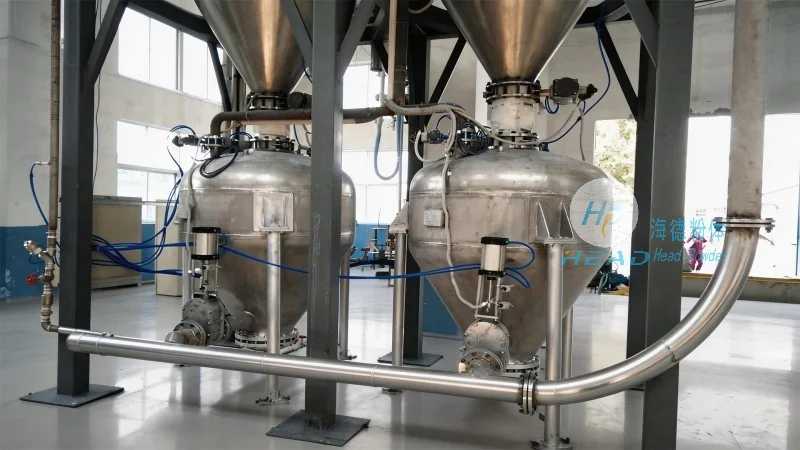
Advantages of Using Pneumatic Conveying for Calcium Chloride
Implementing pneumatic conveying for calcium chloride offers several advantages over traditional methods. Firstly, it provides a dust-free and enclosed transport process, which enhances safety and reduces environmental impact. This is particularly important for calcium chloride, which can be a respiratory irritant if inhaled. Secondly, the system allows for continuous and automated material transport, improving operational efficiency and reducing labor costs. Thirdly, pneumatic conveying can handle a wide range of material sizes and shapes, making it versatile for different applications. Fourthly, the system can be integrated with other processing equipment, creating a seamless material handling workflow. Finally, the technology offers scalability, allowing the system to be expanded or modified as production needs change.
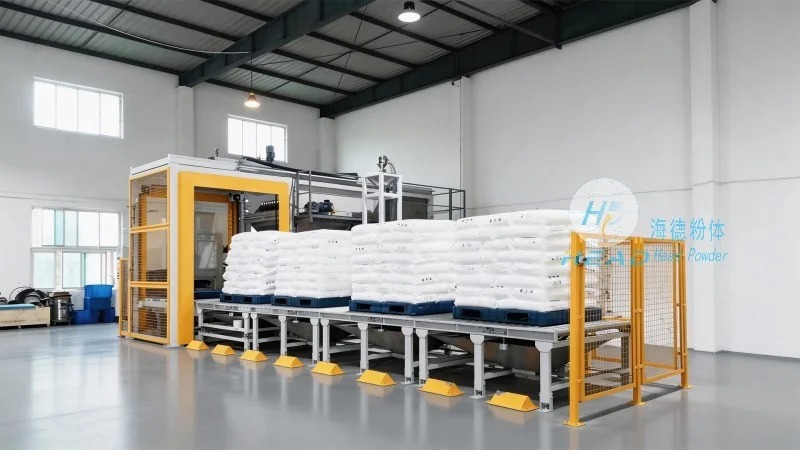
Considerations for Selecting a Pneumatic Conveying System for Calcium Chloride
When selecting a pneumatic conveying system for calcium chloride, several factors must be considered to ensure optimal performance and cost-effectiveness. Firstly, the material's properties, such as its bulk density, flowability, and abrasiveness, should be thoroughly evaluated. These characteristics will determine the appropriate conveying velocity and system design. Secondly, the system's capacity and throughput requirements must be matched to the production needs. This includes considering the volume of material to be transported and the frequency of transport operations. Thirdly, the system's energy efficiency and operating costs should be assessed, as these can significantly impact long-term operational expenses. Fourthly, the system's reliability and maintenance requirements should be evaluated, as downtime can be costly. Finally, the system's compatibility with existing infrastructure and the ability to integrate with other equipment should be considered to ensure smooth operation.
Conclusion
Calcium chloride pneumatic conveying is a highly effective method for transporting this important chemical compound. By understanding the principles and application scenarios of such systems, industries can optimize their material handling processes, improve efficiency, and ensure safety. With the expertise of companies like Shandong HeadPowder Engineering Co., Ltd., advanced pneumatic conveying solutions can be tailored to meet the specific needs of various applications, providing reliable and efficient material transport for calcium chloride and other bulk materials.