

Working Principle and Features of Light Calcium Carbonate Material Pneumatic Conveying Equipment
Light calcium carbonate (LCC) is a widely used industrial material in various sectors such as papermaking, plastics, and coatings. The efficient handling and transportation of LCC are crucial for maintaining production efficiency and product quality. Pneumatic conveying systems offer a reliable solution for moving light calcium carbonate materials from storage to processing units. This article explores the working principle and key features of pneumatic conveying equipment designed specifically for light calcium carbonate applications.
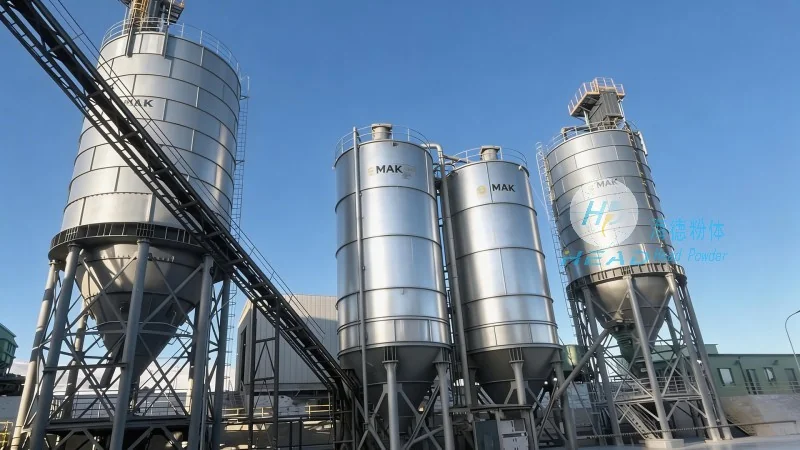
Working Principle of Light Calcium Carbonate Pneumatic Conveying Systems
The core of a pneumatic conveying system is the use of air or gas to transport bulk materials through a pipeline. For light calcium carbonate, which has a relatively low bulk density and fine particle size, specialized equipment is required to ensure effective and low-loss transport. The typical working principle involves several key components and processes:
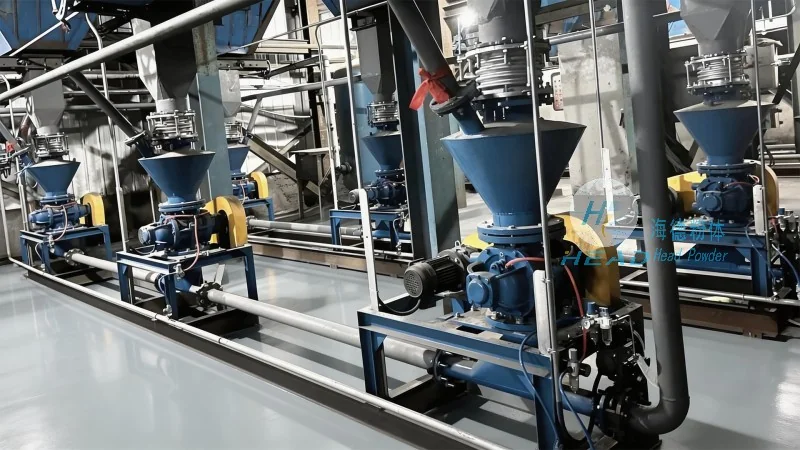
- Air Supply System: A blower or compressor generates the necessary air pressure to move the material. The air supply is regulated to control the conveying velocity and prevent material degradation.
- Material Feeding: The light calcium carbonate is fed into the conveying line through a hopper or feeder. The feeder ensures a consistent flow rate, which is critical for maintaining stable conveying conditions.
- Conveying Pipeline: The material is carried by the air stream through the pipeline. The design of the pipeline, including bends and elbows, is optimized to minimize pressure drop and prevent material deposition or blockage.
- Separation and Discharge: At the destination point, a separator or cyclone separates the material from the air. The separated light calcium carbonate is then discharged into the receiving container, while the air is either recirculated or vented.
Key Features of Light Calcium Carbonate Pneumatic Conveying Equipment
Equipment designed for light calcium carbonate must address the unique properties of this material, such as its low density, fine particle size, and potential for static charge. The following features are essential for effective operation:
- Low-Pressure Conveying: Light calcium carbonate is typically conveyed at low air pressures (usually 0.5 to 2 bar) to avoid excessive energy consumption and material degradation.
- Anti-Static Design: The equipment incorporates anti-static measures, such as grounding and conductive materials, to prevent static accumulation that could lead to material sticking or explosion hazards.
- Corrosion-Resistant Materials: The components in contact with the light calcium carbonate, especially in the hopper and pipeline, are made from corrosion-resistant materials like stainless steel or special alloys to ensure durability and prevent contamination.
- Easy Cleaning and Maintenance: The design allows for easy disassembly and cleaning to prevent material buildup and maintain hygiene, which is important for food and pharmaceutical applications where LCC is used.
- Energy Efficiency: Modern pneumatic conveying systems are designed with energy-efficient blowers and optimized pipeline layouts to reduce operational costs and environmental impact.
Application Scenarios and Benefits
Light calcium carbonate pneumatic conveying systems are widely used in various industries due to their flexibility and efficiency. Some common applications include:
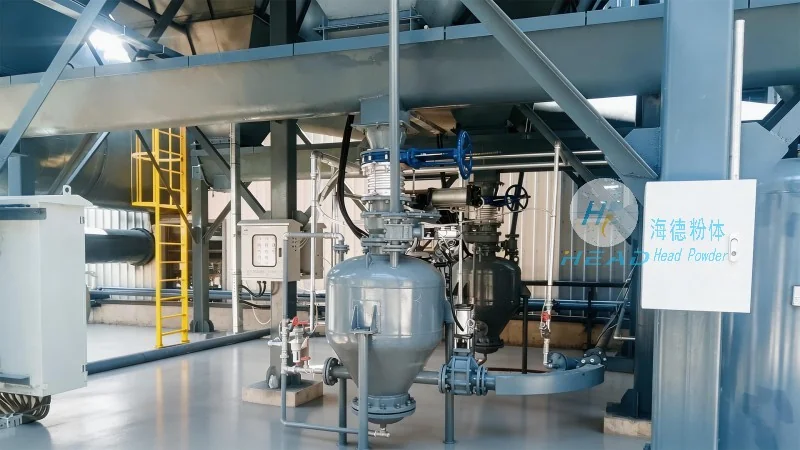
- Paper and Pulp Industry: LCC is used as a filler in paper production, and pneumatic conveyors ensure smooth and continuous supply of the material to the paper machines.
- Plastics and Rubber Industry: In the production of plastic compounds, LCC is added as a filler to improve mechanical properties. The conveying system ensures consistent mixing and processing.
- Coatings and Paint Industry: LCC is used as a pigment or filler in coatings, and the pneumatic system provides a clean and efficient way to transport the material to the mixing and application stages.
By using pneumatic conveying equipment, manufacturers can achieve several benefits, including reduced labor costs, improved safety (as there are no moving parts in the conveying line), and enhanced product quality through consistent material handling.