

Working Principle and Features of Pneumatic Conveying Systems for Broken Bag Materials
For industrial applications that involve handling bulk materials from broken bags, efficient and reliable material transport is crucial. Pneumatic conveying systems, particularly those designed for broken bag materials, offer a solution that combines advanced technology with practical design to meet these demands. This article explores the working principle and key features of such systems, providing insights into how they operate and why they are preferred in various industries, developed by Shandong HeadPowder Engineering Co., Ltd.
Working Principle of Pneumatic Conveying Systems for Broken Bag Materials
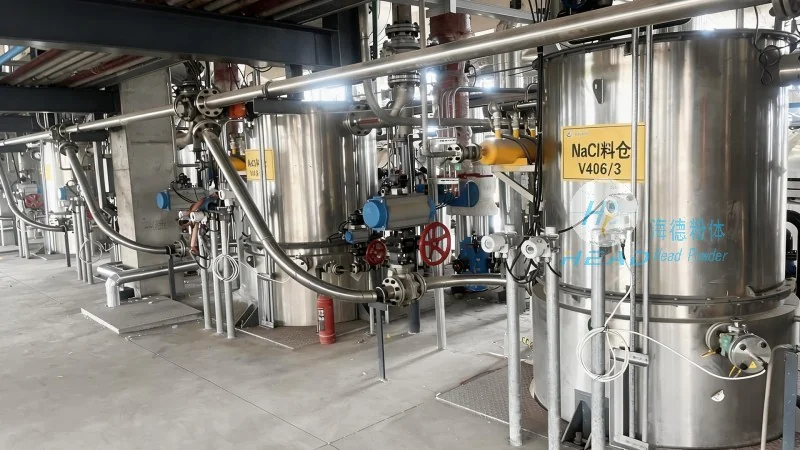
The core of a pneumatic conveying system for broken bag materials is the method by which material is transported through a pipeline using air or gas. The process typically involves several key components and steps. First, the broken bag material is introduced into a hopper or feeding device. From there, it is fed into a conveying line where it is mixed with a stream of air under pressure. This mixture travels through the pipeline to the destination point, such as a silo, storage tank, or processing unit. The system utilizes either positive pressure (where air is blown into the system) or negative pressure (where air is drawn out), depending on the specific design and application requirements. The air flow is controlled to ensure the material is transported smoothly without clogging or degradation. The system may also include features like cyclones or filters to separate the material from the air stream at the receiving end, allowing for clean material delivery and air recycling.
Key Features of Pneumatic Conveying Systems for Broken Bag Materials
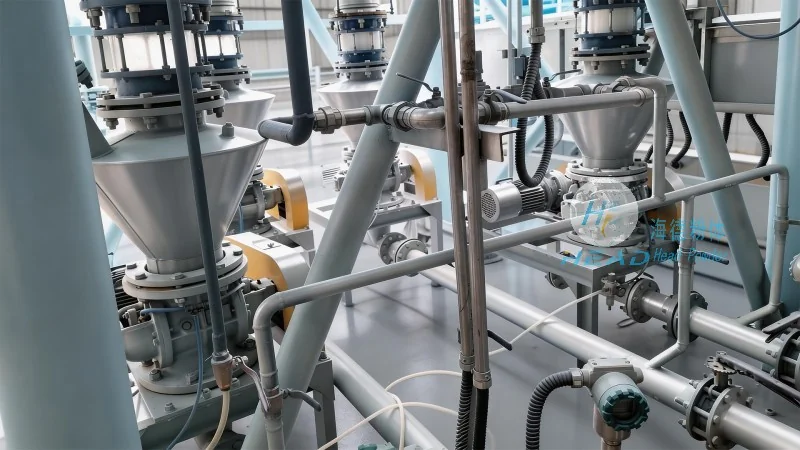
Several notable features make pneumatic conveying systems for broken bag materials an attractive option for many industries. One of the primary advantages is the ability to handle a wide range of material types, including powders, granules, and other bulk materials that may have varying particle sizes and flow characteristics. The system's design allows for gentle handling of the material, minimizing breakage or degradation during transport, which is especially important for sensitive products. Another key feature is the flexibility in system layout, as the conveying lines can be configured to follow the existing facility layout or be customized to fit specific space constraints. The systems are also equipped with advanced control mechanisms that allow for precise regulation of air flow, material feed rate, and system pressure, ensuring optimal performance and preventing issues like overloading or air leaks. Additionally, the systems often include safety features such as pressure relief valves and automatic shut-off mechanisms to protect against system failures and ensure safe operation. The integration of these features results in a robust and efficient solution for material handling in industrial settings.
Application and Benefits in Industrial Settings
Pneumatic conveying systems for broken bag materials find applications in various industries, including food processing, pharmaceuticals, chemicals, and mining. In these sectors, the need to transport bulk materials from storage or processing areas to other parts of the facility is essential. The benefits of using such systems include improved operational efficiency, reduced labor costs, and enhanced safety compared to traditional methods like manual handling or mechanical conveyors. The systems also contribute to better product quality by minimizing material contamination and degradation during transport. Furthermore, the ability to handle materials with varying properties makes them versatile for different production processes. The systems are designed to be durable and low-maintenance, providing long-term reliability and cost-effectiveness for industrial operations.
Conclusion
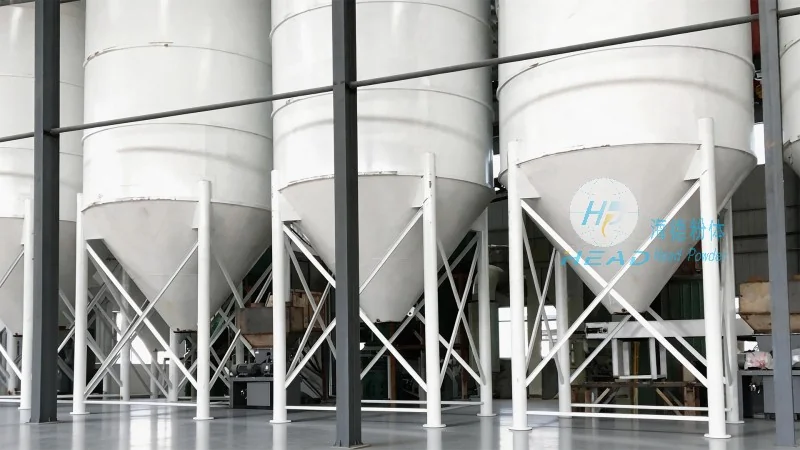
In summary, pneumatic conveying systems for broken bag materials operate by using air to transport material through a pipeline, with features that enhance efficiency, flexibility, and safety. These systems are a valuable asset for industries requiring reliable and gentle handling of bulk materials. By understanding the working principle and key features, businesses can make informed decisions about implementing such systems to improve their material handling processes and overall operational performance.