

Working Principle and Characteristics of Pneumatic Conveying for Dry Coffee Powder
Pneumatic conveying systems have become a critical component in the processing and handling of dry coffee powder, offering efficient and hygienic solutions for transporting this delicate product. Understanding the working principle and key characteristics of such systems is essential for optimizing operations in coffee production facilities. This article delves into the mechanics behind pneumatic conveying for dry coffee powder, highlighting its advantages and the technical aspects that make it suitable for the industry.
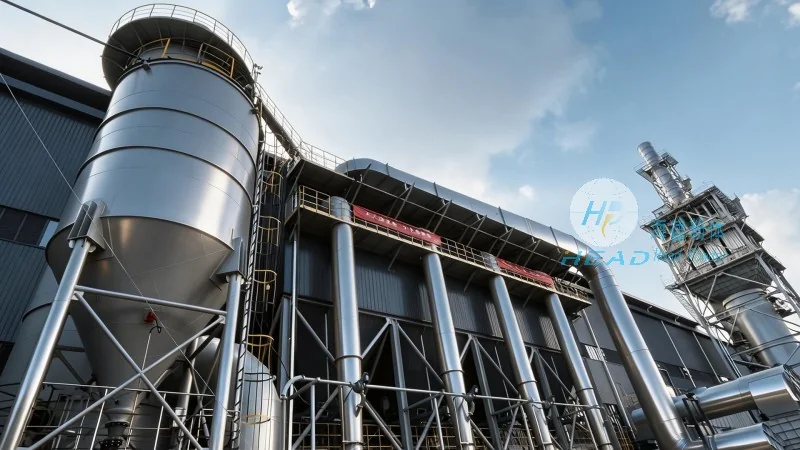
Overview of Pneumatic Conveying for Dry Coffee Powder
Dry coffee powder, with its fine particle size and potential for moisture absorption, requires specialized handling to maintain quality and prevent contamination. Pneumatic conveying addresses these challenges by using air to transport the powder through a sealed system, ensuring that the product remains clean and free from external contaminants. The technology is widely adopted in coffee processing plants due to its ability to handle sensitive materials while minimizing the risk of product degradation.
The Working Principle of Pneumatic Conveying Systems
The core of pneumatic conveying for dry coffee powder lies in the movement of particles using air pressure. There are two primary types of systems: positive pressure and negative pressure. In positive pressure systems, air is forced into the conveying line, carrying the coffee powder from the source to the destination. This method is often preferred for its ability to handle long distances and multiple transfer points. Negative pressure systems, on the other hand, create a vacuum that draws the powder into the line, which is typically used for shorter distances or when the material is less abrasive.
Within these systems, the coffee powder is typically fed into the conveying line via a hopper or a rotary valve. The air flow is controlled by a blower or a vacuum pump, ensuring that the correct velocity is maintained to prevent particle segregation or blockages. The design of the system, including the diameter of the pipes and the angle of the bends, plays a crucial role in maintaining consistent flow and preventing material buildup. For dry coffee powder, which can be prone to sticking to surfaces, the use of smooth, non-stick materials for the conveying lines is essential to ensure smooth operation.
Key Characteristics of Pneumatic Conveying for Dry Coffee Powder
Several distinct characteristics make pneumatic conveying an ideal choice for handling dry coffee powder. Firstly, the system provides a fully enclosed environment, which is crucial for maintaining product hygiene and preventing cross-contamination with other materials or environmental factors. This is particularly important in food processing, where compliance with safety and quality standards is paramount.
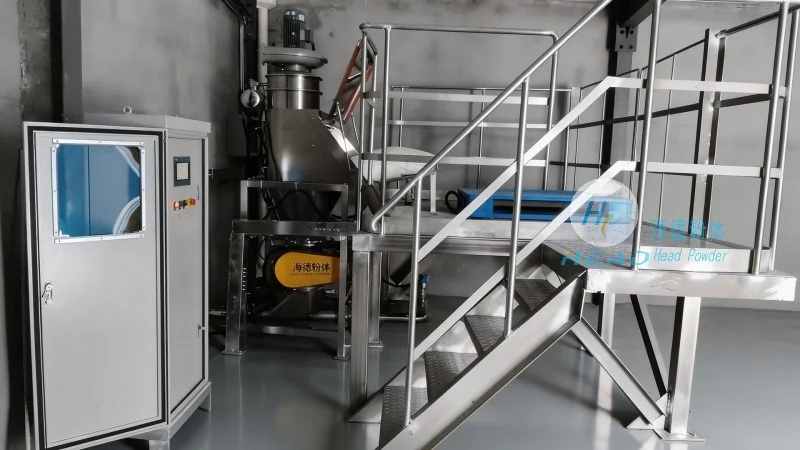
Secondly, pneumatic conveying offers high efficiency in terms of material transport. By using air as the conveying medium, the system can move large volumes of coffee powder quickly and with minimal energy consumption compared to traditional methods like belt conveyors or manual handling. This efficiency is further enhanced by the ability to integrate multiple transfer points and destinations within a single system, reducing the need for multiple handling steps.
Thirdly, the technology is highly flexible and can be adapted to various production scales and layouts. Whether for small-scale coffee roasting operations or large industrial processing plants, pneumatic conveying systems can be customized to meet specific requirements. This adaptability allows for seamless integration into existing production lines without significant modifications.
Another important characteristic is the ability to control the flow rate and pressure within the system. This allows operators to adjust the conveying speed according to the needs of the process, ensuring that the coffee powder is delivered at the right time and in the right quantity. For example, during peak production periods, the system can be adjusted to handle higher volumes, while during slower periods, it can operate at lower speeds to conserve energy.
Applications and Benefits in Coffee Processing
Pneumatic conveying systems are widely used in various stages of coffee processing, from the initial handling of roasted coffee beans to the final packaging of coffee powder. In the roasting stage, the system can be used to transport roasted beans from the roaster to the grinding and milling equipment. During the grinding process, the fine coffee powder is then conveyed to storage silos or packaging lines. The enclosed nature of the system prevents the coffee powder from coming into contact with air or moisture, which could lead to oxidation and loss of flavor.
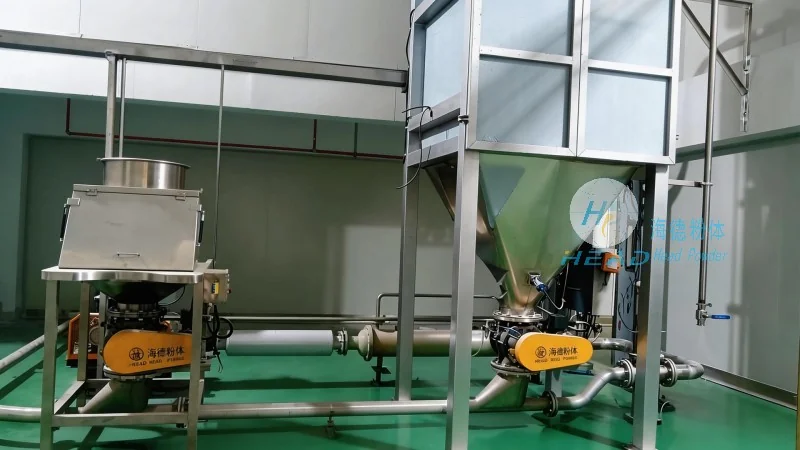
During packaging, the pneumatic conveying system can deliver the coffee powder directly into packaging machines, ensuring a consistent and hygienic filling process. This not only improves the quality of the final product but also enhances the efficiency of the packaging line. The ability to handle the entire process from raw material to finished product makes pneumatic conveying a comprehensive solution for coffee processing facilities.
Company Introduction: Shandong HeadPowder Engineering Co., Ltd.
Shandong HeadPowder Engineering Co., Ltd., commonly known as HeadPowder, is a leading provider of pneumatic conveying solutions tailored for the food and powder processing industries. With a focus on innovation and quality, HeadPowder specializes in designing and manufacturing systems that meet the specific needs of clients in the coffee sector. The company's expertise lies in understanding the unique challenges of handling dry coffee powder, such as its fine particle size and hygroscopic nature, and developing solutions that address these challenges effectively.
HeadPowder's team of engineers and technicians work closely with clients to assess their production requirements and recommend the most suitable pneumatic conveying systems. Whether it's a positive pressure or negative pressure system, the company's solutions are designed to ensure efficient, hygienic, and reliable transport of coffee powder. The company's commitment to using high-quality materials and advanced technology ensures that its systems deliver long-term performance and minimal maintenance.
HeadPowder's facilities are located in Shandong, China, where the company operates a state-of-the-art manufacturing plant. The company adheres to strict quality control standards, ensuring that all products meet international safety and hygiene regulations. By providing comprehensive solutions that include system design, installation, and after-sales support, HeadPowder helps coffee processing facilities optimize their operations and improve overall productivity.