

Working Principle and Characteristics of Pneumatic Conveying for Manganese Carbonate Powder
HeadPowder, a leading provider in the field of powder handling technology, specializes in the efficient and reliable transportation of manganese carbonate powder through pneumatic conveying systems. This article explores the fundamental working principles and key characteristics of this method, offering insights into how it enhances industrial processes for this specific material.
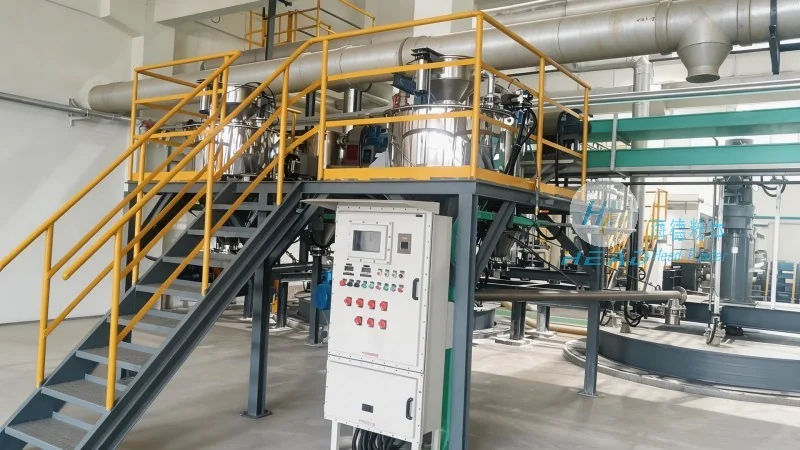
Introduction to Pneumatic Conveying for Manganese Carbonate Powder
Pneumatic conveying is a widely adopted technique in industrial applications for transporting bulk powders, including manganese carbonate, which is commonly used in battery manufacturing, steel production, and other chemical processes. The method involves the use of pressurized air or gas to move powder particles through a pipeline system. HeadPowder, based in Shandong, China, has developed advanced solutions tailored to the unique properties of manganese carbonate, ensuring optimal performance and minimal material degradation during transport.
The Working Principle of Pneumatic Conveying
The core principle of pneumatic conveying for manganese carbonate powder is the creation of a fluidized or suspended state of the powder particles within a carrier gas. In this process, air is introduced into the conveying line at a controlled pressure, typically ranging from low to high pressure depending on the system design. The pressure differential between the inlet and outlet of the pipeline generates sufficient force to lift and transport the powder particles. The system can be categorized into two main types: dilute-phase and dense-phase conveying. Dilute-phase systems use higher air velocities to keep particles suspended, while dense-phase systems employ lower velocities and higher pressure to move particles in a more compacted state, reducing the risk of particle degradation and system blockages.
For manganese carbonate, which has a relatively fine particle size and moderate density, a dilute-phase system is often preferred due to its ability to handle high material flow rates with minimal pressure drop. The process begins with the powder being fed into the conveying line via a hopper or feeder. The air is then introduced at the inlet, creating a turbulent flow that entrains the powder particles. As the mixture travels through the pipeline, the air and powder are separated at the discharge point, where the powder is collected in a receiving hopper. The air, now carrying fine dust particles, is typically filtered and recycled back into the system to maintain efficiency and reduce environmental impact.
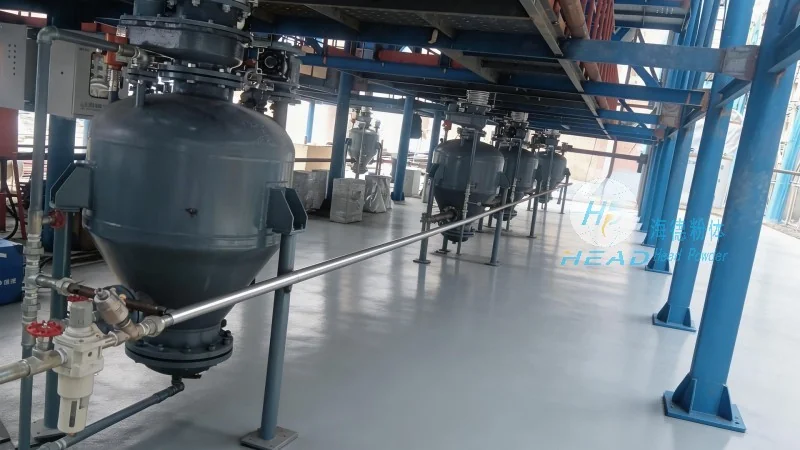
Key Characteristics of Pneumatic Conveying for Manganese Carbonate Powder
Several distinct characteristics make pneumatic conveying an ideal choice for handling manganese carbonate powder. Firstly, it offers a high degree of flexibility in system design, allowing for both horizontal and vertical transport, as well as complex route configurations to suit the layout of industrial facilities. This adaptability is crucial for optimizing material flow in plants where space constraints or process integration requirements are significant.
Secondly, the method provides excellent control over the conveying process. By adjusting the air pressure and flow rate, operators can precisely manage the speed and volume of powder transport, ensuring consistent material delivery to downstream processes such as mixing, compounding, or packaging. This level of control is particularly important for manganese carbonate, as its quality and purity are critical for end-product performance in applications like battery cathode production.
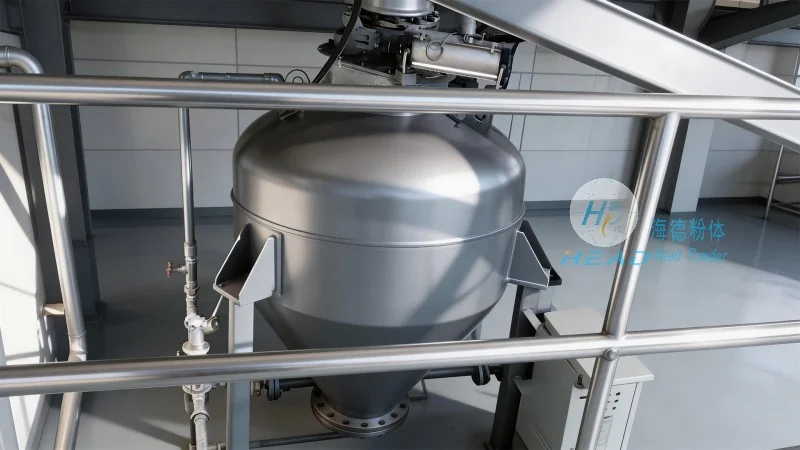
Thirdly, pneumatic conveying is known for its ability to minimize material contamination and degradation. Unlike mechanical conveying methods, which may cause particle attrition or mixing with foreign substances, the enclosed pipeline system of pneumatic conveying prevents exposure to external contaminants. This is vital for maintaining the chemical integrity of manganese carbonate, which can be sensitive to moisture, oxygen, or other environmental factors that could affect its reactivity and performance in industrial applications.
Additionally, the system contributes to improved operational efficiency and safety. By eliminating the need for manual handling of bulk powders, it reduces labor costs and the risk of dust exposure to workers. The enclosed design also helps in controlling dust emissions, aligning with environmental regulations and promoting a safer working environment. For HeadPowder, these advantages are integrated into their engineering solutions, ensuring that clients receive customized pneumatic conveying systems that meet both technical and safety standards.
Conclusion and Application Implications
In conclusion, pneumatic conveying represents a sophisticated and effective method for transporting manganese carbonate powder, leveraging the principles of fluid dynamics and material handling to achieve high efficiency and reliability. The working principle, which involves the suspension of powder particles in a carrier gas, combined with the key characteristics such as flexibility, process control, and minimal contamination, makes it a preferred choice for industries relying on this material. HeadPowder, with its expertise and facilities in Shandong, China, continues to advance pneumatic conveying technologies tailored to the specific needs of manganese carbonate, supporting clients in optimizing their production processes and enhancing overall operational performance.