

Working Principle and Characteristics of Fused Silica Microspheres Material Handling
Understanding the working principle and characteristics of fused silica microspheres material handling is crucial for industries that rely on these lightweight, high-performance materials. Fused silica microspheres, often used as a key component in construction and insulation applications, require efficient and reliable transport systems to ensure optimal performance in end products. This article, presented by Shandong HeadPowder Engineering Co., Ltd., explores the mechanisms behind their material handling and highlights the key attributes that make them valuable in various industrial processes.
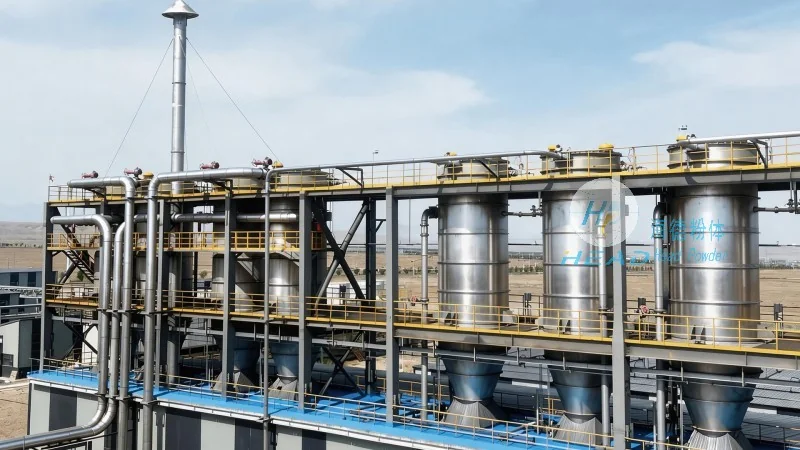
Introduction to Fused Silica Microspheres and Their Role in Material Handling
Fused silica microspheres are spherical particles made from fused silica, a form of silicon dioxide (SiO₂) with a glass-like structure. These microspheres typically have diameters ranging from 20 to 200 micrometers and are characterized by their low density, high thermal stability, and excellent fire resistance. In material handling, these properties make them ideal for use in lightweight concrete, thermal insulation materials, and other composite products. The efficient transport of fused silica microspheres is essential to maintain their integrity and prevent agglomeration, which could compromise the quality of the final product.
The Working Principle of Fused Silica Microspheres Material Handling
The working principle of fused silica microspheres material handling involves several key steps and technologies designed to move these fine particles from storage to processing or end-use applications. The primary methods include pneumatic conveying, mechanical conveying (such as belt conveyors and screw conveyors), and vacuum systems. Pneumatic conveying, for instance, uses air or gas to transport the microspheres through a pipeline, leveraging the principle of fluidization to keep the particles suspended and move them efficiently. This method is particularly effective for handling fine powders and can cover long distances with minimal pressure drop. Mechanical conveyors, on the other hand, rely on physical contact and motion to move the material, such as belt conveyors that use friction to transport the microspheres along a path, or screw conveyors that use a rotating screw to push the material forward. Vacuum systems are also used, especially in applications where dust control is critical, as they create a negative pressure environment that draws the microspheres through a system while maintaining a clean and controlled environment.
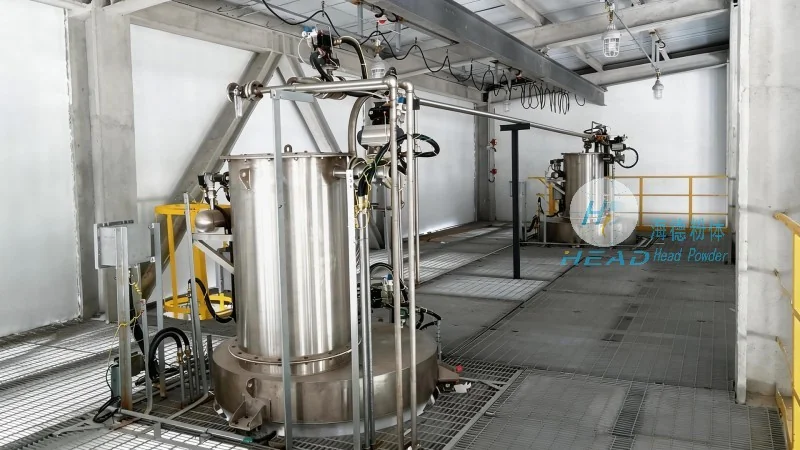
Key Characteristics of Fused Silica Microspheres in Material Handling
Several characteristics of fused silica microspheres significantly impact their material handling performance and overall effectiveness. First, their low density (typically around 0.2 to 0.4 g/cm³) reduces the load on conveying systems, making them energy-efficient to transport. This low density also contributes to the lightweight nature of the end products, which is a major advantage in construction and insulation applications. Second, the high thermal stability of fused silica microspheres allows them to withstand high temperatures without degradation, making them suitable for use in high-temperature environments or in materials that require thermal insulation. Third, their excellent fire resistance, as fused silica is a non-combustible material, enhances safety in applications where fire hazards are a concern. Additionally, the spherical shape of the microspheres reduces friction and wear on conveying equipment, extending the lifespan of the machinery and reducing maintenance costs. Another important characteristic is their chemical inertness, which means they do not react with most chemicals or environments, ensuring that they remain stable during transport and storage.
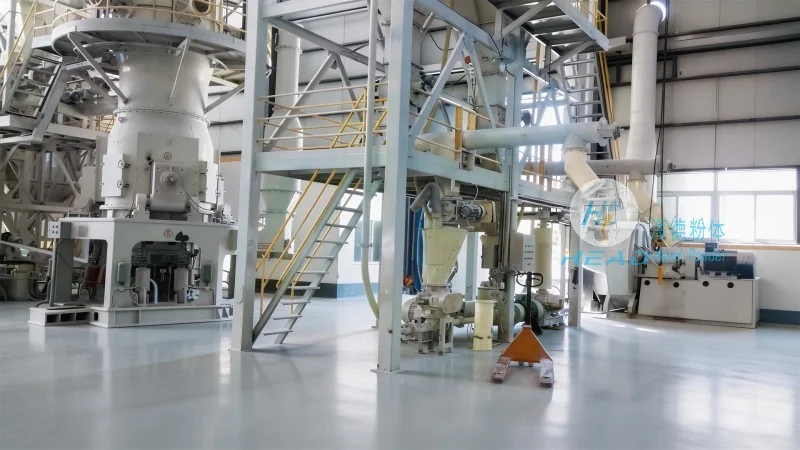
Applications and Benefits of Efficient Fused Silica Microspheres Material Handling
Efficient material handling of fused silica microspheres offers numerous benefits to manufacturers and end-users. In the construction industry, for example, the use of fused silica microspheres in lightweight concrete reduces the overall weight of structures, leading to cost savings in materials and transportation. The thermal insulation properties of these microspheres improve energy efficiency in buildings, reducing heating and cooling costs. In the insulation industry, the high fire resistance of fused silica microspheres enhances the safety of insulation products, meeting stringent fire safety standards. The ability to transport these microspheres efficiently also ensures consistent quality in end products, as the material is delivered in a controlled manner without agglomeration or degradation. This consistency is critical for maintaining product performance and meeting customer expectations. Furthermore, the energy efficiency of the conveying systems used for fused silica microspheres reduces operational costs for manufacturers, making the overall process more economical.
Conclusion: The Importance of Understanding Fused Silica Microspheres Material Handling
In conclusion, the working principle and characteristics of fused silica microspheres material handling are fundamental to their successful application in various industries. The efficient transport of these lightweight, high-performance particles relies on advanced technologies such as pneumatic conveying, mechanical conveyors, and vacuum systems, each tailored to the specific properties of the microspheres. The key characteristics of fused silica microspheres, including low density, high thermal stability, fire resistance, and chemical inertness, not only enhance their material handling performance but also contribute to the superior quality of the end products. As industries continue to seek more sustainable and efficient materials, the importance of understanding and optimizing fused silica microspheres material handling will only grow. By leveraging the unique properties of these microspheres and employing effective material handling techniques, manufacturers can achieve higher quality products, reduce costs, and meet the evolving demands of the market.