

Working Principle and Features of Pharmaceutical Powder Conveying Lines
Pharmaceutical powder conveying lines are critical components in the manufacturing and processing of medicinal products. These systems are designed to handle the precise and safe transport of powders, ensuring that they are moved efficiently from one stage of production to another. The technology behind these lines combines mechanical engineering principles with strict adherence to pharmaceutical industry standards, such as those outlined by GMP (Good Manufacturing Practice). The primary goal is to maintain the integrity of the powder, prevent contamination, and ensure consistent flow rates. This article will explore the working principles and key features of these systems, highlighting how they contribute to the overall efficiency and quality of pharmaceutical manufacturing.
Working Principle of Pharmaceutical Powder Conveying Lines
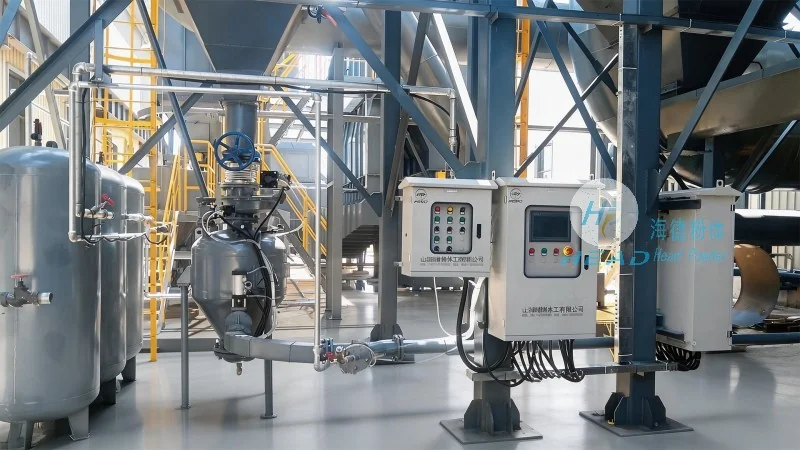
The core working principle of a pharmaceutical powder conveying line involves the use of various mechanisms to move powders through a system. The process typically begins with the powder being loaded into a hopper or feeder, where it is then transferred to a conveyor system. Common types of conveyors used in pharmaceutical applications include screw conveyors, pneumatic conveying systems, and belt conveyors. Each of these systems operates based on different physical principles:
Screw conveyors, for example, use a rotating screw to push the powder forward. The speed of the screw and the pitch of the threads can be adjusted to control the flow rate, ensuring that the powder moves at a consistent and controlled pace. This method is particularly useful for handling powders that are cohesive or have a tendency to stick together. Pneumatic conveying systems, on the other hand, utilize air pressure to move the powder through a pipeline. This is achieved by creating a pressure differential between the inlet and outlet of the system. The powder is carried by the air stream, which can be either positive or negative pressure, depending on the application. This method is ideal for handling fine powders that are prone to dusting or for long-distance transport. Belt conveyors, similar to those used in general material handling, use a moving belt to transport the powder. These systems are often used for bulk handling and can be equipped with additional features, such as vibration or air knives, to prevent material buildup and ensure smooth operation.
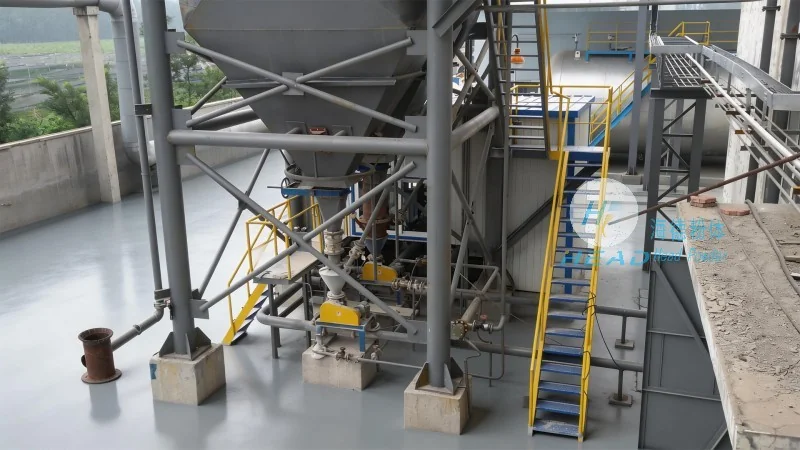
All of these mechanisms are integrated into a closed system to maintain the sterility and purity of the powder. The system is typically made of stainless steel or other materials that are easy to clean and sanitize. This is crucial in pharmaceutical manufacturing, where any contamination can lead to product recalls or safety issues. The conveying lines are also equipped with sensors and controls that monitor the flow rate, pressure, and temperature, ensuring that the system operates within safe and optimal parameters.
Key Features of Pharmaceutical Powder Conveying Lines
Pharmaceutical powder conveying lines are characterized by several key features that distinguish them from other types of material handling systems. These features are designed to meet the stringent requirements of the pharmaceutical industry and to enhance the overall performance of the manufacturing process:
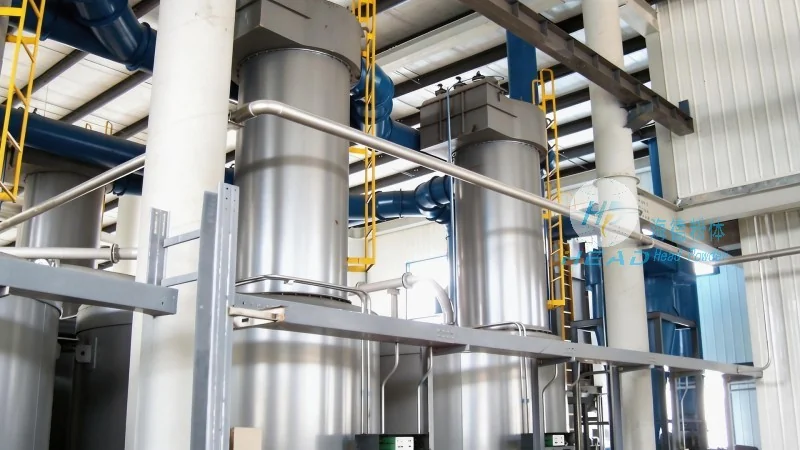
Firstly, the systems are designed for high precision and accuracy. This is essential for maintaining the consistency of the powder, which is critical for the quality of the final product. The conveying lines are equipped with adjustable speed controls and flow meters, allowing operators to fine-tune the flow rate to meet specific production needs. This precision helps to prevent over or under-dosing of active ingredients, which can affect the efficacy and safety of the medication.
Secondly, the systems are built for easy cleaning and maintenance. The use of stainless steel and other hygienic materials makes it possible to clean the system thoroughly without leaving residues. This is important for preventing cross-contamination between different batches of powder. The design of the conveying lines often includes features such as CIP (Clean-In-Place) and SIP (Sterilize-In-Place) capabilities, which allow for automated cleaning and sterilization processes. This reduces the time and labor required for maintenance and ensures that the system remains in compliance with GMP standards.
Thirdly, the systems are designed for safety and reliability. Pharmaceutical powder conveying lines are equipped with safety features such as emergency stop buttons, overload protection, and pressure relief valves. These features help to prevent accidents and ensure that the system operates smoothly without interruptions. The use of high-quality components and robust construction also contributes to the reliability of the system, reducing the risk of breakdowns and downtime.
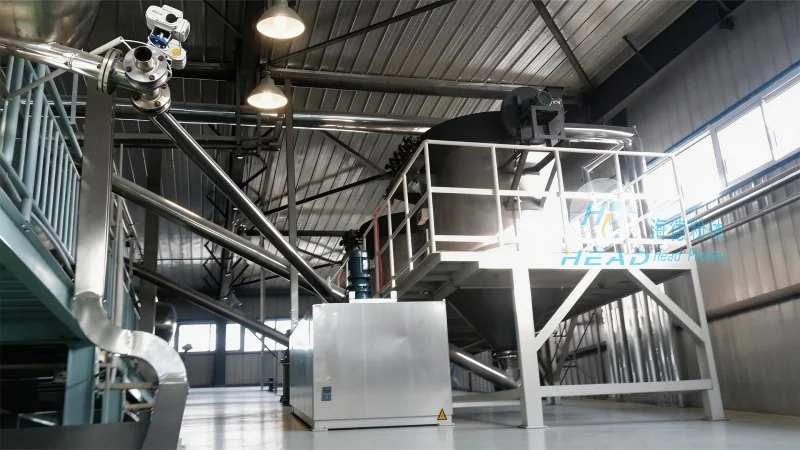
Fourthly, the systems are designed for flexibility and adaptability. Pharmaceutical manufacturing processes often require changes in production volume or product types. The conveying lines are designed to be modular, allowing for easy expansion or modification. This flexibility enables manufacturers to adapt to changing market demands and to introduce new products without significant changes to the existing infrastructure.
Conclusion
In conclusion, pharmaceutical powder conveying lines are essential equipment in the pharmaceutical industry, playing a crucial role in the efficient and safe handling of powders. The working principles of these systems, which include various types of conveyors and closed systems, are designed to maintain the integrity and purity of the powder. The key features, such as precision, easy cleaning, safety, and flexibility, ensure that these systems meet the stringent requirements of the pharmaceutical industry and contribute to the overall quality and reliability of the manufacturing process. As the pharmaceutical industry continues to evolve, these systems will remain a vital part of the production workflow, helping to ensure that medications are produced safely and effectively.