

Working Principle and Features of Silo Powder Conveying Systems
For those in the bulk material handling industry, understanding the inner workings of silo powder conveying systems is crucial for optimizing operations and ensuring efficiency. This article delves into the working principle and key features of such systems, highlighting how they contribute to seamless material transport within grain storage facilities.
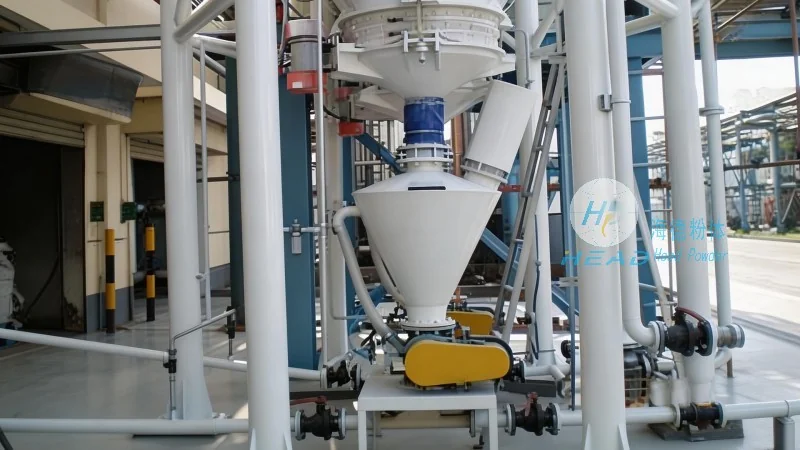
Introduction to Silo Powder Conveying Systems
Before exploring the technical aspects, it's essential to grasp the fundamental purpose of silo powder conveying systems. These systems are engineered to transport bulk powders, such as grains, flour, or other dry materials, from storage silos to processing or packaging areas. The primary goal is to achieve efficient, reliable, and safe material movement, minimizing downtime and operational costs.
Working Principle of Silo Powder Conveying Lines
The working principle of a typical silo powder conveying line involves several interconnected components working in tandem. The process begins with the material being stored in a silo, where it is held under controlled conditions. From there, the material is drawn into a conveying system, often using a combination of vacuum or pressure-based mechanisms, depending on the system design. The core components include a hopper, a conveyor (such as a screw or pneumatic conveyor), and a control system that regulates the flow of material. The system operates by creating a pressure differential, either by sucking air from the silo or pressurizing the material, to move the powder through the pipeline. This method ensures that the material is transported without the need for mechanical contact, reducing wear and tear on the equipment.
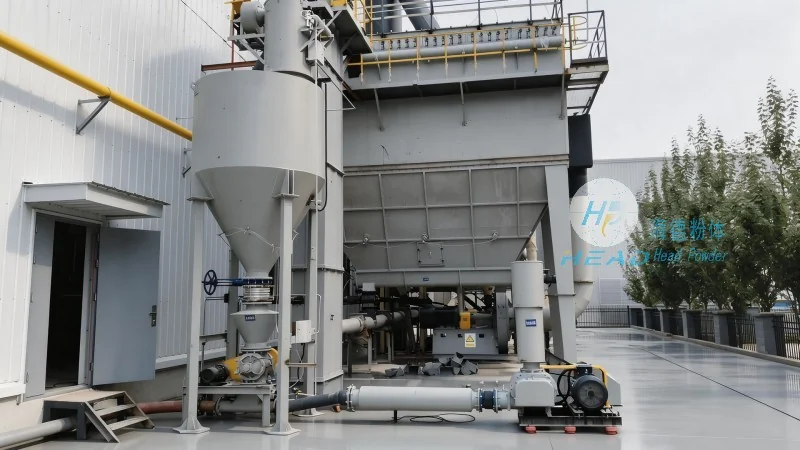
Key Features of Silo Powder Conveying Systems
HeadPowder Engineering Co., Ltd., a leading manufacturer based in Shandong, China, offers advanced silo powder conveying systems with several notable features. These systems are designed for high efficiency and durability, catering to the demands of modern grain storage and processing facilities. One of the key features is the use of advanced control technology, which allows for precise regulation of material flow rates, ensuring consistent output and preventing overloading or underloading of downstream equipment. Another significant feature is the integration of safety mechanisms, such as pressure relief valves and overload protection, to safeguard both the equipment and personnel. The systems also incorporate materials that are resistant to corrosion and wear, extending their operational lifespan and reducing maintenance requirements. Additionally, the design allows for easy cleaning and maintenance, with components that can be disassembled and inspected without extensive downtime. These features collectively contribute to the reliability and longevity of the conveying lines.
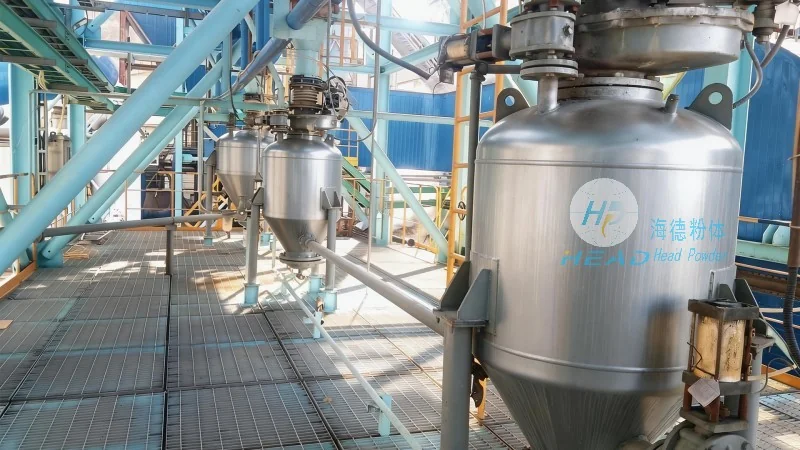
Application and Benefits in Grain Storage
Silo powder conveying systems are widely used in grain storage facilities due to their ability to handle large volumes of bulk materials efficiently. The benefits of these systems extend beyond mere material transport; they enhance overall operational efficiency by reducing the time and labor required for material handling. By automating the process, facilities can achieve faster turnaround times and improve their productivity. Furthermore, the systems help maintain the quality of the stored materials by minimizing exposure to air and moisture, which can degrade the product. The consistent flow of material also ensures that downstream processes, such as milling or packaging, receive a steady supply, preventing bottlenecks and improving process reliability.
Conclusion
In conclusion, silo powder conveying systems are critical components in modern grain storage and processing operations. The working principle, which relies on pressure differentials and advanced control systems, enables efficient and reliable material transport. The key features offered by manufacturers like Shandong HeadPowder Engineering Co., Ltd. further enhance the performance and longevity of these systems. By investing in such technology, grain storage facilities can improve their operational efficiency, reduce costs, and ensure the quality of their stored products. As the demand for efficient bulk material handling continues to grow, these systems remain a vital solution for the industry.