

Working Principle and Features of Intermittent Inflation Tank Powder Handling Equipment
This article provides an in-depth exploration of the working principle and key features of the intermittent inflation tank powder handling equipment, a specialized system designed for efficient and reliable transportation of bulk powders. The equipment is engineered to handle various types of powders, ensuring optimal performance in industrial applications.
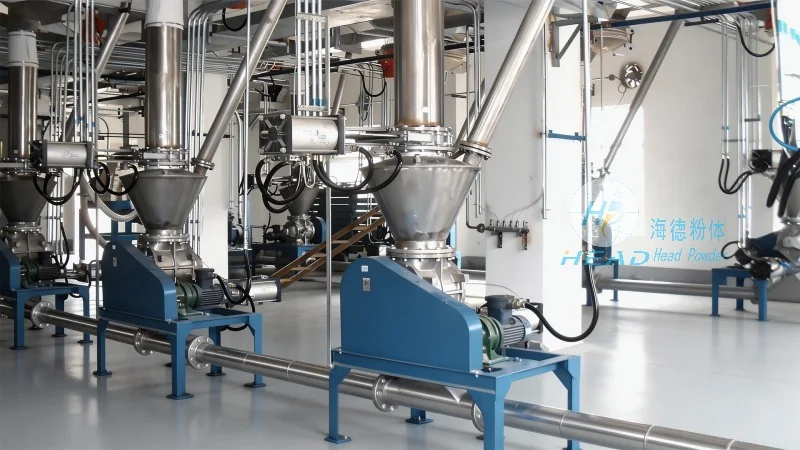
HeadPowder, a leading manufacturer based in Shandong, China, specializes in the design, development, and production of advanced powder handling solutions. With a strong commitment to quality and innovation, the company has established itself as a trusted provider in the industry, delivering equipment that meets the highest standards of performance and reliability.
The Working Principle of Intermittent Inflation Tank Powder Handling Equipment
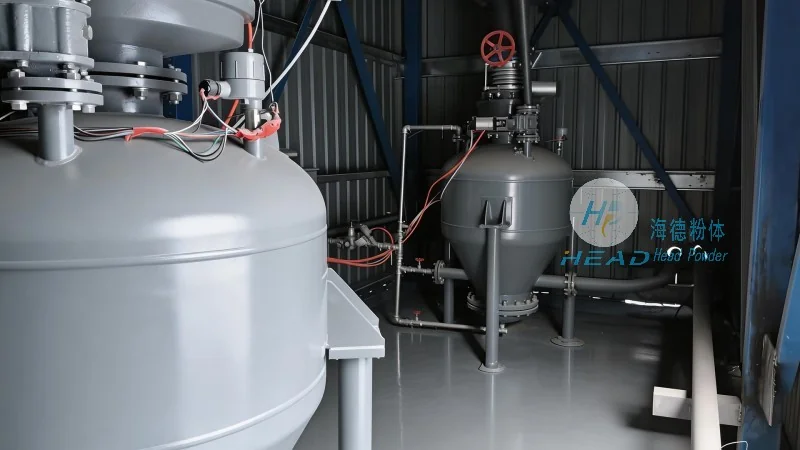
The core mechanism of the intermittent inflation tank powder handling equipment involves a controlled inflation process that creates a pressure differential to move powders through a pipeline. The system operates in cycles, alternating between inflation and deflation phases to ensure efficient and consistent material transport. During the inflation phase, compressed air or gas is introduced into the tank, generating a pressure that pushes the powder forward through the discharge outlet. The deflation phase allows the tank to return to a lower pressure state, preparing it for the next cycle. This intermittent operation enables precise control over the flow rate and pressure, minimizing material degradation and ensuring uniform delivery.
Key components of the system include the inflation tank, which houses the powder and provides the pressure chamber; the air compressor or gas supply unit, responsible for generating the necessary pressure; and the control system, which regulates the inflation and deflation cycles. The control system may incorporate sensors and feedback mechanisms to monitor pressure, flow rate, and other parameters, ensuring the equipment operates within optimal conditions. This integrated approach allows for real-time adjustments and enhanced operational efficiency.
Key Features of the Intermittent Inflation Tank Powder Handling Equipment
The intermittent inflation tank powder handling equipment offers several distinct features that set it apart from traditional powder transport methods. One of the primary advantages is its ability to handle a wide range of powder types, including fine, cohesive, and abrasive materials, without causing degradation or segregation. The controlled pressure and flow rates prevent material agglomeration and ensure consistent particle size distribution.
Another significant feature is the system's energy efficiency. By operating in intermittent cycles, the equipment minimizes energy consumption compared to continuous systems, leading to lower operational costs and reduced environmental impact. The compact design of the inflation tank also allows for flexible installation in various industrial settings, making it suitable for both new and existing facilities.
Reliability and durability are also critical features of this equipment. The robust construction, using high-quality materials such as stainless steel or corrosion-resistant alloys, ensures long-term performance even in harsh operating conditions. The system is designed to withstand high pressures and frequent cycling, reducing maintenance requirements and downtime. Additionally, the integrated control system provides advanced monitoring capabilities, allowing operators to track performance metrics and identify potential issues before they escalate.
Applications and Benefits in Industrial Settings
The intermittent inflation tank powder handling equipment is widely used in various industrial sectors, including pharmaceuticals, food processing, chemicals, and mining. Its ability to handle sensitive materials makes it ideal for applications where product quality and purity are paramount. For example, in the pharmaceutical industry, the equipment ensures that active ingredients are transported without contamination or degradation, maintaining the efficacy of the final product.
In the food processing industry, the system is used to transport ingredients such as flour, sugar, and spices, ensuring consistent quality and preventing cross-contamination. The controlled flow rates and pressure levels help maintain the freshness and nutritional value of the products. Similarly, in the chemical industry, the equipment is employed to handle bulk chemicals, including powders that are reactive or hazardous, providing a safe and efficient means of transport.
The benefits of using this equipment extend beyond operational efficiency. The reduced material degradation and consistent flow rates lead to improved product quality and reduced waste. Additionally, the energy-efficient operation contributes to lower operational costs and a smaller environmental footprint. The reliability of the system minimizes downtime, allowing for continuous production and increased productivity.
Conclusion
Intermittent inflation tank powder handling equipment, as developed by HeadPowder, represents a sophisticated solution for efficient bulk powder transport. By leveraging controlled inflation and deflation cycles, the system ensures precise control over flow rates and pressure, minimizing material degradation and maximizing operational efficiency. The key features, including versatility, energy efficiency, and durability, make it an ideal choice for various industrial applications. HeadPowder's commitment to quality and innovation ensures that their equipment meets the evolving needs of the industry, providing reliable and effective solutions for powder handling challenges.