

What is a Powder Bin Pneumatic Conveying System? What Are Its Design Principles?
Pneumatic conveying systems play a crucial role in modern industry, especially when it comes to efficiently and safely handling powder materials. Among these, the powder bin pneumatic conveying system stands as an advanced material handling solution widely used across multiple sectors. This article delves into the definition, function, and core design principles of a powder bin pneumatic conveying system, aiming to provide a comprehensive understanding of this technology for readers.
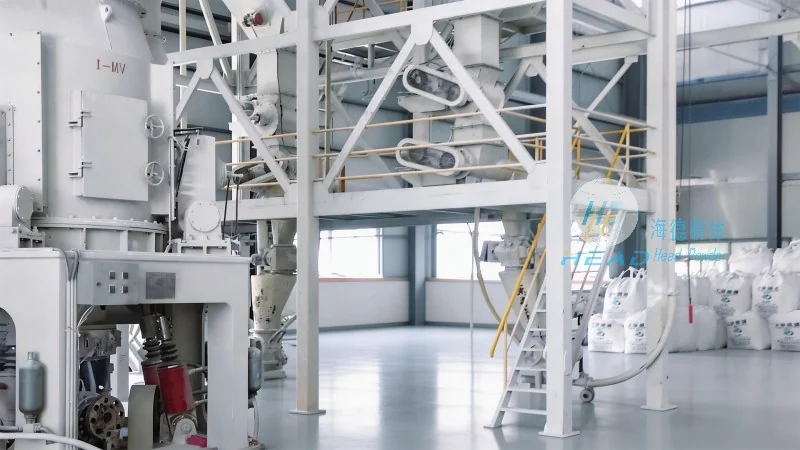
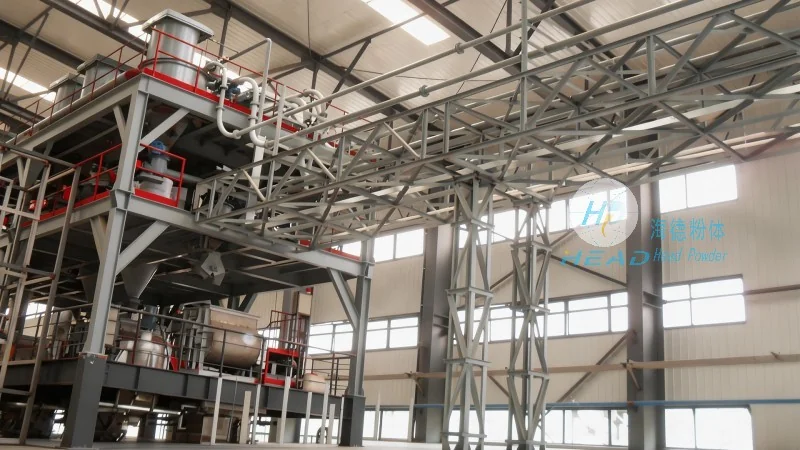
What is a Powder Bin Pneumatic Conveying System?
A powder bin pneumatic conveying system is a device that uses compressed air or gas as a driving force to transport powder materials from one location to another. It typically consists of components such as a powder bin, conveying pipelines, a gas source system, control valves, and a receiving device. The powder bin serves as the core storage unit, temporarily holding the material to be conveyed and ensuring continuous and stable material supply. Through pneumatic transport, the system achieves contactless and pollution-free material handling, making it suitable for industries with high hygiene requirements, such as food, pharmaceuticals, and chemicals.
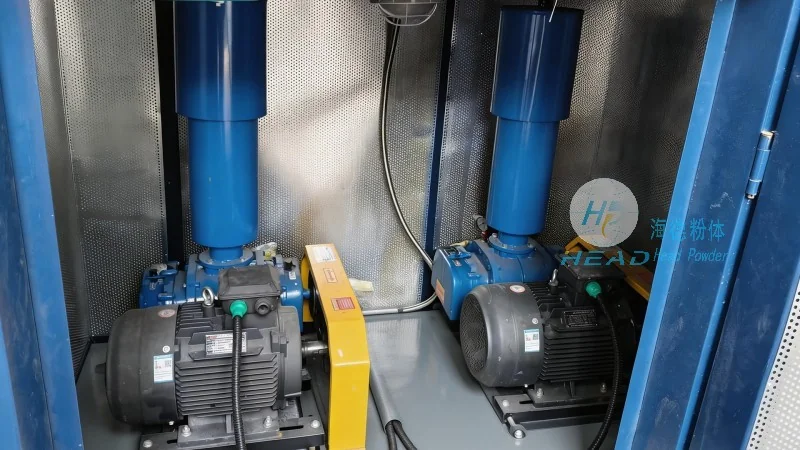
Design Principles of a Powder Bin Pneumatic Conveying System
The design principles of a powder bin pneumatic conveying system are based on fluid mechanics and the fundamental theory of material transport. The system operates by mixing powder materials with conveying gas to form a gas-solid two-phase flow, utilizing the kinetic energy of the gas to move the material along the pipelines. Its core design encompasses several key aspects:
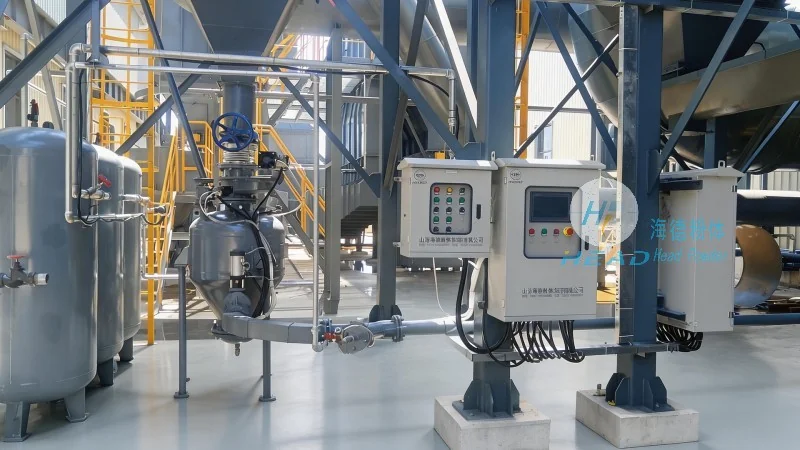
- Gas Source System Design: The gas source system provides the compressed air or gas required for transport, typically including air compressors, filters, and dryers. The pressure and flow rate of the gas source must be precisely calculated based on the material's properties, conveying distance, and transport volume to ensure efficiency and stability.
- Powder Bin Structure Design: The design of the powder bin directly impacts material flowability, transport continuity, and system safety. A well-designed bin structure (e.g., conical bottom, agitator, or gasification device) can effectively prevent material caking and blockages, ensuring smooth discharge from the bin's bottom. Additionally, the bin's dimensions and capacity need to be optimized according to production needs, balancing transport efficiency and material storage capability.
- Conveying Pipeline and Valve Design: The material of the conveying pipelines, their inner diameter, and length are critical to transport performance. They are typically made of corrosion-resistant and wear-resistant materials (such as stainless steel, plastic, or special alloys) to accommodate different material chemistries. The layout and design of bends aim to minimize resistance and enhance transport efficiency. Control valves (like butterfly or ball valves) are used to regulate gas flow and pressure, enabling start/stop control and flow rate adjustment of the material.
- Application of Gas-Solid Two-Phase Flow Theory: System design is based on gas-solid two-phase flow theory, where the gas-solid ratio (the volume ratio of gas to material) is controlled to optimize transport performance. An appropriate gas-solid ratio ensures the material remains suspended in the pipelines, preventing blockages while reducing energy consumption. The design process also considers the material's density, particle size, and flowability, with experimental or simulation methods used to determine the optimal gas-solid ratio and transport parameters.
HeadPowder Engineering Company's Professional Solutions
Shandong HeadPowder Engineering Co., Ltd. (referred to as HeadPowder) is a professional company specializing in powder engineering technology, headquartered in Shandong, China. Since its establishment, the company has been committed to providing high-quality pneumatic conveying system solutions to global clients. HeadPowder leverages its rich industry experience and advanced technical capabilities to customize powder bin pneumatic conveying systems for clients across different industries, meeting their specific production needs. The company's team consists of experienced engineers and technical experts who deeply understand the properties of powder materials and the principles of pneumatic transport, offering one-stop services from system design, equipment manufacturing to installation and commissioning. HeadPowder's design team formulates the optimal system solution based on the client's material type, conveying distance, production scale, and site environment, ensuring efficient operation and long-term stability of the system. The company emphasizes technological innovation, continuously introducing and developing new transport technologies to adapt to evolving market demands. Whether in the food, pharmaceutical, chemical, or other industries, HeadPowder can provide reliable and efficient powder transport solutions, helping clients enhance production efficiency and reduce operational costs.