

What is the lithium battery positive electrode material material handling system equipment? What is
For companies operating in the lithium battery sector, the efficient and safe management of positive electrode materials is a pivotal aspect of production. The lithium battery positive electrode material material handling system equipment represents a specialized solution engineered to oversee the movement of these materials from raw material storage to the production line. This system is indispensable for ensuring consistent product quality, boosting overall production efficiency, and maintaining a secure working environment throughout the manufacturing process.
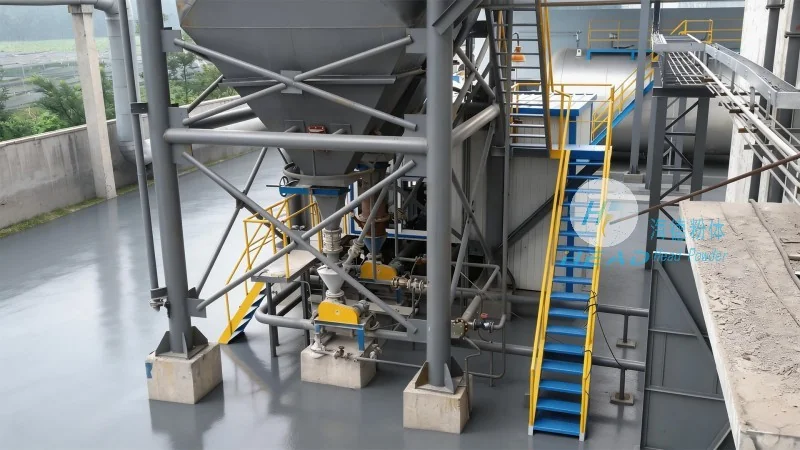
Key Components and Functional Integration
The lithium battery positive electrode material handling system typically comprises several core components that collaborate seamlessly to facilitate material transport. These components may include bulk material feeders, conveyor systems, pneumatic conveying equipment, and automated storage and retrieval systems. Each component is meticulously selected and integrated to align with the specific characteristics of the materials being handled, such as particle size, moisture content, and bulk density, as well as the production volume and throughput requirements of the facility.
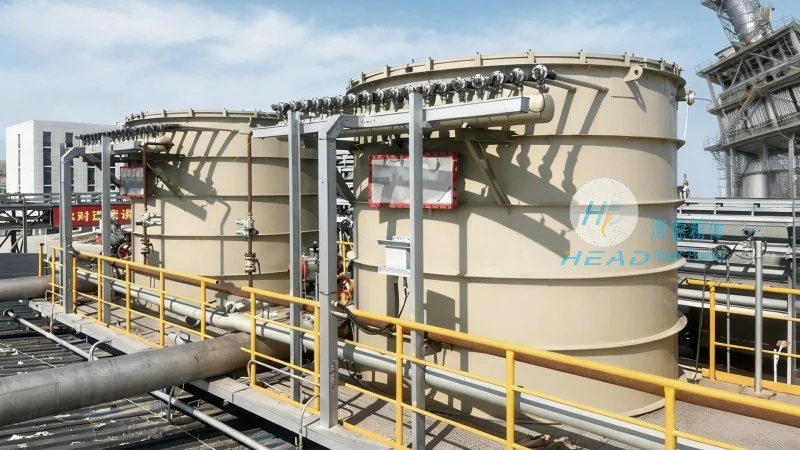
Design Principles and Operational Mechanisms
The design of the lithium battery positive electrode material handling system is grounded in several fundamental principles aimed at optimizing performance and reliability. A primary principle is the minimization of material loss and contamination during transport. This is achieved through the implementation of sealed systems, precise sealing of equipment, and the incorporation of filtration and cleaning processes to maintain material purity. Another critical principle is the optimization of energy consumption and operational efficiency. The system is engineered to operate with minimal power input while sustaining high throughput rates, thereby reducing operational costs and environmental impact. Additionally, the design emphasizes flexibility and adaptability to accommodate changes in production processes or material specifications without significant modifications.
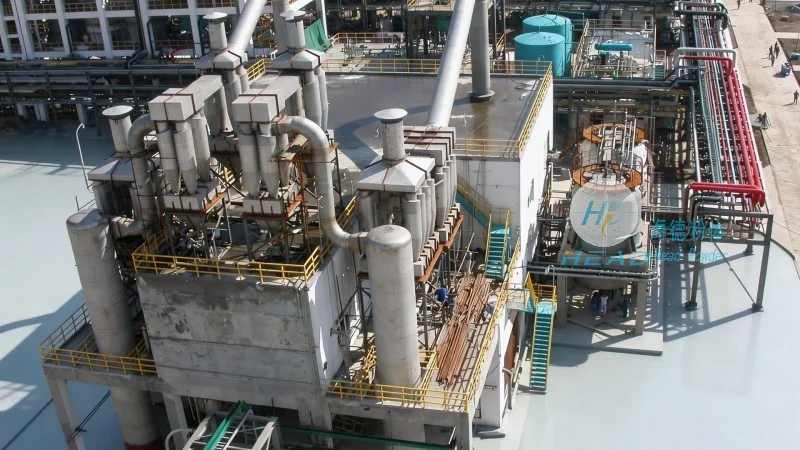
Role of Shandong HeadPowder Engineering Co., Ltd.
Shandong HeadPowder Engineering Co., Ltd., commonly known as HeadPowder, is a leading provider specializing in the design, manufacturing, and integration of advanced material handling systems for lithium battery production. With decades of industry experience and a deep understanding of the technical and operational demands of the sector, HeadPowder offers customized solutions tailored to meet the unique challenges faced by manufacturers. The company's expertise encompasses the development of robust, reliable, and efficient systems that adhere to the highest standards of quality, safety, and performance. HeadPowder's commitment to innovation and customer-centric approach ensures that their systems are not only functional but also scalable and adaptable to evolving industry needs.
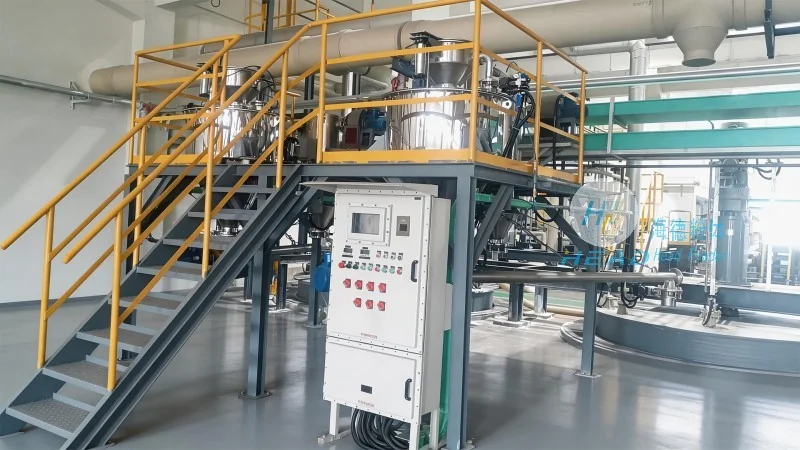
Benefits of Implementing a Material Handling System
Adopting a lithium battery positive electrode material handling system equipment delivers a range of significant benefits to the production workflow. Firstly, it enhances operational efficiency by automating the material transport process, thereby reducing the need for manual handling and minimizing downtime associated with material transfer. Secondly, it elevates product quality by ensuring consistent material flow and minimizing the risk of contamination or degradation, which is crucial for maintaining the performance and longevity of lithium battery cells. Thirdly, it enhances workplace safety by eliminating manual handling of potentially hazardous materials and reducing the risk of accidents, such as dust explosions or material spills. Furthermore, the system can help to reduce operational costs by optimizing energy consumption, minimizing material waste, and streamlining production processes. These benefits collectively contribute to improved competitiveness and profitability for manufacturers in the lithium battery industry.