

What is a Sorghum Residue Material Conveying System Equipment? What are its Design Principles?
For industrial operations involved in the processing of sorghum, the efficient handling of residue materials is crucial. A specialized system designed for conveying sorghum residue is essential to maintain operational efficiency and ensure safety. This equipment, often referred to as a sorghum residue material conveying system, plays a vital role in the overall workflow of sorghum processing facilities. The system is engineered to handle the unique characteristics of sorghum residue, which can vary in moisture content, particle size, and bulk density. By understanding the components and design principles of such a system, users can better appreciate its importance in modern industrial applications.
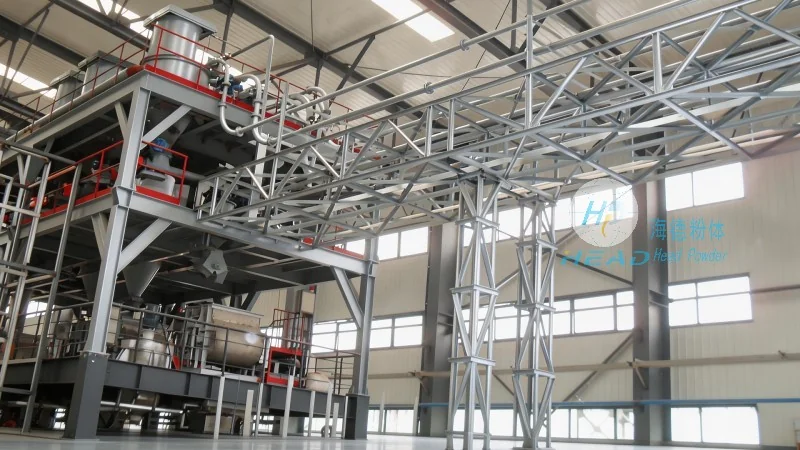
Key Components of the Sorghum Residue Material Conveying System
The sorghum residue material conveying system typically consists of several key components that work in tandem to ensure effective material transport. These components include a hopper for material storage, a conveyor mechanism (such as a screw conveyor or belt conveyor), a control system for operation, and a discharge outlet for the processed residue. The hopper is designed to hold a sufficient quantity of sorghum residue, allowing for continuous feeding into the conveyor system. The conveyor mechanism is the core of the system, responsible for moving the residue from the hopper to the discharge point. Different types of conveyors may be used depending on the specific characteristics of the residue and the operational requirements. For example, a screw conveyor is suitable for handling dry, free-flowing residue, while a belt conveyor may be preferred for wetter or more abrasive materials. The control system ensures that the conveyor operates smoothly and safely, with features like variable speed control and overload protection. The discharge outlet is designed to direct the residue to the next stage of processing or storage, minimizing spillage and maintaining a clean working environment.
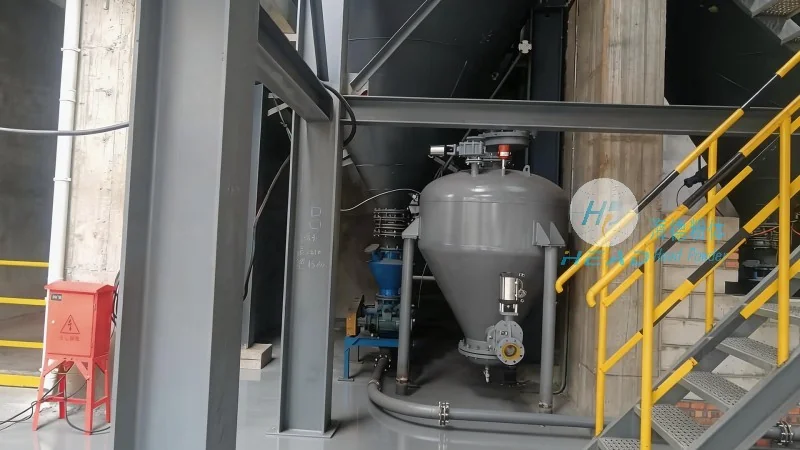
Design Principles for Efficient Material Handling
The design of a sorghum residue material conveying system is guided by several key principles aimed at maximizing efficiency and reliability. One of the primary principles is the consideration of material characteristics. Sorghum residue can vary significantly in terms of its physical properties, such as moisture content, particle size distribution, and bulk density. The system must be designed to accommodate these variations to prevent blockages or damage to the equipment. For instance, if the residue is prone to clumping or has high moisture content, the conveyor may need to incorporate features like a pre-drying section or a de-agglomerating mechanism. Another important principle is the optimization of energy consumption. The system should be engineered to operate with minimal energy input while maintaining the required throughput. This can be achieved through the selection of appropriate conveyor types, the use of efficient motor drives, and the implementation of energy-saving control strategies. Additionally, the design must prioritize safety and durability. The system should be constructed from materials that are resistant to corrosion and wear, and it should include safety features such as emergency stop buttons and protective guards. The overall layout of the system should also be designed to minimize the risk of accidents and facilitate maintenance and repairs.
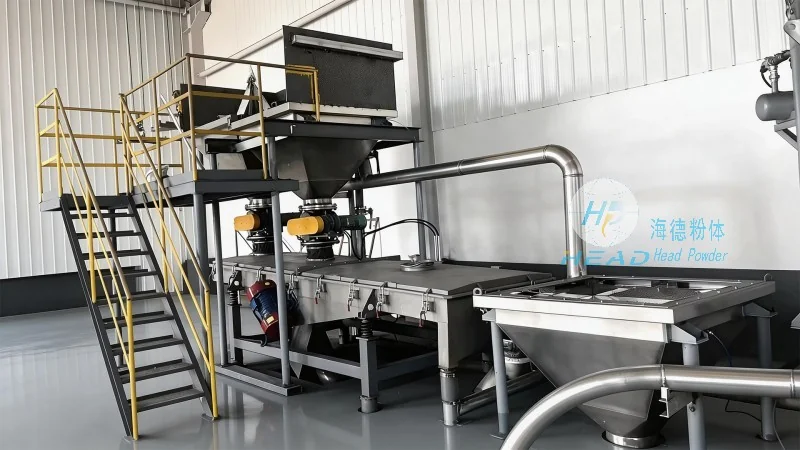
Applications and Benefits of the Conveying System
The sorghum residue material conveying system is widely used in various industrial applications, particularly in the food and beverage industry. Its primary benefit is the ability to handle sorghum residue efficiently, reducing the time and labor required for manual handling. This not only improves productivity but also enhances workplace safety by minimizing the risk of injuries from handling heavy or abrasive materials. The system also helps in maintaining a clean and organized processing environment, as it prevents residue from spilling or accumulating in work areas. Furthermore, the consistent and controlled transport of residue ensures that the next processing steps, such as drying or storage, are carried out effectively. This leads to better quality control and higher product yields. The system is also adaptable to different production scales, from small-scale operations to large industrial facilities. Its modular design allows for easy expansion or modification to meet changing production needs. Overall, the sorghum residue material conveying system is a critical piece of equipment that enhances the operational efficiency and safety of sorghum processing facilities.