

What is a Gravity Dust Removal Material Handling System? What is its Design Principle?
Gravity dust removal material handling systems are specialized equipment designed to efficiently transport and process bulk materials while simultaneously removing dust and particulate matter from the process stream. These systems are widely used in various industrial applications, including power generation, cement production, and chemical processing, where the handling of dusty materials is a common requirement. The primary goal of such systems is to ensure safe and efficient material transport while maintaining air quality and compliance with environmental regulations.
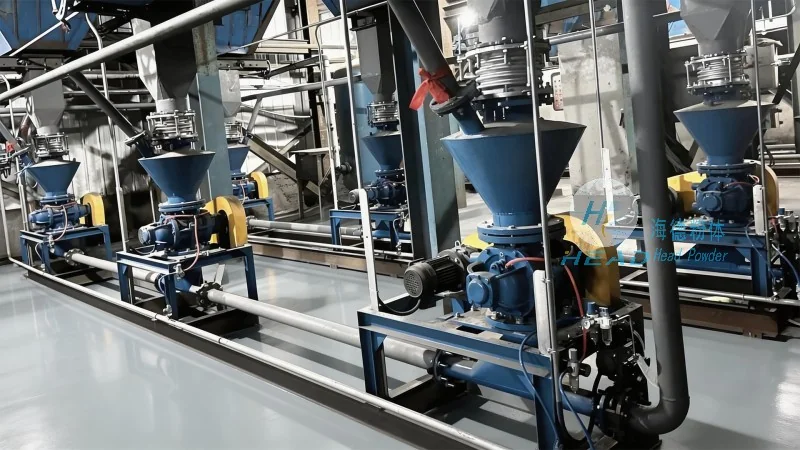
Key Components and Design Principles
The design of a gravity dust removal material handling system typically involves several key components that work in tandem to achieve optimal performance. The core elements include a hopper or feeder for material input, a conveying section that utilizes gravity to move the material, and a dust collection system to capture and remove airborne particles. The system's design principle revolves around the natural flow of materials under gravity, minimizing the need for external power sources for the conveying process, which contributes to energy efficiency. The hopper is often designed with a specific geometry to control the flow rate and prevent material bridging or clogging. The conveying section may feature inclined chutes or troughs that allow the material to slide or roll under the influence of gravity, reducing friction and wear compared to mechanical conveyors. The dust collection system, usually integrated with the conveying path, employs filters or cyclones to capture fine particles, ensuring that the exhaust air is clean and meets regulatory standards.
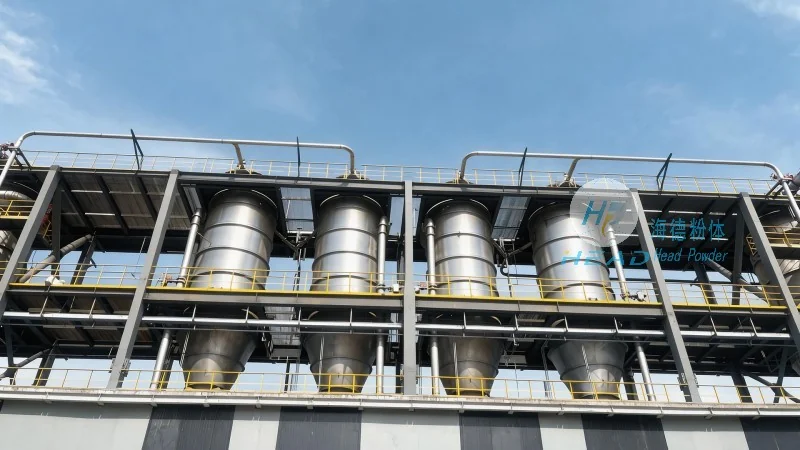
How the System Works: A Step-by-Step Overview
When material is introduced into the hopper, it falls under gravity into the conveying section. The material's density and the slope of the conveying path determine the speed of transport. As the material moves, any dust or fine particles are entrained in the air stream and directed towards the dust collection unit. The dust collection system then separates these particles from the air, either through filtration or centrifugal separation, and collects them in a hopper or container for disposal. The clean air is then released back into the environment or recirculated if necessary. This process is continuous, allowing for a steady flow of material while maintaining dust control. The system's design ensures that the material is handled gently, preserving its integrity and preventing degradation, which is crucial for materials like cement or coal that are sensitive to handling conditions.
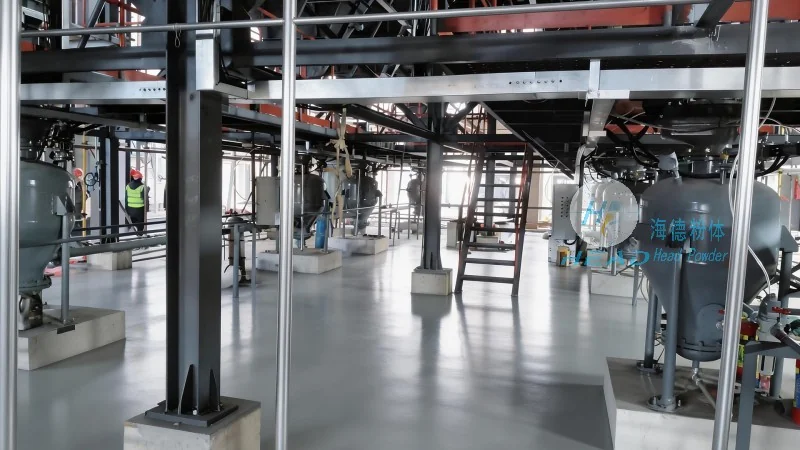
Benefits and Applications
Gravity dust removal material handling systems offer several advantages over traditional mechanical conveyors. The primary benefit is energy efficiency, as the conveying action relies on gravity rather than motors or pumps. This reduces operational costs and energy consumption, making the system more environmentally friendly. Additionally, the absence of moving parts in the conveying section minimizes maintenance requirements and extends the system's lifespan. The system is also effective in handling abrasive materials without causing excessive wear, as the material is moved through smooth, inclined surfaces. These systems are particularly suitable for applications where the material is prone to generating dust, such as in coal handling, where dust control is essential for worker safety and environmental compliance. In power plants, these systems are used to transport fly ash from boilers to storage facilities, ensuring that the process is both efficient and dust-free. The design flexibility of gravity dust removal systems allows them to be adapted to various material types and process requirements, making them a versatile solution in industrial material handling.
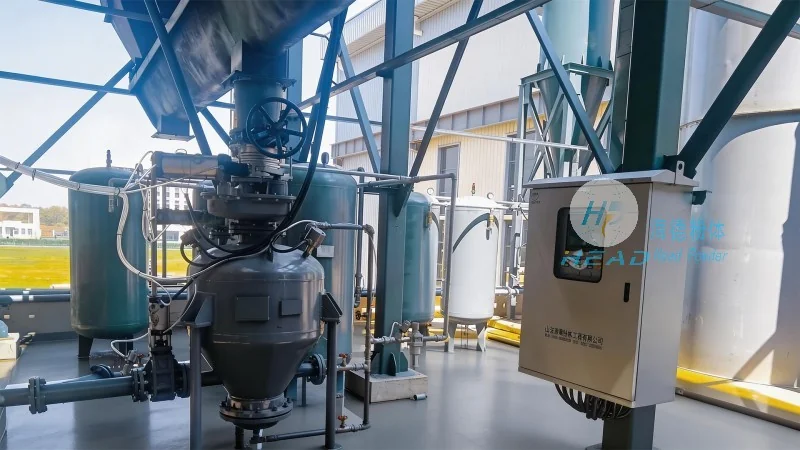
About Shandong HeadPowder Engineering Co., Ltd.
Shandong HeadPowder Engineering Co., Ltd., commonly known as HeadPowder, is a leading manufacturer and supplier of advanced material handling systems, including gravity dust removal equipment. With a strong focus on innovation and quality, the company has established itself as a trusted partner in the industry, providing customized solutions tailored to the specific needs of its clients. HeadPowder's expertise lies in the design and manufacturing of efficient, reliable, and environmentally friendly material handling systems that meet the highest standards of performance and safety. The company's products are widely recognized for their durability, energy efficiency, and ability to handle a wide range of materials, from fine powders to bulk solids. HeadPowder's commitment to customer satisfaction and technical excellence has made it a preferred choice for businesses seeking to improve their material handling processes while adhering to environmental regulations. The company's headquarters is located in Shandong, China, where it operates a state-of-the-art manufacturing facility equipped with advanced technology and skilled personnel to ensure the highest quality production.