

What is Expanded Clay Aggregate Material Handling Equipment? And What Are Its Design Principles?
Expanded clay aggregate material handling equipment, commonly known as expanded clay aggregate handling systems, plays a crucial role in the efficient transportation and processing of expanded clay aggregate (ECA) materials. These systems are engineered to handle the unique physical and chemical properties of ECA, which are characterized by their lightweight, porous structure and high thermal conductivity. The equipment is designed to ensure safe, reliable, and efficient material movement within industrial settings, such as construction material production facilities, concrete mixing plants, and recycling operations.
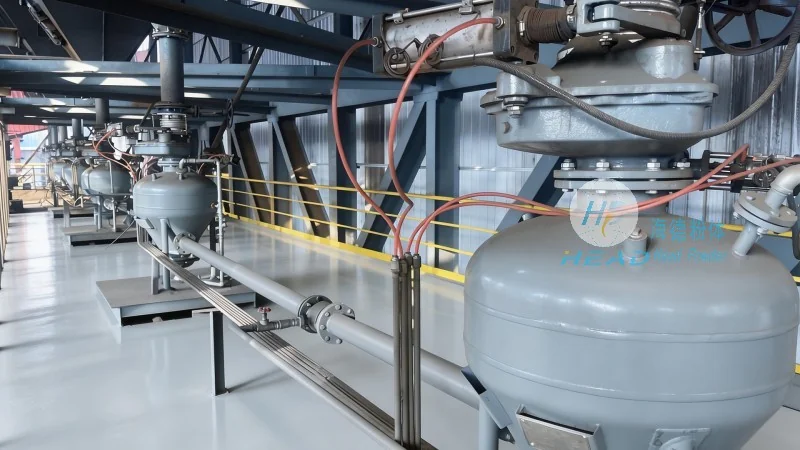
Key Components and Design Principles of Expanded Clay Aggregate Material Handling Equipment
The design of expanded clay aggregate material handling equipment is centered on several critical components and principles that address the specific demands of ECA. These components include conveyor systems, feeding mechanisms, and control units, all tailored to the material's characteristics. The equipment is typically constructed with durable materials that can withstand the abrasive nature of ECA, ensuring long-term operational reliability. For instance, belt conveyors are often used to transport ECA over long distances, while bucket elevators are employed for vertical material movement. The feeding mechanisms, such as screw conveyors or vibratory feeders, are designed to handle the material's flow characteristics, preventing blockages and ensuring consistent material delivery.

How Expanded Clay Aggregate Material Handling Equipment Works
The operation of expanded clay aggregate material handling equipment involves a systematic process that begins with material intake and ends with material discharge. The system starts with a feeding hopper that collects ECA from storage silos or raw material bins. The feeding mechanism then transports the material to the primary conveyor system. As the material moves through the conveyor, it may undergo processing steps such as screening or mixing, depending on the application. The control units monitor the system's performance, adjusting speed and flow rates to maintain optimal operation. The discharge point is typically a receiving hopper or a direct outlet to the next processing stage, ensuring seamless integration into the overall production line.
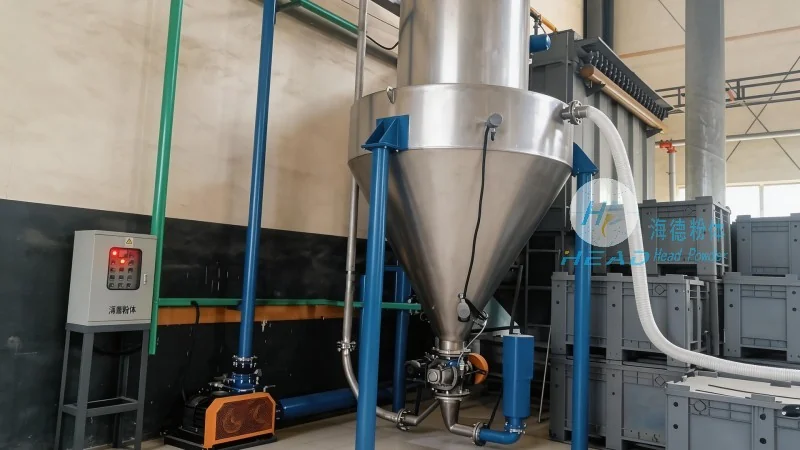
Advantages of Using Expanded Clay Aggregate Material Handling Equipment
Implementing expanded clay aggregate material handling equipment offers several advantages for industrial operations. Firstly, these systems enhance material handling efficiency by reducing manual labor and minimizing material loss. The automated design ensures consistent material flow, which is crucial for maintaining production quality. Secondly, the equipment is designed for durability and low maintenance, reducing downtime and operational costs. The use of advanced materials and engineering techniques minimizes wear and tear, extending the equipment's service life. Additionally, the systems are scalable, allowing businesses to expand their operations without significant changes to the material handling infrastructure. This flexibility makes them suitable for both small-scale and large-scale production environments.
Applications of Expanded Clay Aggregate Material Handling Equipment
Expanded clay aggregate material handling equipment is widely used in various industrial applications. In the construction industry, these systems are essential for transporting ECA to concrete mixing plants, where it is used as a lightweight aggregate in concrete production. The equipment ensures that the ECA is delivered in the correct proportions, contributing to the production of high-quality, lightweight concrete. In recycling operations, the systems help in sorting and transporting ECA from waste streams, facilitating the recovery and reuse of the material. Additionally, in manufacturing facilities that produce ECA-based products, such as insulation materials or lightweight building components, the equipment is used to move the material between processing stages, ensuring a smooth production flow.
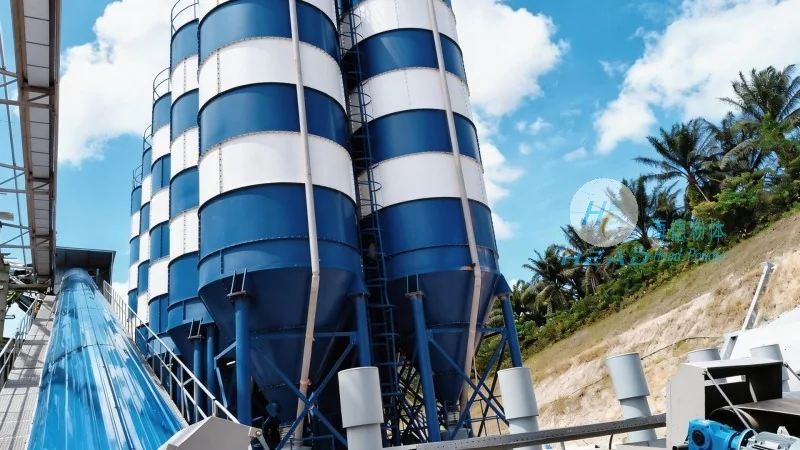
Customization and Integration with Existing Systems
Shandong HeadPowder Engineering Co., Ltd., a leading manufacturer of material handling equipment, offers customized solutions tailored to the specific needs of clients. The company, commonly known as headpowder, provides equipment that can be integrated with existing production lines, minimizing disruption during installation. The design team at headpowder works closely with clients to understand their operational requirements, ensuring that the equipment meets their unique specifications. Customization options include different conveyor types, feeding mechanisms, and control systems, allowing for flexibility in handling various ECA compositions and production volumes. The company's commitment to quality and innovation ensures that clients receive reliable and efficient equipment that enhances their overall operational performance.